Defense stocks have spent the last two years trading on fear, geopolitics, and vague promises of higher military budgets. What is changing now is more concrete and more tradable: the market is moving from emergency rhetoric to exportable platforms, cross-border industrial tie-ups, and real production capacity. That is a healthier signal for traders because factories and order books usually matter more than speeches once the initial panic bid fades.
Japan is part of that shift. Reuters reported on April 21 that Tokyo unveiled its biggest defence-export overhaul in decades, scrapping restrictions on overseas arms sales and opening the way for exports of warships, missiles, and other weapons. The same Reuters report noted that wars in Ukraine and the Middle East are straining U.S. weapons production, while allies in Europe and Asia are looking to diversify suppliers. That matters because Japan is no longer just a strategic ally in this story. It is trying to become a seller.
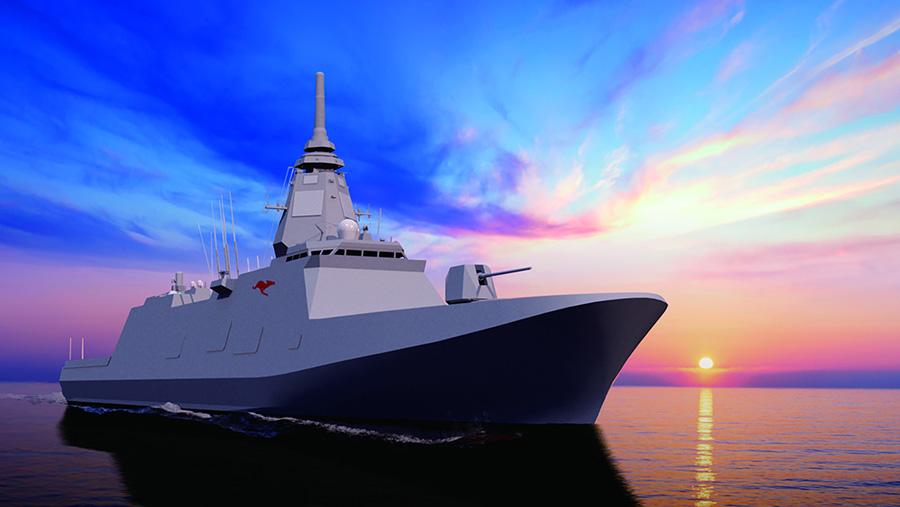
The most visible proof came from Mitsubishi Heavy Industries. On April 18, MHI said Australia and MHI had concluded a contract for the construction of three upgraded Mogami-class frigates, with construction beginning at Nagasaki and the first vessel due by December 2029. For traders, that is the key distinction: this is not abstract ‘defense cooperation.’ It is an export program with yards, suppliers, milestones, and a schedule.
South Korea is playing the same game from a different starting point. Reuters reported on May 31 that Seoul and Tokyo discussed a military-logistics support agreement that could let the two U.S. allies share fuel, food, and ammunition, while also discussing a joint humanitarian search-and-rescue exercise in June. Korea’s manufacturers are already monetizing the broader shift. Hanwha Aerospace said on February 2 that it secured its first Chunmoo multiple rocket launcher contract with Norway, and on April 10 it announced a follow-on K9 howitzer contract with Finland. Korea is not waiting for a theory of rearmament. It is booking orders.
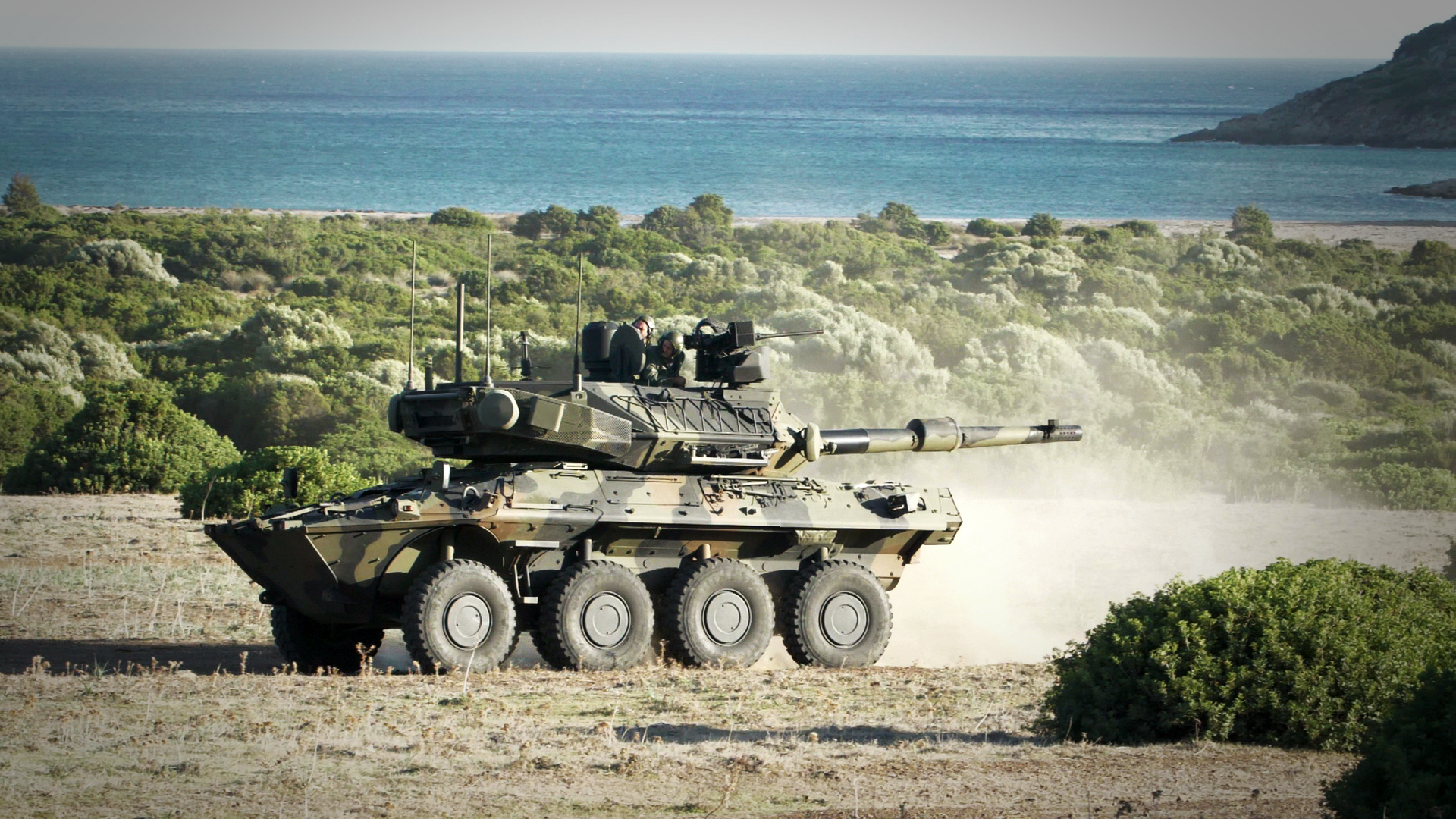
Europe is no longer just the demand side either. Leonardo said on March 18 that it completed the acquisition of Iveco Group’s defence business for a transaction valued at 1.7 billion euros, strengthening its position in the European land-defence sector. That reads like an important market clue. Europe knows procurement alone is not enough; it wants domestic scale, integrated platforms, and more bargaining power inside its own supply chain.
The U.S. angle is less about new rhetoric and more about industrial depth. On June 2, American Rheinmetall said it was investing 41 million dollars across six U.S. manufacturing facilities to expand defense production capacity and support programs including combat vehicles, tactical trucks, and missile-related work. Put together, the cross-market signal is clear: the defense trade is broadening from a war-premium trade into an industrial-capacity trade stretching across the United States, Europe, Japan, and Korea.
My cautious view is that this theme still has room, but traders should be selective. The easy phase, where any stock linked to security policy got repriced higher, is less interesting now. The better setups are in companies that can actually export, manufacture, integrate systems, and survive long procurement cycles. Defense stories are sticky, but they are also vulnerable to politics, election shifts, delivery delays, and margin pressure if factories scale slower than investors expect.
Risk notice: This article is for market commentary only, not personal investment advice. Defense, aerospace, shipbuilding, and industrial stocks can move sharply with government procurement decisions, export approvals, geopolitical escalation, currency swings, and execution risk.
Sources:
Reuters on Japan’s April 21 defence-export overhaul
Mitsubishi Heavy Industries on the Australia frigate contract
Reuters on the May 31 Korea-Japan logistics talks
Hanwha Aerospace on its Norway Chunmoo contract
Hanwha Aerospace on its Finland K9 follow-on contract
Leonardo on the Iveco Defence acquisition
American Rheinmetall on its June 2 U.S. manufacturing investment
原创文章,作者:financial transaction,如若转载,请注明出处:https://www.fanbi.net/archives/338