

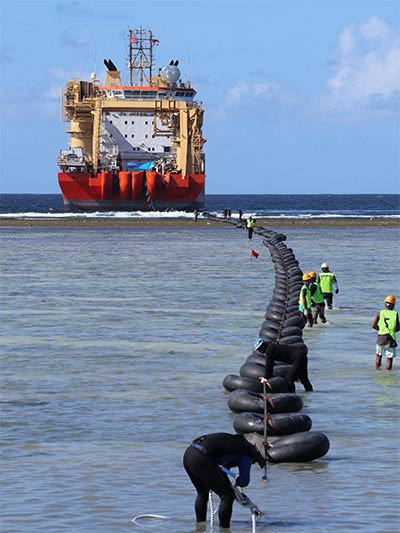
One of the quieter but more tradable themes this week is happening under the sea. The June 3 U.S. FCC move to tighten oversight of submarine communications cables is not just a regulatory footnote. It tells the market that cross-border data routes are being treated more like strategic infrastructure and less like invisible plumbing. Once that framing changes, investors stop looking only at hyperscalers and start looking at the cable, telecom and industrial names that actually build the routes.
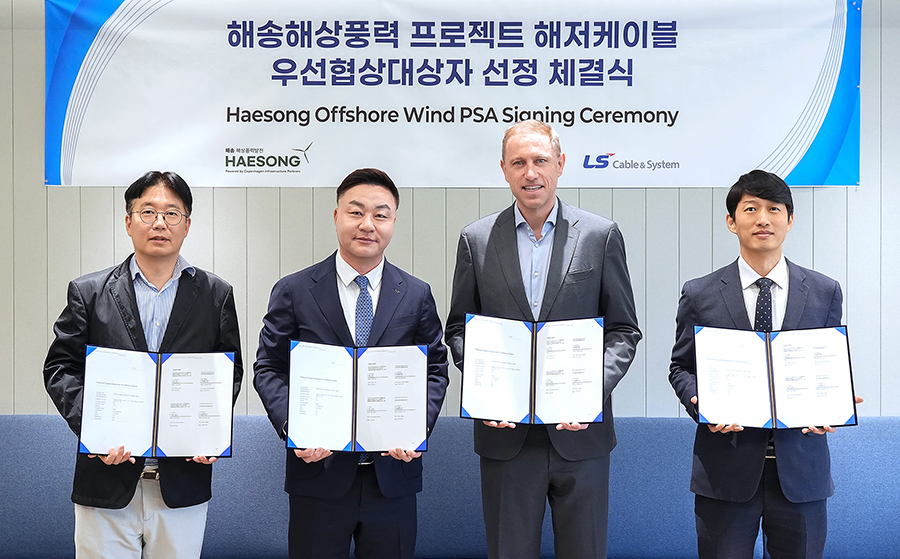
Why does that matter now? Because the policy signals are lining up across developed markets. In the United States, Reuters reported on June 3 that the FCC wants licensing for critical terminal equipment and faster approvals for trusted operators. In Europe, operators are still adding new paths rather than assuming old ones are enough: Malta’s GO launched an EU-funded upgrade of its GO-1 submarine cable on June 3, and Orange’s ViaTunisia route on the Medusa system went live on June 4, explicitly selling resilience and route diversity. Japan’s signal came earlier but fits the same tape: NEC said on May 15 that it completed the East Micronesia Cable System, reinforcing its role as a strategic cable supplier. South Korea’s LS Cable and LS Marine Solutions added another piece on May 19 by winning preferred-bidder status for a major offshore-wind subsea cable project, a reminder that seabed infrastructure now spans both data security and power security.
The cross-market message is that trusted connectivity is becoming a capex category of its own. This is not just about one telecom route or one national-security headline. It is about governments and operators paying for redundancy, domestic supply-chain control and politically acceptable vendors. That can support a broader rerating for cable manufacturers, marine engineering names, network-equipment suppliers and selected telecom operators that own strategic landing points or backbone assets. The market has spent two years obsessing over AI chips; it is starting to realize that AI, cloud finance, algorithmic trading and real-time risk systems still depend on physical routes that can be sabotaged, delayed or politically screened.
My cautious view is that this theme is real, but it will not trade like a straight line. Some investors will overpay for any stock that says “critical infrastructure” without checking backlog quality, contract economics or project concentration. The better approach is to separate durable policy-backed demand from promotional storytelling. NEC and LS look more interesting to me as execution stories than as pure narrative trades, while telecom operators with real landing-point advantage may matter more than flashier software names if cable security keeps moving up the agenda.
That is the key shift. The seabed is back on the tape, not because it is fashionable, but because the market is being forced to remember that digital finance still rests on hard infrastructure.
Risk notice: This article is for market commentary only and is not investment advice. Telecom, infrastructure and industrial stocks can be volatile, policy support may change, project delays are common, and geopolitics can distort both valuations and execution.
Sources:
Reuters via Investing.com: U.S. FCC plans tighter rules for undersea internet cables
GO Malta: EU-funded upgrade of the GO-1 submarine cable
Developing Telecoms: ViaTunisia segment of Medusa subsea cable is now live
NEC: Completion of the East Micronesia Cable System
LS Cable & LS Marine Solutions: preferred bidder status for Haesong offshore-wind subsea cable work
原创文章,作者:financial transaction,如若转载,请注明出处:https://www.fanbi.net/archives/312

