Europe’s late-June heatwave is starting to matter as a market story, not just as a climate headline. Reuters reported on June 26 that the heat was spreading east and south across Europe, with authorities reacting to road damage, event cancellations, and public-health stress. The Guardian then reported on June 23 that the same weather shock was driving electricity prices to new highs as millions turned on air conditioning while wind output weakened. That combination matters for traders because it shifts cooling from a vague summer theme into a real execution trade tied to equipment, installation capacity, and power demand.
The reason this is tradable is simple: when heat becomes persistent rather than episodic, investors stop looking only at weather and start asking which listed companies can actually ship systems, capture retrofit demand, and protect margins if utilities and building owners rush to upgrade. This is where the developed-market cross signal gets interesting. Europe is the demand shock. Japan and Korea are key exporters of the equipment stack. The United States provides the commercial backlog and earnings evidence that HVAC demand was already strong before this heatwave hit.
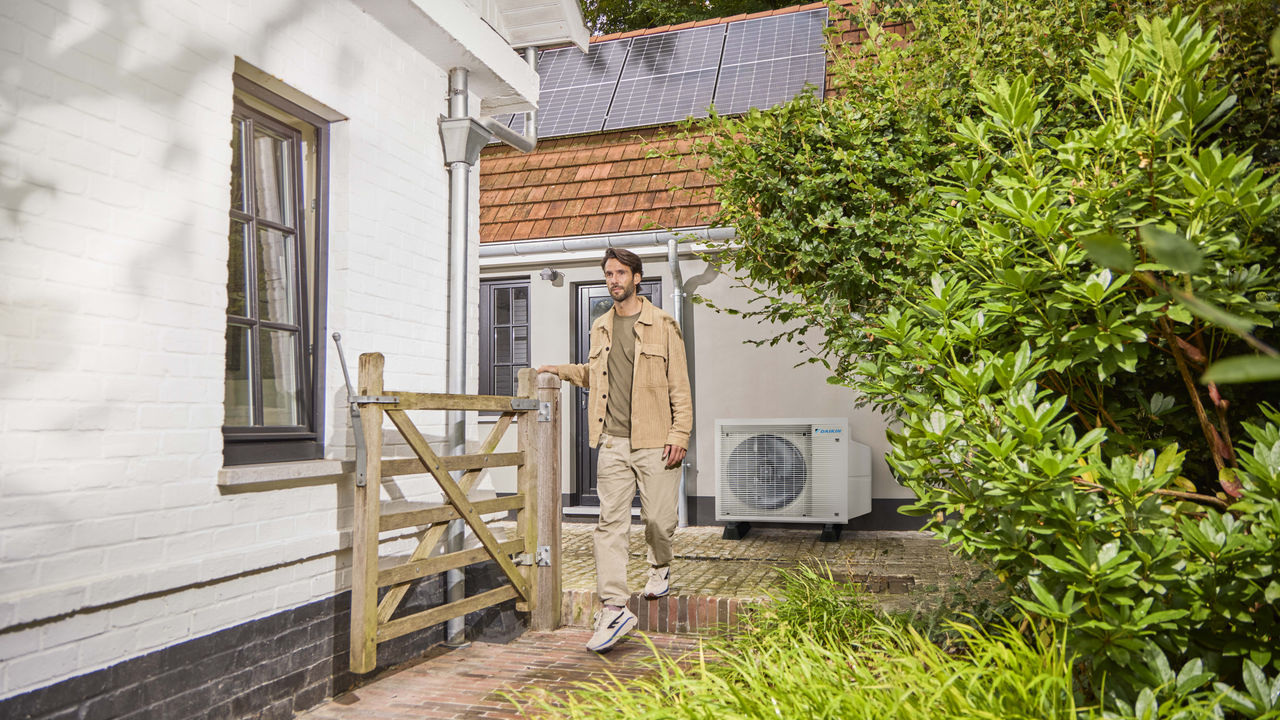
Daikin is one of the clearest Japan legs. In its X Series launch, Daikin Europe described a next-generation mixed heat-pump system that combines air-to-air cooling, hydraulic heating, and hot water in one setup. Traders care because that is exactly the kind of integrated product that benefits when customers stop treating climate control as a discretionary appliance purchase and start treating it as building infrastructure. If Europe keeps seeing hotter summers and more unstable power conditions, the market is likely to reward companies that can sell full-system solutions rather than just boxes.
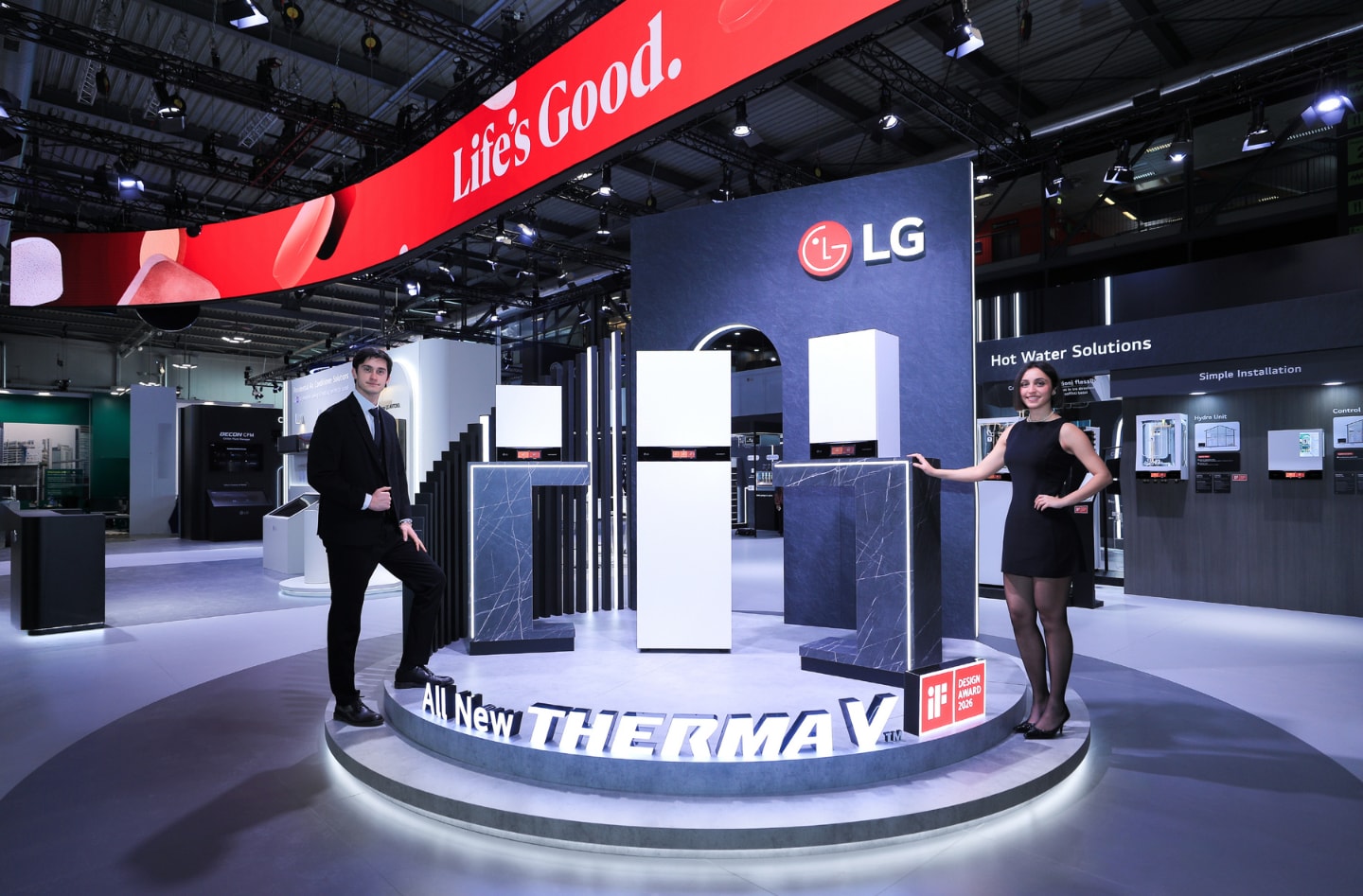
Korea’s HVAC exporters fit the same narrative. LG Electronics said at MCE 2026 that it was presenting a complete HVAC lineup tailored for the European market, covering residential, commercial, and smart-building needs. That is important because the current heatwave is not only about room air conditioners. It is also about who is positioned for broader building retrofits as Europe tries to cool more space without losing control of efficiency and operating costs. In other words, the weather headline can turn into an earnings-quality discussion for Korean hardware names with real overseas channel strength.
The U.S. leg is less about weather and more about proof of underlying demand. Trane Technologies said on April 30 that its first-quarter 2026 bookings were up 24%, led by roughly 40% growth in Americas Commercial HVAC, while backlog rose to a record $10.7 billion. That matters now because it suggests cooling and efficiency demand was already running hot before Europe gave the market a fresh reason to care. When a current macro trigger meets an industry that is already supply-constrained and booking-rich, traders tend to stop treating the move as a one-day heatwave trade.
My cautious view is that this can work as a second-half market theme if investors stay selective. The bullish case is obvious: persistent heat, higher power prices, and tighter commercial backlog can support a rerating in the better-positioned HVAC names. The risk is that weather trades cool off quickly, and valuations can outrun what one hot spell actually changes. The smarter read is not that every cooling stock suddenly becomes attractive. It is that climate volatility is making HVAC look less seasonal and more structural.
Sources
Reuters via TradingView: Europe on high alert as killer heat set to move east and south
The Guardian: Europe’s heatwave drives electricity prices to new highs as demand soars
Daikin Europe: Daikin introduces X Series
LG Electronics: Complete HVAC solution lineup tailored for the European market at MCE 2026
Trane Technologies: First-quarter 2026 results and commercial HVAC backlog
Risk notice: This article is for market commentary only, not personal investment advice. HVAC, power, industrial, and building-efficiency shares can move sharply on weather normalization, utility-price changes, project delays, margins, and broader equity-market sentiment.
原创文章,作者:financial transaction,如若转载,请注明出处:https://www.fanbi.net/archives/488