Copper is usually treated like a blunt macro instrument: if growth looks better, copper goes up, and if manufacturing looks soft, copper goes down. That shorthand is getting less useful. By late June 2026, the real story is that copper is being repriced by policy and processing geography, not only by demand. The U.S. tariff regime is pulling attention toward COMEX versus LME spreads, while Europe, Japan, and Korea are leaning harder into smelting quality, recycled feedstock, and supply-chain control.
The U.S. catalyst is concrete. In its June 1, 2026 proclamation adjusting tariffs on aluminum, steel, and copper, the White House kept tightening the Section 232 framework. Separately, the July 30, 2025 copper proclamation required an update by June 30, 2026 on refining capacity and the refined-copper market so the administration can decide whether broader phased duties on refined copper are warranted. ING noted in mid-June that the COMEX-LME spread widened again as that June 30 checkpoint approached. In other words, traders are not waiting for a final headline; they are already trading the possibility that the U.S. copper market becomes structurally more expensive than the rest of the world.
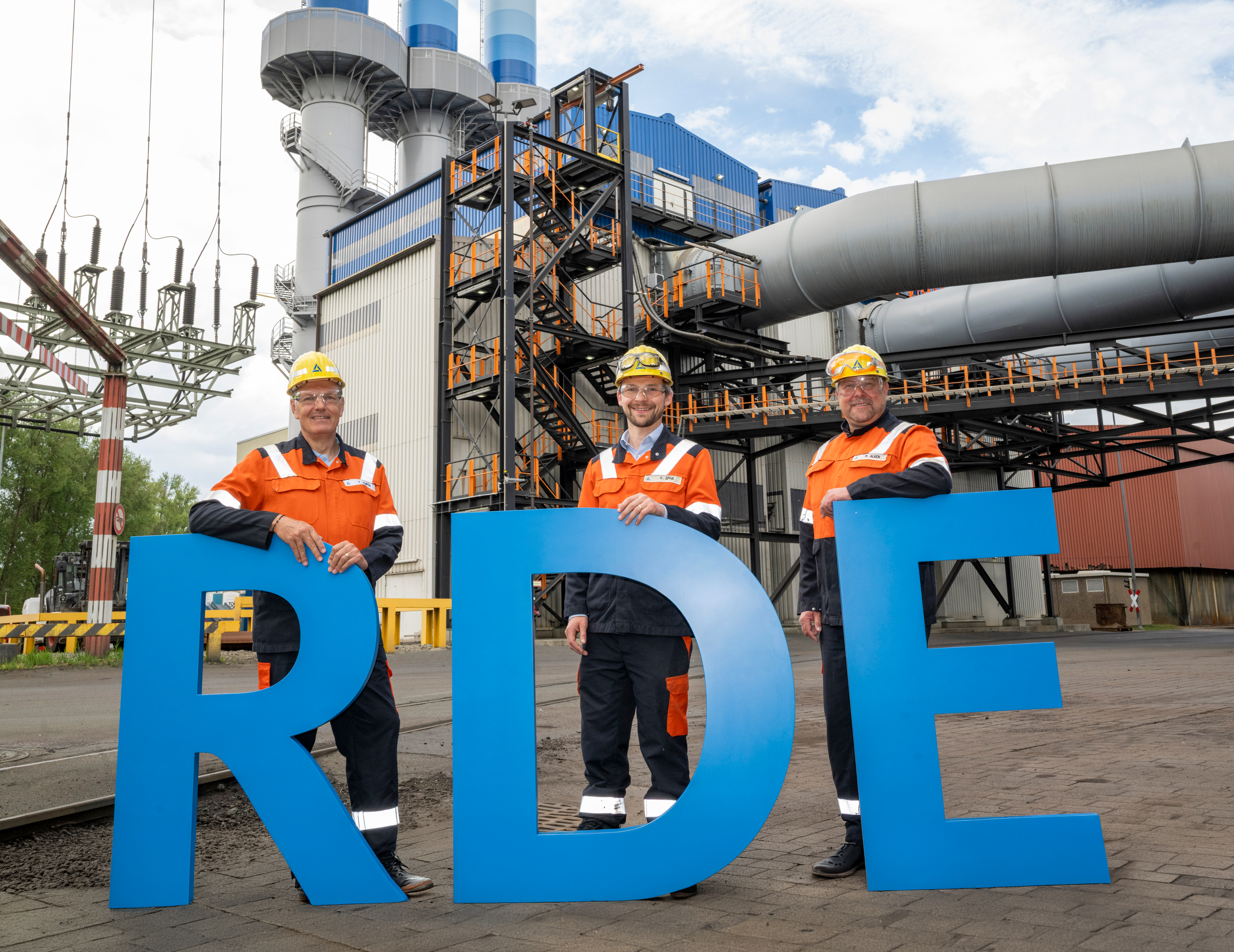
That matters because once tariff risk enters the metal, the winners and losers change. Miners are not the whole story anymore. Smelters, recyclers, scrap processors, and downstream fabricators all become part of the trade. Europe offers one of the clearest examples. Aurubis said on June 10 that it inaugurated the expansion stage of its reducing-diffuse-emissions system in Hamburg, calling it the world’s most powerful exhaust system in copper production. The market takeaway is not just environmental compliance. It is that European copper capacity is being defended through higher-quality, more resilient processing assets at a time when tariff fragmentation could reward reliable non-U.S. refined supply.
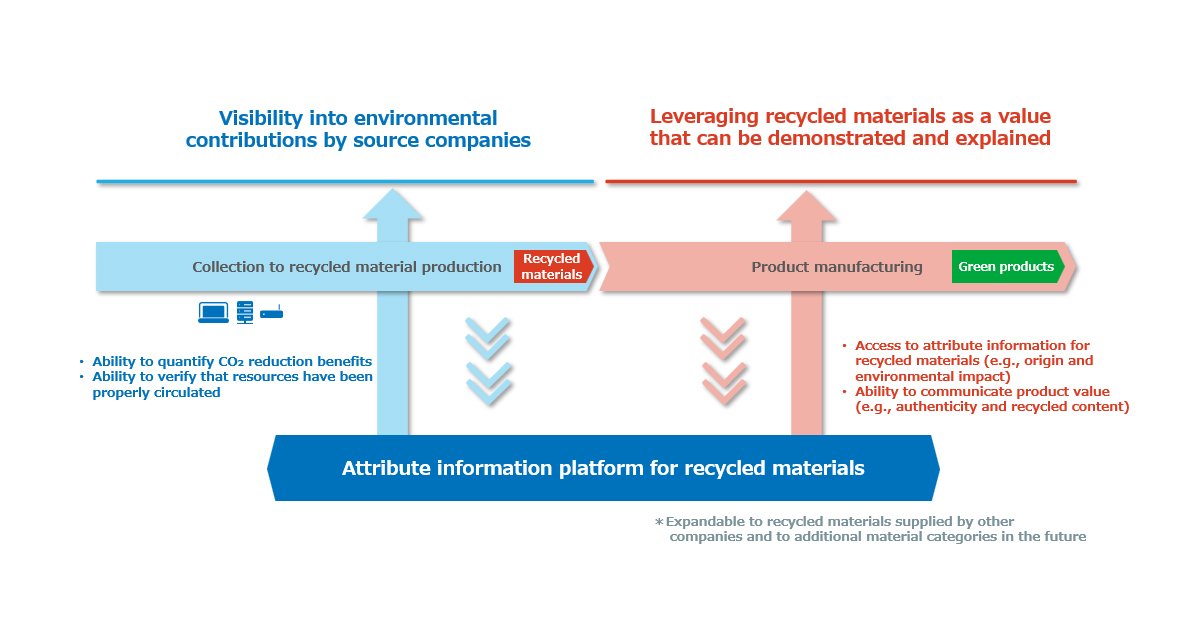
Japan’s signal is also shifting in the same direction. Mitsubishi Materials said on January 13 that it would launch a new Resource Circulation Division in Chicago to expand secondary smelting and scrap-based supply chains in the United States. Then on June 3, NTT and Mitsubishi Materials announced NTT Circurust, a venture designed to connect recycled-material supply with traceability and attribute data from end-of-life IT and telecom equipment. Japan’s government Circular Economy Action Plan, cited in that release, targets roughly 30% of domestically produced copper by 2030 from recycled sources. That is not a side story. It suggests Japan sees copper security as a recycling-and-information problem as much as a mining problem.
Korea fits the same picture even if the market talks about it less in English. LS MnM says it is increasing the usage of recycled raw materials, added copper-scrap processing capacity, and secured extra printed-circuit-board feedstock for recovery. That matters because if the U.S. market keeps paying a premium and global refined availability tightens, Korean operators with stronger scrap, e-waste, and by-product economics could hold up better than investors expect. In a fragmented copper market, flexibility in feedstock can matter almost as much as headline mine supply.
My cautious view is that copper is becoming a tariff-and-recycling trade before it becomes a simple demand boom again. The bullish case is obvious: policy risk can keep U.S. premiums elevated while better-positioned smelters and recyclers gain strategic value. The risk is just as obvious: if Washington stops short of harsher refined-copper duties, or if global manufacturing data weaken, a lot of this premium narrative can deflate fast. Traders should treat copper less like a single price and more like a split market with different regional winners.
Sources
The White House: Further Adjusting the Tariff Regimes for Imports of Aluminum, Steel, and Copper Into the United States
The White House: Adjusting Imports of Copper into the United States
ING Think: What’s next for US copper import tariffs?
Aurubis: Hamburg inaugurates world’s most powerful exhaust system in copper production
Mitsubishi Materials: Resource Circulation Division in the United States
Mitsubishi Materials and NTT: NTT Circurust resource-circulation venture
LS MnM: Circular-economy and recycled-raw-material overview
Risk notice: This article is for market commentary only, not personal investment advice. Copper, mining shares, smelters, recyclers, industrial equities, and related futures or derivatives can move sharply on tariff decisions, inventory shifts, manufacturing data, scrap availability, and liquidity conditions.
原创文章,作者:financial transaction,如若转载,请注明出处:https://www.fanbi.net/archives/485