One of the more interesting cross-market trades right now is hidden inside commercial aviation. The market story is no longer just that people still want to fly long haul. The more important point is that widebody supply remains tight enough that airlines are increasingly optimizing for yield, not pure seat growth. That matters for aircraft makers, engine suppliers, airport operators, premium-travel names and listed airlines that can monetize scarcity better than their peers.
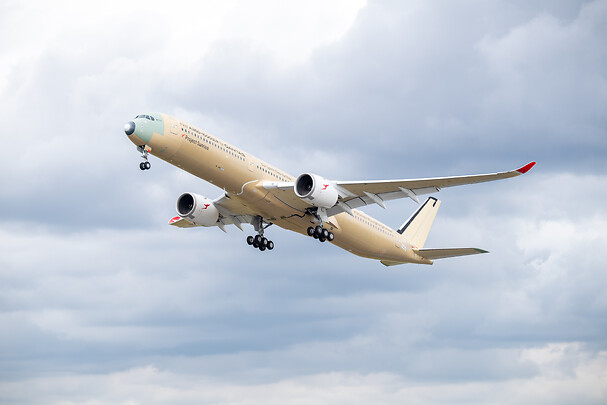
The Europe signal is clear. Airbus said on June 2 that the first A350-1000ULR for Qantas completed its first flight, a milestone that shows demand for ultra-long-haul capacity is still real. But the bullish headline sits next to a less comfortable supply story. Reuters reported in late May that Airbus informed some customers of further A350 delivery delays tied to ongoing trouble securing critical fuselage parts from the former Spirit AeroSystems plant in North Carolina. In other words, demand for flagship long-haul aircraft is advancing faster than the production system looks able to move smoothly.
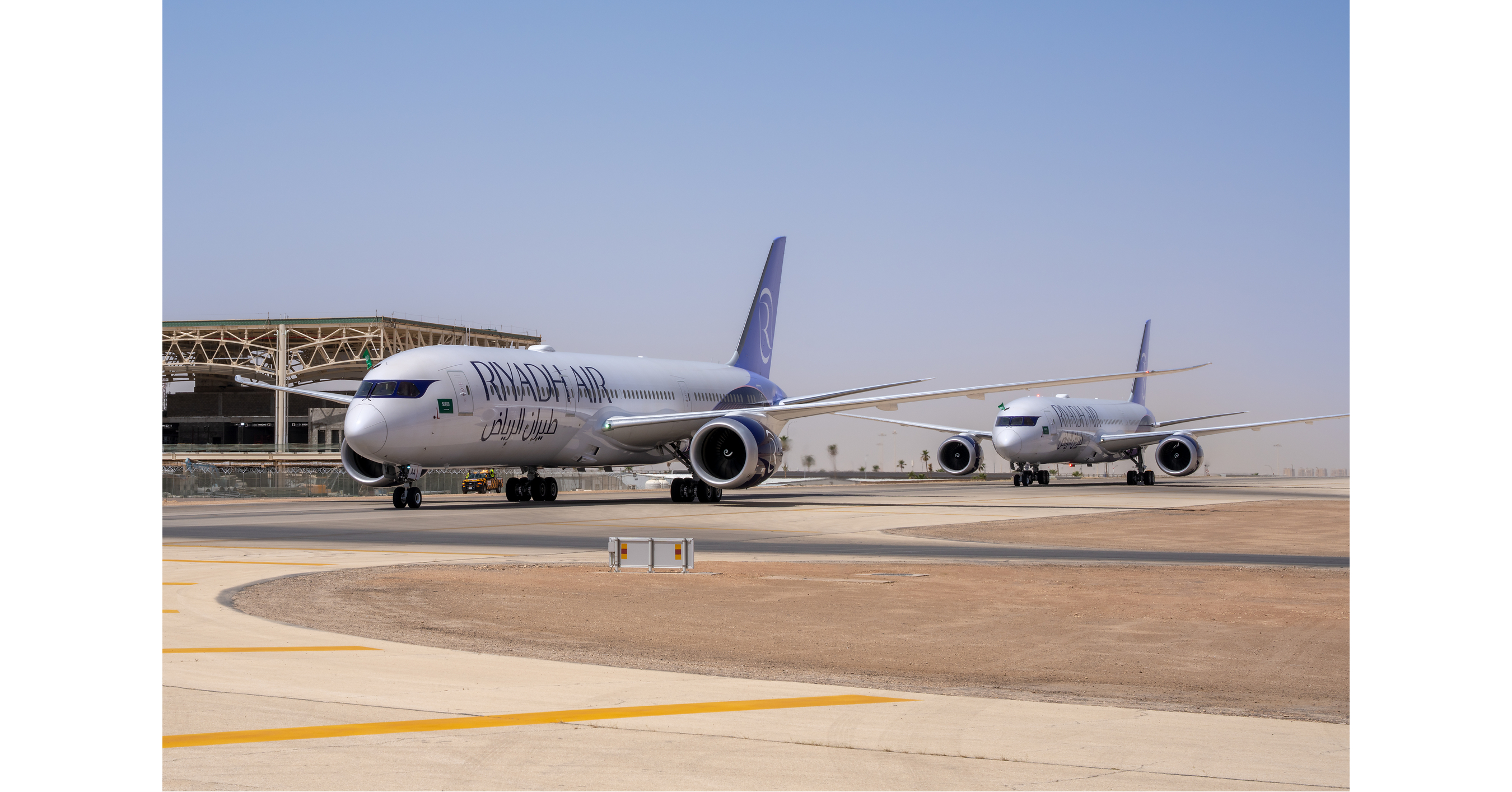
The U.S. side of the trade is not clean either, but it points in the same direction. Boeing highlighted on June 5 that Riyadh Air took its first two 787 Dreamliners, showing that the Dreamliner is still central to global long-haul fleet planning. At the same time, Yahoo Finance reported on June 9 that Boeing’s May deliveries rose 33% after fixes related to 737 Max wiring, while total deliveries through the end of May still trailed Airbus. The message for traders is that every completed handover matters because delivery cadence is now a cash-flow story, a route-growth story and a margin story all at once.
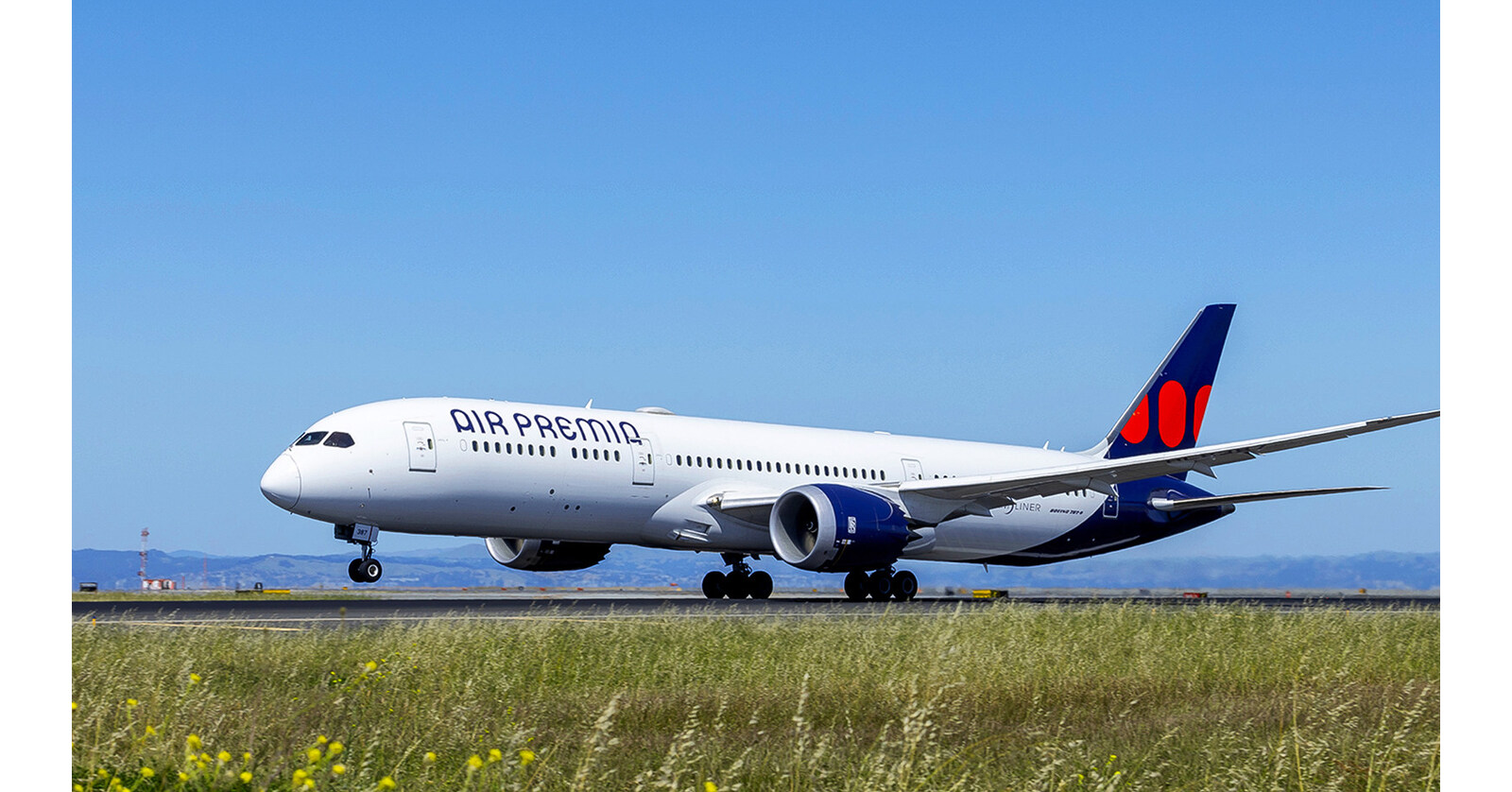
Japan and Korea add an important airline-behavior signal. ANA’s FY2026-2028 strategy says it will accelerate growth investments in aircraft while trying to capture more passenger demand and more cargo between Asia and North America or Europe, even as it flags fuel-price and Middle East supply concerns. That reads less like an industry expecting cheap abundance and more like one preparing to deploy scarce assets carefully. In Korea, Air Premia said in March that it reduced total seats on one 787-9 while increasing economy seat pitch from 31 to 33 inches, and plans to expand that layout shift across more aircraft this year. That is a small but revealing decision: when capacity is constrained, airlines often prefer a better product and stronger unit revenue over squeezing in every last seat.
My cautious view is that this is a better quality-and-yield trade than a simple traffic-volume trade. The bullish case is that premium cabins, cargo flexibility, retrofit work, maintenance demand and scarce long-haul slots can all support earnings even without explosive passenger growth. The bearish case is that aircraft shortages can also cap expansion, delay revenue recognition and frustrate investors waiting for cleaner ramp-ups from Airbus, Boeing and their suppliers. That is why I would watch this theme through execution, not travel enthusiasm alone. In this part of the market, the winners are less likely to be the loudest growth storytellers and more likely to be the operators that can turn constrained metal into high-margin flying.
Risk notice: This article is market commentary for information only, not personalized investment advice. Airline, aerospace, engine, leasing and travel-linked stocks can be highly volatile and may react sharply to fuel prices, delivery delays, safety issues, labor disruptions, certification setbacks, geopolitical shocks and consumer-demand swings.
Sources:
Airbus: A350-1000ULR takes to the skies
Reuters via AeroTime: Airbus tells some A350 customers to expect delivery delays
Boeing: Riyadh Air receives its first two 787 Dreamliner jets
Yahoo Finance: Boeing May 2026 deliveries jump 33%
ANA Holdings: Launching ANA Group Medium-Term Corporate Strategy for FY2026-2028
PR Newswire: Air Premia expands economy seat pitch by reducing seat count
原创文章,作者:financial transaction,如若转载,请注明出处:https://www.fanbi.net/archives/408