The AI semiconductor trade keeps getting described as a demand story, but June 23 added a harder geopolitical layer. Reuters reported that the Netherlands will join the U.S.-led Pax Silica initiative, a coalition meant to coordinate AI supply chains across allied countries. That sounds bureaucratic on the surface. In market terms, it means investors have one more reason to price chip equipment, memory, and semiconductor infrastructure through the lens of strategic alignment rather than simple volume growth.
The Dutch move matters because it brings ASML deeper into the club logic even while Washington and The Hague still disagree over how far China-facing export controls should go for less-advanced tools and servicing. That tension is exactly why traders care. If the AI stack is being organized not just by technology leadership but by political trust, then the valuation framework for names tied to lithography, etch, memory, and advanced packaging becomes more selective. Not every winner will be chosen only by end-market demand anymore.
Reuters also said Japan and South Korea are already part of Pax Silica, with the European Union expected to join later. That makes this more than a U.S.-Netherlands headline. It turns the story into a cross-market read-through for American chip-policy beneficiaries, Dutch equipment leaders, Japanese toolmakers, and Korean memory suppliers. The point is not that all those stocks should move in one direction. The point is that traders now have to weigh club membership, regulatory alignment, and policy leverage alongside orders, margins, and guidance.
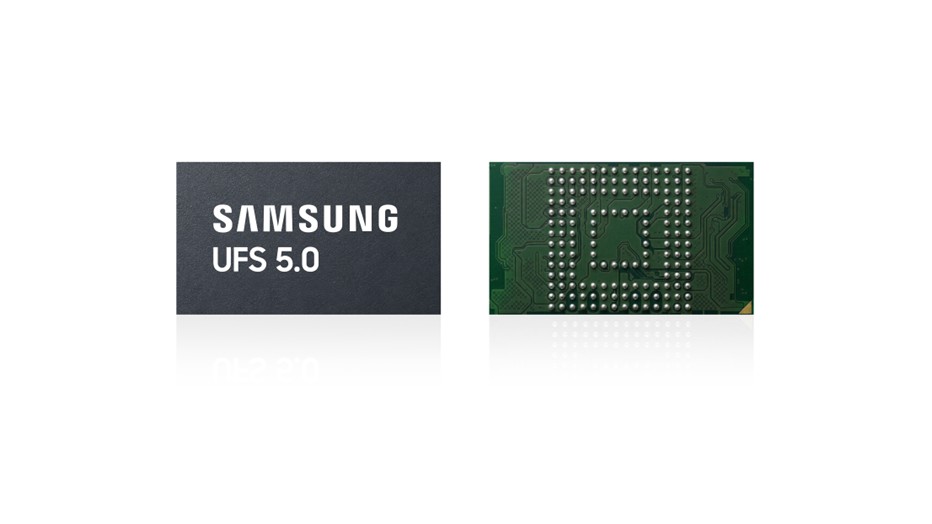
ASML’s latest annual-report materials still frame semiconductor market development as a strategic long-cycle build rather than a one-quarter sprint, and Samsung’s June 23 UFS 5.0 announcement is another reminder that Korea is still widening its claim on the AI hardware stack from memory outward into adjacent storage layers. Put those together with Pax Silica and the market signal becomes clearer: the AI trade is being curated. Capital may keep flowing, but the route it takes is becoming more political.
This is why I do not read Pax Silica as a simple diplomatic headline. It is closer to an index-construction event for the next phase of the AI supply chain. The more the U.S. and its partners formalize trusted channels, the more investors may reward companies seen as indispensable and politically aligned, while treating China-exposed or policy-ambiguous revenue streams with a heavier discount. That does not kill the bull case for semiconductors, but it does narrow it.
The cautious market view is that alliance logic can support premium multiples right up until it creates new friction. If the coalition expands smoothly, Europe, Japan, Korea, and U.S. names sitting inside the trusted network may keep attracting strategic capital. But if disputes over tool servicing, secondary controls, or retaliation escalate, the same stocks can become policy-volatility trades rather than clean AI growth vehicles. Traders should assume the next leg of the AI theme will be more uneven, more political, and less forgiving of exposed business models.
Risk notice: This article is for market commentary and information only. It is not investment advice, not a recommendation to buy or sell any asset, and not a guarantee of future results. Semiconductor, currency, and equity markets can react sharply to policy announcements, export-control changes, and geopolitical headlines.
Sources:
Yahoo Finance / Reuters: Netherlands to join U.S.-led Pax Silica AI initiative despite ASML dispute
ASML: 2025 Annual Report Strategy and Stories
Tokyo Electron: AI Semiconductor Manufacturing Solution of the Year award notice
原创文章,作者:financial transaction,如若转载,请注明出处:https://www.fanbi.net/archives/445