

Traders used to file satellite-to-phone under the category of nice demo, distant optionality, and occasional emergency-marketing gimmick. That is getting harder to justify. The latest headlines suggest the market is starting to treat non-terrestrial connectivity as real infrastructure with consequences for listed telecom operators, handset ecosystems, and satellite names.
The cleanest U.S. signal came on June 3, when Reuters reported that Oppenheimer sees SpaceX and Starlink as a potential disruptor to the $1.6 trillion U.S. communications industry. That matters because the note was not framing satellite as a niche add-on. It argued that AT&T, Verizon, and T-Mobile could face faster subscriber and revenue pressure as direct-to-device and space-based broadband expand. At the same time, AST SpaceMobile said in its May 11 first-quarter update that its next orbital launch is targeted for mid-June with BlueBird 8, 9, and 10, while the company also highlighted FCC authorization for U.S. direct-to-device broadband connectivity. Put differently, the U.S. market now has both an incumbent-disruption narrative and a near-term launch catalyst.
Europe is no longer just watching the American race. Orange said on March 2 that it signed agreements with AST SpaceMobile and Satellite Connect Europe, the Vodafone-backed joint venture, to begin direct-to-device demonstrations in Romania in the second half of 2026 covering voice, SMS, and data. That sounds operational rather than theoretical. Europe has spent the last two years talking about digital sovereignty in cloud and chips; now the same instinct is reaching mobile coverage. For listed European telecom and satellite players, the question is shifting from whether this technology will exist to who will control the service layer and customer relationship when it does.
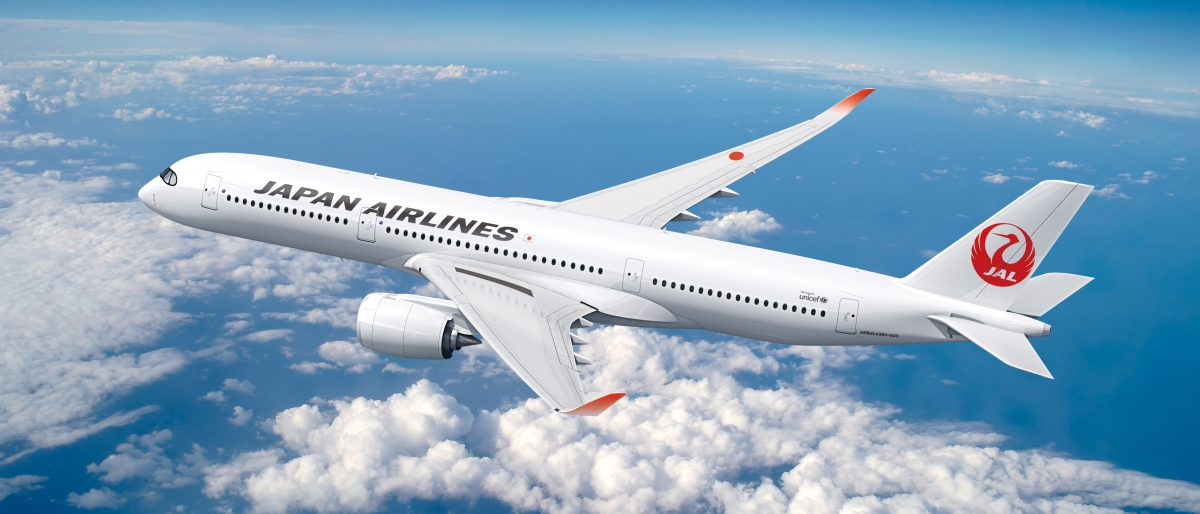
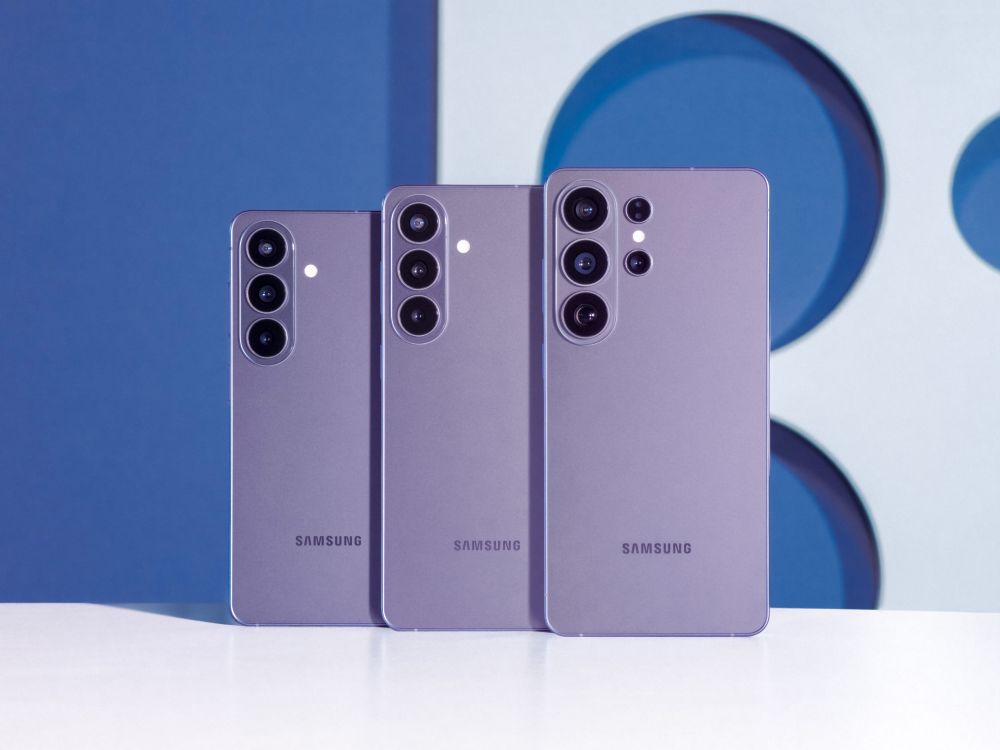
Japan gives the theme a more immediate commercial shape. SES announced on April 14 that Japan Airlines selected SES multi-orbit inflight connectivity for 41 long-haul aircraft across Airbus A350-900 and Boeing 787-9 fleets. That is not direct-to-phone in the pure handset sense, but it is the same market lesson: connectivity is moving from single-network dependence toward layered terrestrial-plus-orbital redundancy. Japan is also appearing on the device side. Samsung said on February 27 that satellite communication features are being expanded through partnerships in Japan, where KDDI already supports satellite-based text and data on supported Galaxy models and SoftBank and docomo are due to add features in 2026. My read is that Japan is becoming a proving ground for the commercial middle layer between flashy space narratives and everyday paid telecom services.
Korea matters because the country sits at both ends of this trade. Samsung is one of the first global handset makers trying to normalize satellite communication across mainstream smartphones, while Korean investors also understand infrastructure capex stories better than most. When a feature moves from premium emergency signaling toward broader text, data, and operator integration, the winners are not automatically just rocket companies. Some of the upside can flow to handset vendors, network partners, antenna suppliers, and service enablers. That makes this theme more cross-asset and less speculative than it first appears.
My cautious view is that the market is still early and may overpay for the story before the economics are fully proven. Coverage quality, regulation, handset compatibility, spectrum coordination, and pricing discipline will decide whether satellite connectivity becomes a profitable layer or just another expensive customer-retention tool. But the signal is now strong enough to matter: satellite is starting to trade less like science fiction and more like telecom infrastructure. That usually means valuation frameworks change before income statements fully catch up.
Risk notice: This article is for market commentary only, not personalized investment advice. Telecom, satellite, handset, and space-related stocks can be volatile and may react sharply to regulation, launch delays, technical failures, spectrum disputes, capital spending, competitive pricing, and valuation compression. Traders can lose money quickly.
Sources:
1. Reuters via Investing.com on Oppenheimer’s June 3, 2026 call that SpaceX could disrupt the U.S. communications industry: https://www.investing.com/news/stock-market-news/spacex-will-disrupt-16-trillion-us-communications-industry-oppenheimer-says-4724658
2. AST SpaceMobile first-quarter 2026 business update on mid-June BlueBird 8-10 launch timing and U.S. authorization: https://www.businesswire.com/news/home/20260511685431/en/AST-SpaceMobile-Provides-Business-Update-and-First-Quarter-2026-Results
3. Orange on direct-to-device satellite demonstrations in Romania with AST SpaceMobile and Satellite Connect Europe: https://newsroom.orange.com/orange-partners-with-ast-spacemobile-and-satellite-connect-europe-on-direct-to-device-d2d-satellite-connectivity-starting-with-demonstrations-in-romania/
4. SES on Japan Airlines selecting multi-orbit inflight connectivity for long-haul aircraft: https://www.ses.com/news/press-release/ses-japan-airlines-to-expand-multiorbit-inflight-connectivity-to-longhaul-fleet
5. Samsung Newsroom on February 27, 2026 expansion of satellite communication support across Galaxy smartphones: https://news.samsung.com/global/samsung-brings-satellite-communication-support-to-galaxy-smartphones-across-the-globe
6. Reddit AST SpaceMobile discussion showing current retail focus on direct-to-device launch timing and carrier tie-ups: https://www.reddit.com/r/ASTSpaceMobile/comments/1tafi43/ast_spacemobile_provides_business_update_and/
原创文章,作者:financial transaction,如若转载,请注明出处:https://www.fanbi.net/archives/303

