Steel is starting to trade like borders matter again. The move is bigger than a simple rebound in coil or scrap prices. What changed is that the policy backdrop and the investment backdrop are now moving in the same direction: buyers want local tonnage, local auto-sheet security, and less exposure to a market distorted by overcapacity and tariffs.
The U.S. policy leg sharpened again on July 2, 2026. Yahoo Finance reported that Washington was preparing a tiered approach for steel and aluminum duties, with many derivative products still facing 50% tariffs while others would be charged lower rates. Traders do not need every line of the tariff code to understand the message. The signal is that steel is being separated by policy buckets, and that raises the value of domestic capacity, local finishing, and supply chains that can avoid last-minute trade friction.
Europe moved in the same week. EUROFER said on July 1 that the EU’s new steel trade measure had entered into force, replacing the old safeguard setup with a reinforced tariff-rate quota system. The industry’s framing was blunt: Europe is trying to defend production from the destructive effect of global overcapacity. That matters because the market is no longer debating whether protection is temporary theater. It is increasingly treating protection as a medium-term operating condition.
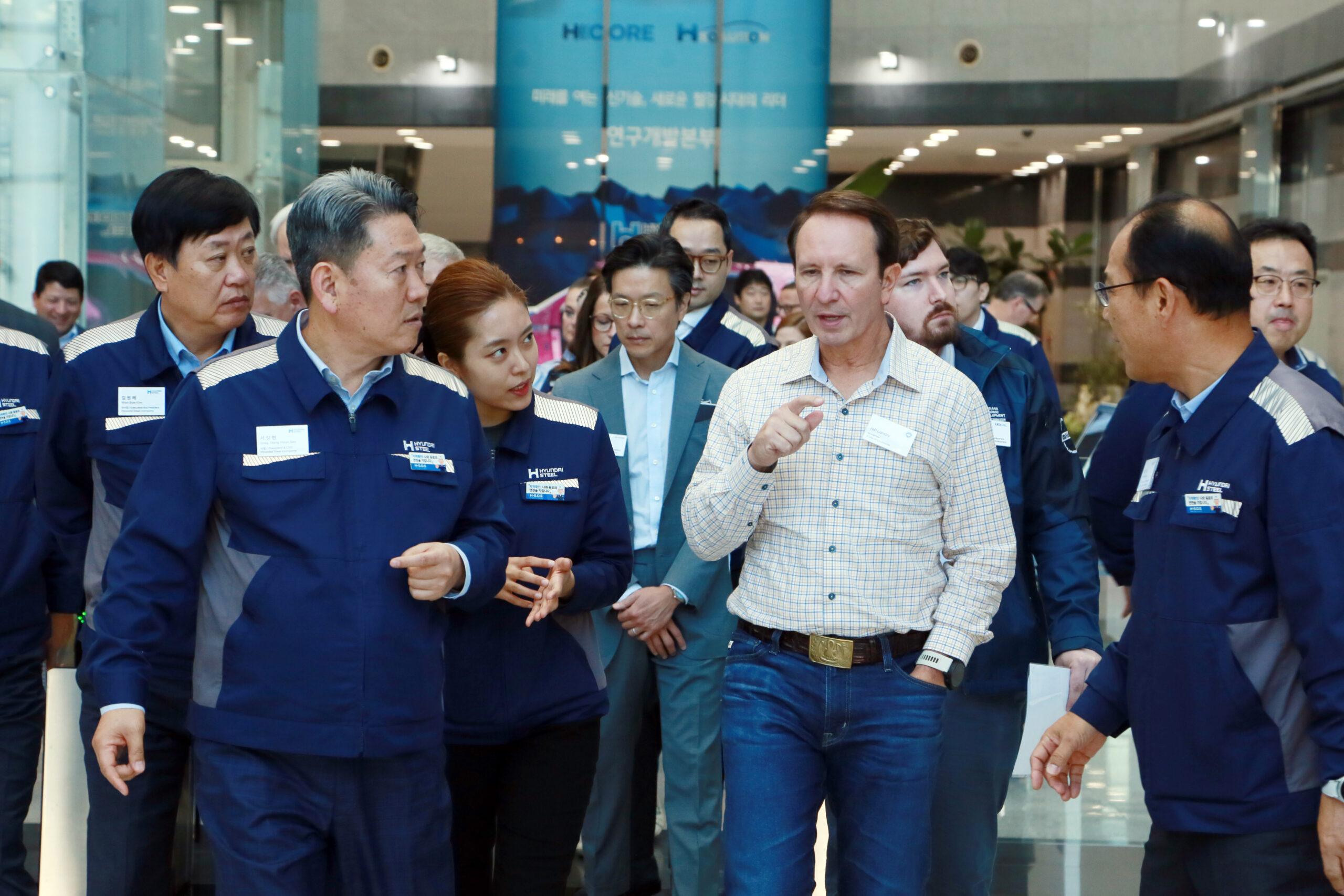
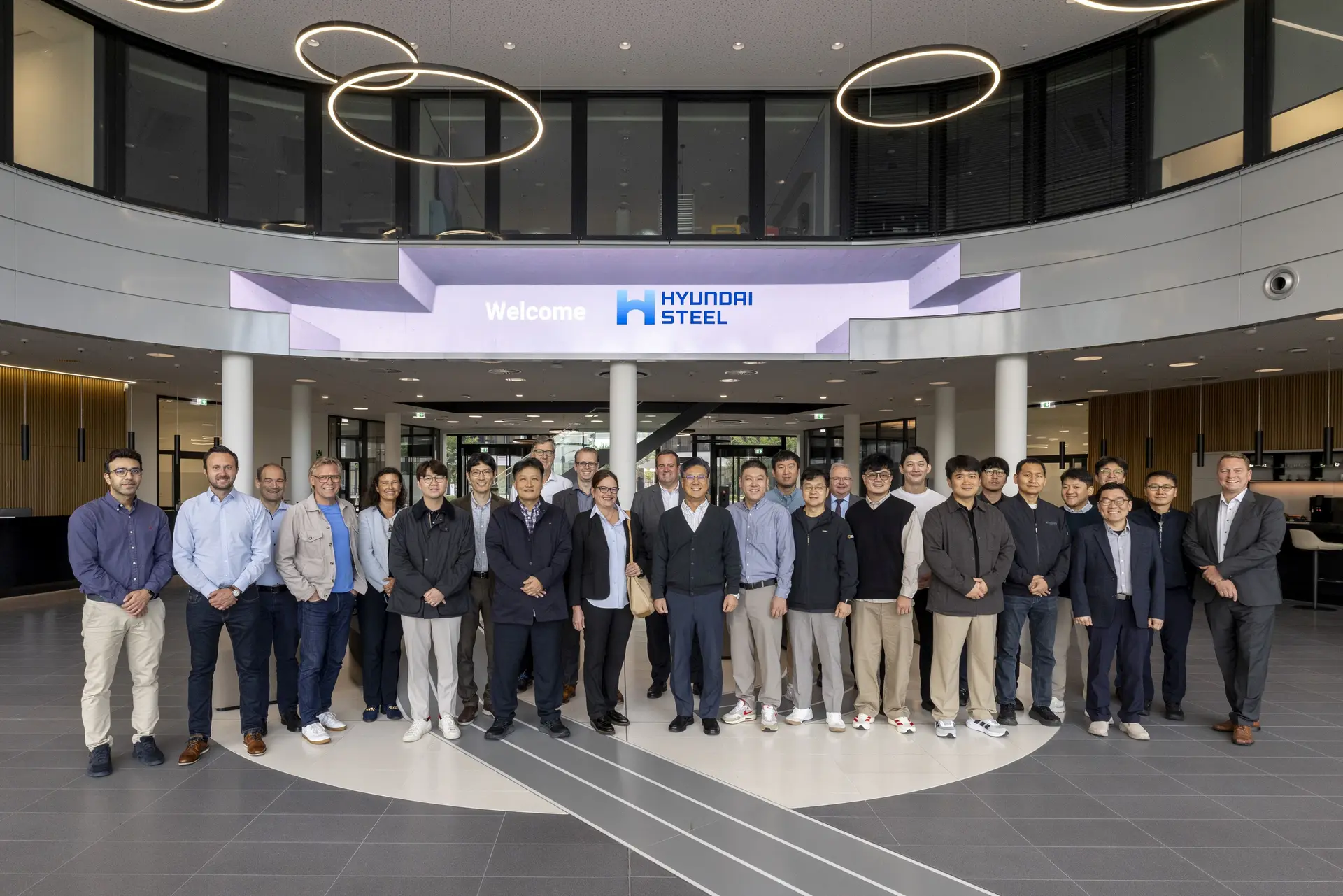
South Korea’s answer is not defensive language but new bricks and mortar. Hyundai Steel’s Louisiana project is already old news as a headline, but it stays market-relevant because the capex keeps becoming more specific. SMS group said on May 11, 2026 that Hyundai Steel and POSCO in Louisiana had placed a rolling-mill technology order for a plant designed to supply automotive steel to U.S. automakers, with 2029 start-up plans and 2.8 million tons of hot-rolled capacity plus 2.0 million tons of cold-rolled capacity. That is exactly the kind of follow-through traders watch for when a geopolitical theme turns into equipment orders and eventual tonnage.
Japan’s role is more subtle but still central. Nippon Steel’s 2026 materials and U.S. Steel’s April 29 announcement on a new $1.9 billion direct reduced iron facility at Big River Steel Works show the same logic: if the U.S. market is going to stay tariff-heavy, the winning model is not pleading for smoother imports but upgrading American steelmaking assets with Japanese capital, technology, and long-duration commitment. In other words, the Japan leg is not just about ownership headlines. It is about which companies can translate industrial policy into reliable high-grade steel supply.
My cautious market view is that this is one of the cleaner industrial narratives on the board right now, but it is still an execution trade, not a straight-line bull case. Steel equities and related suppliers can rally on tariff headlines, local-content politics, or capex announcements long before new mills actually produce high-margin volume. That means traders are really pricing permitting, project delivery, energy costs, labor, and whether automakers will commit enough demand to support these local ecosystems.
The cross-market message is straightforward. The United States is hardening tariff walls, Europe is tightening trade defenses, Korea is building for the U.S. market, and Japan is embedding itself deeper into U.S. steel capacity. When four developed-market blocs react to the same overcapacity shock in four different but related ways, steel stops being just a commodity story and becomes a regionalization trade.
Sources
Yahoo Finance: U.S. to roll out tiered steel and aluminum duties
EUROFER: new EU steel trade measure entered into force on July 1, 2026
U.S. Steel: $1.9 billion DRI investment at Big River Steel Works
SMS group: Hyundai-POSCO Louisiana Steel rolling-mill order
Nippon Steel 2026 newsroom
Risk notice: This article is for market commentary only, not personal investment advice. Steel, mining, industrial, shipping, and auto-supply stocks can be volatile, and tariff policy, project delays, energy costs, and demand slowdowns can reverse sentiment quickly.
原创文章,作者:financial transaction,如若转载,请注明出处:https://www.fanbi.net/archives/508