
For a while, shipbuilding looked like an old-economy corner that only woke up when freight, LNG, or defense headlines spiked. That framing is getting too lazy. South Korea’s June 26 Korea-U.S. shipbuilding investment memorandum of understanding suggests the market is moving back toward a harder question: who actually has the yard capacity, financing support, and specialist equipment to turn geopolitical demand into delivered tonnage?
The fresh catalyst came from Korea’s Ministry of Trade, Industry and Energy, which said KUIC, policy-finance institutions, and three shipbuilders signed a Korea-U.S. shipbuilding investment MoU. Traders should pay attention because this is not just another headline about orders. It is a sign that Seoul wants shipbuilding to sit inside its strategic industrial toolkit, especially when Washington is looking for more resilient commercial and auxiliary-vessel capacity.
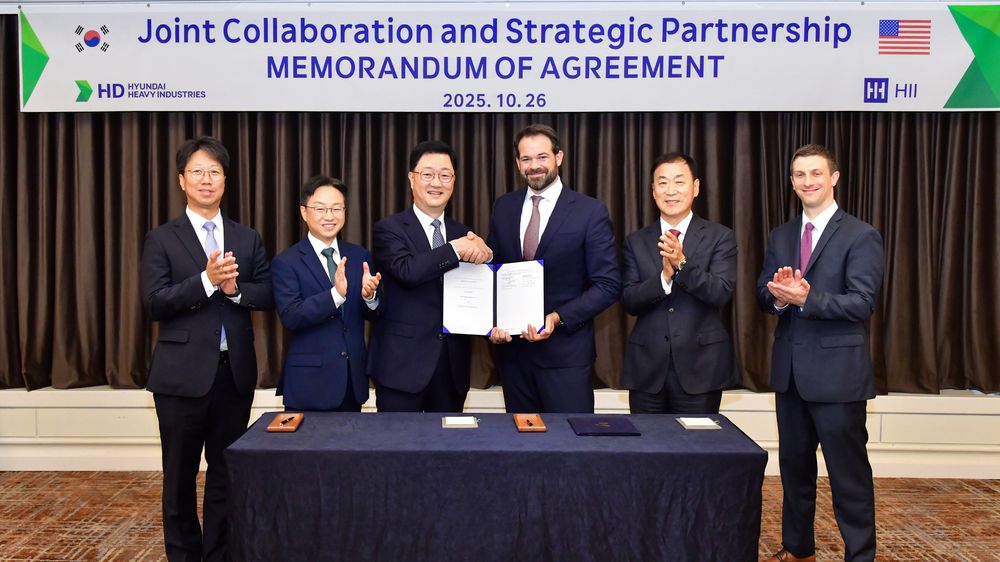
The U.S. angle is not about instant earnings magic. It is about time horizons. HII and HD Hyundai Heavy Industries already framed their cooperation around distributed shipbuilding and teaming on auxiliary and commercial vessels. That tells you the discussion is shifting from isolated contracts to production architecture. Once investors start talking about distributed capacity, the winners are not only prime yards. Financing, repair infrastructure, component suppliers, and specialized engineering houses start to matter more.
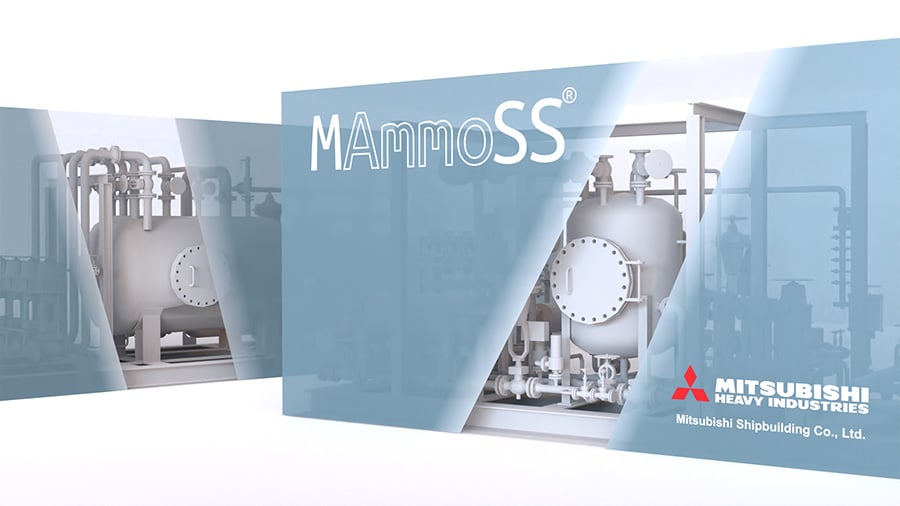
Japan’s signal is different but just as useful. On June 26, Mitsubishi Shipbuilding announced an order for its MAmmoSS ammonia fuel handling system for Hitachi Zosen Marine Engine’s ammonia marine-engine facility. That is a reminder that Japan still has leverage in higher-spec marine systems and next-generation vessel technology rather than only in headline yard volume. If the next cycle is about cleaner fuels and more technically demanding ships, Japanese names can monetize complexity even without matching Korea on sheer scale.
Europe, meanwhile, is making the industrial-capacity case directly. Fincantieri’s 2026 Capital Markets Day described roughly 1.9 billion euros of industrial investment for 2026-2030, including potential offshore-capacity expansion tied to a new shipyard in Vietnam, and it explicitly argued that global shipbuilding is becoming more geopolitically relevant. That matters because Europe is not treating maritime exposure as a passive legacy business. It is leaning into defense, offshore, and underwater systems where capacity can command better pricing.
My cautious view is that shipbuilding is becoming a capacity trade again, not a simple cyclical beta trade. Korea still looks strongest in scale, Japan keeps an edge in specialized marine systems, Europe is building around higher-value niches, and the U.S. remains the political demand center. That mix is constructive, but investors should stay careful: long project cycles, labor constraints, steel costs, subsidy politics, and execution delays can all break the clean narrative very quickly.
Sources
Korea MOTIE: KUIC, Policy Finance Institutions, and Three Shipbuilders Sign Korea-U.S. Shipbuilding Investment MoU
HII: HD Hyundai Heavy Industries and HII execute agreement on distributed shipbuilding
Mitsubishi Heavy Industries: Mitsubishi Shipbuilding receives order for ammonia fuel handling system
Fincantieri: Capital Markets Day 2026
Risk notice: This article is for market commentary only, not personal investment advice. Shipbuilding, defense-adjacent industrials, shipping equities, and related futures or derivatives can move sharply on policy changes, contract timing, project delays, input costs, and liquidity conditions.
原创文章,作者:financial transaction,如若转载,请注明出处:https://www.fanbi.net/archives/482