Friday, June 5, did not only feel like an oil-and-dollar session. Reuters said investors turned defensive ahead of the weekend as U.S.-Iran peace talks stayed in limbo and broader risk appetite softened. That matters because when macro fear rises but traders still want exposure to something with a clear policy bid, defense names move back onto the short list. The more specific angle now is not generic defense. It is layered air defense, interceptor inventories and the manufacturing capacity behind them.
Europe is giving that trade a very visible order book. Reuters reported on May 31 that the United States again pressed Europe over defense spending even as NATO reassured Asian partners, which is another way of saying allied burden-sharing is no longer a slogan but a procurement pipeline. Reuters also reported on June 2 that BALTOPS started in the Baltic with fewer ships than last year only because assets are stretched elsewhere, not because the alliance has relaxed. In practical market terms, a smaller drill that still happens under U.S. leadership is a strong signal that readiness spending is becoming habitual, not episodic.
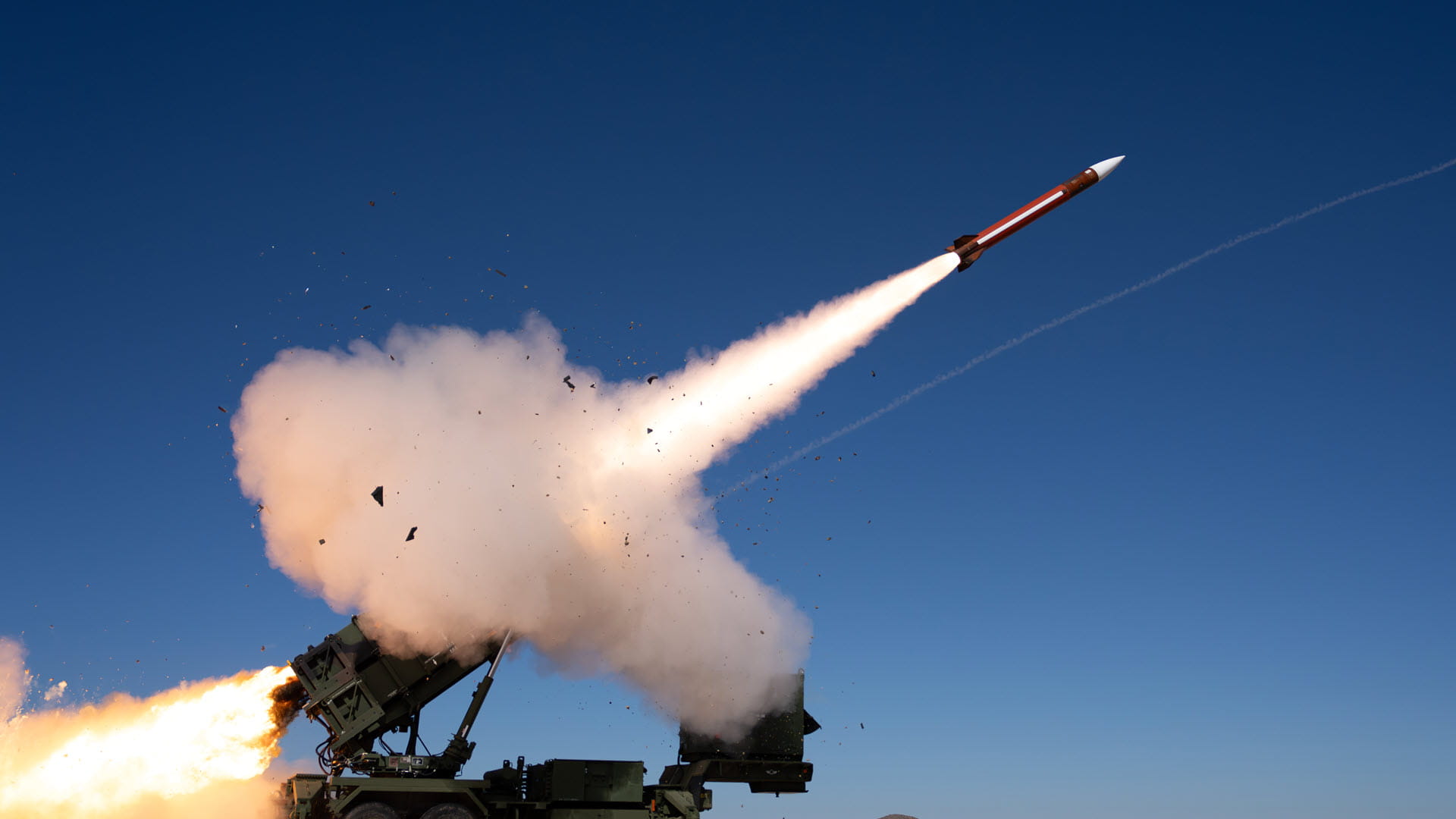
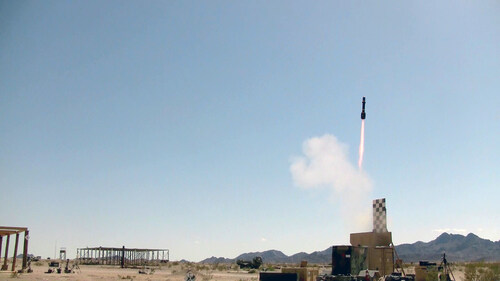
The listed expression of that theme is easy to see. RTX said on April 8 that the Netherlands awarded Raytheon a $627 million Patriot contract covering radars, launchers and command systems. Lockheed Martin said on May 21 that it is expanding THAAD-related production capacity in Alabama as part of a multibillion-dollar investment program through 2030, and on June 3 it highlighted a successful counter-drone test using a containerized launcher and JAGM missile. The market takeaway is that allied demand is moving beyond speeches into actual factory expansion, which usually supports a longer trade than a one-day headline spike.
Japan and South Korea make the theme broader than a simple U.S.-Europe story. Reuters reported on April 21 that Japan carried out its biggest overhaul of defense export rules in decades, opening the door to overseas sales of warships, missiles and other systems. That matters for traders because it changes Japan from a domestic defense-budget story into a potential export story. In South Korea, Hanwha Aerospace announced on April 10 a follow-on K9 howitzer contract with Finland, and on May 28 it unveiled a UAV engine development program with Korea’s aerospace administration while stressing faster delivery and lower-cost production for global customers. Korea is no longer just a regional supplier; it is being pulled deeper into allied rearmament chains.
My cautious view is that this defense bid is more durable than many of the market’s crowded narrative trades, but it is not consequence-free. Defense stocks can get over-owned, governments can delay deliveries, and margin assumptions can disappoint if capacity expansion outruns cash conversion. There is also a hard operational reality: higher output targets and faster delivery schedules raise execution risk across factories and suppliers. Still, compared with themes that depend on perfect valuation tolerance, air defense currently has something traders respect more, which is visible state-backed demand across the United States, Europe, Japan and South Korea at the same time.
Risk notice: This article is for market commentary only, not investment advice. Defense equities, industrial names, related index futures, commodities and currencies can move sharply on geopolitics, government budgets, export controls, contract timing, production setbacks and shifts in risk appetite.
Sources:
Reuters via Investing.com – Stocks drop as AI rally pauses, U.S.-Iran peace talks stall (June 5, 2026)
Reuters via Investing.com – U.S. castigates Europe over defence spend as NATO reassures Asia (May 31, 2026)
Reuters via MarketScreener – U.S., NATO allies to launch scaled-back Baltic Sea drills (June 2, 2026)
Reuters via Investing.com – Japan opens door to global arms market with overhaul of defence export rules (April 21, 2026)
RTX – The Netherlands awards Raytheon’s Patriot air and missile defense contract (April 8, 2026)
Lockheed Martin – New facility to support accelerated THAAD interceptor production (May 21, 2026)
Lockheed Martin – Sanctum C-UAS launch from GRIZZLY launcher (June 3, 2026)
Hanwha Aerospace – Follow-on K9 howitzer contract with Finland (April 10, 2026)
Hanwha Aerospace – UAV engine development program with KASA (May 28, 2026)
原创文章,作者:financial transaction,如若转载,请注明出处:https://www.fanbi.net/archives/264