Small modular reactors are finally starting to trade like an industrial supply-chain story instead of a conference-slide fantasy. The immediate spark is a current dispute in the UK over Rolls-Royce SMR relying on South Korea’s Doosan Enerbility for key reactor components, a debate that matters because traders now care less about nuclear slogans and more about who can actually manufacture pressure vessels, modules, and qualified heavy components on schedule.
The UK angle gave the theme a fresh market pulse. The Financial Times reported on June 5 that Rolls-Royce SMR was facing criticism for sending core work to Doosan, even as Britain pushes for a domestic nuclear manufacturing revival. That argument only exists because the project is real enough to create winners and losers inside the supply chain. Earlier, on April 13, The Guardian reported that Rolls-Royce SMR secured up to 599 million pounds from Britain’s national wealth fund and started work tied to Wylfa, so the debate has moved from theory to execution risk.
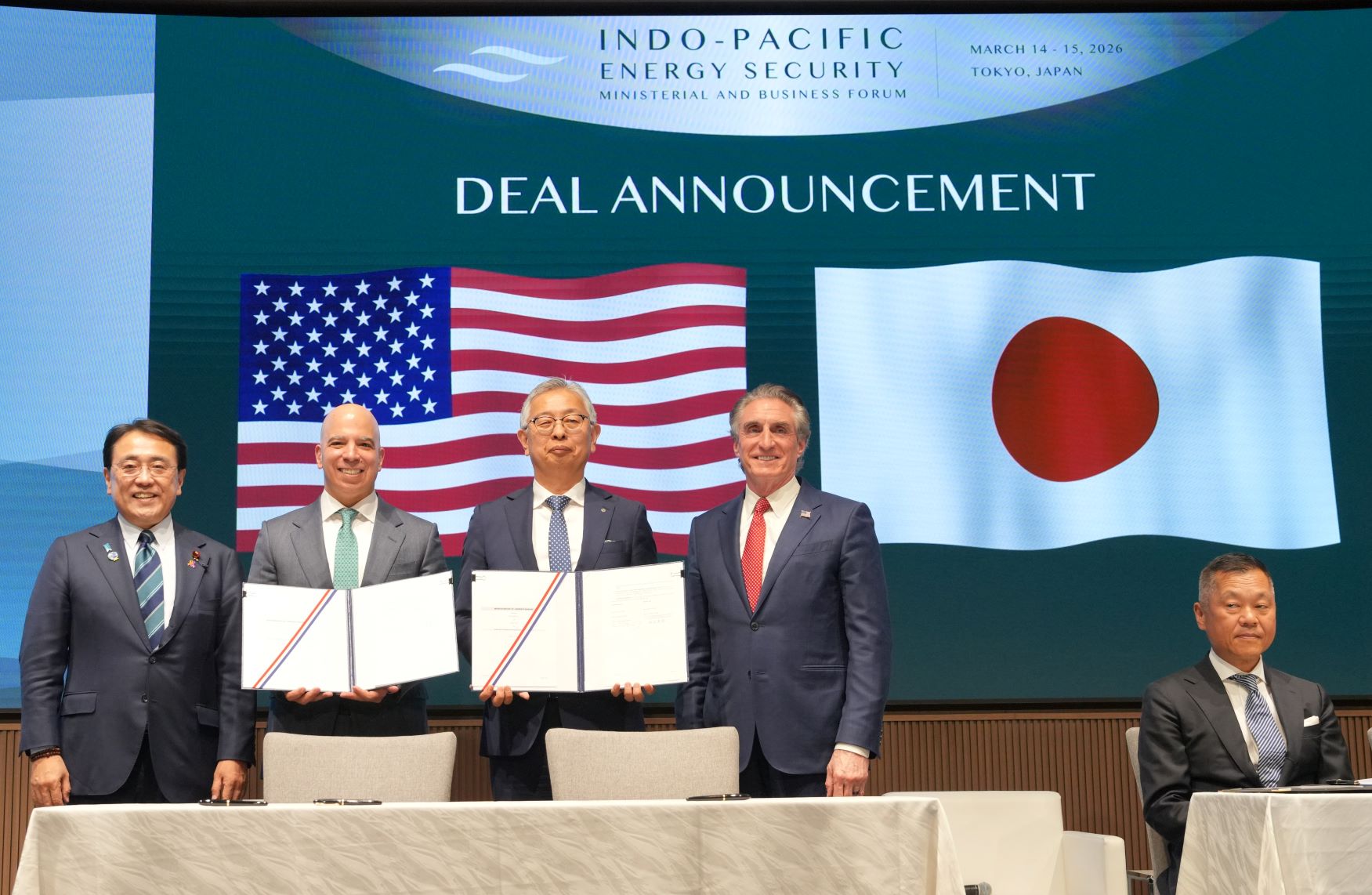
The U.S. and Japan side of the trade looks more advanced than many equity screens imply. GE Vernova Hitachi says the first BWRX-300 is already under construction at Ontario Power Generation’s Darlington site, with commercial operation targeted for the end of 2030. In a March 14 Tokyo announcement, GE Vernova and Hitachi said they would explore BWRX-300 deployment in Southeast Asia and specifically examine how qualified Japanese suppliers can strengthen the future SMR supply chain. That is a useful tell: the market is beginning to value supplier qualification and exportable manufacturing ecosystems, not just reactor design brochures.
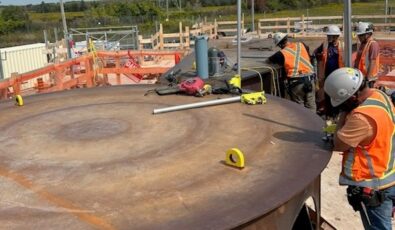
Darlington is the proof point traders have wanted. OPG said its first SMR unit has moved through new foundation and module milestones, with Ontario approving construction of the first unit and the broader four-reactor plan. Once projects reach this stage, the opportunity set widens beyond uranium headlines into forgings, modular construction, control systems, heavy engineering, grid equipment, and long-cycle service contracts. That is why this theme can matter simultaneously to U.S. industrials, Japanese nuclear suppliers, Korean heavy manufacturers, and European power-policy names.
My read is that the market is repricing SMRs as a capacity bottleneck trade, not a simple clean-energy trade. The bullish case is obvious: energy security, AI-era power demand, and government support are all improving. The harder question is whether the West has enough qualified fabrication depth to keep delivery calendars believable. If not, the best-positioned suppliers may capture more value than the best-known reactor developers.
The cross-market signal is straightforward. When Britain needs Korean heavy manufacturing, GE Vernova and Hitachi are building a Japanese-linked export chain, and Darlington is physically moving into the construction phase, the investable edge shifts toward execution capacity. Traders should watch this space the way they watch shipyards, transformers, or missile output: the story gets real when component bottlenecks get political.
Risk notice: This article is for market commentary only, not personalized investment advice. Nuclear projects carry regulatory, political, construction, financing, and supply-chain risks, and price reactions can reverse quickly.
Sources:
Financial Times – Rolls-Royce under fire for outsourcing parts of UK nuclear project to South Korea
The Guardian – Rolls-Royce secures nearly 600 million pounds in UK government cash to develop small reactors
GE Vernova Hitachi Nuclear – BWRX-300 small modular reactor
GE Vernova – GE Vernova and Hitachi to explore deployment of BWRX-300 small modular reactor in Southeast Asia
Ontario Power Generation – OPG marks new milestones in construction of G7’s first Small Modular Reactor
原创文章,作者:financial transaction,如若转载,请注明出处:https://www.fanbi.net/archives/359