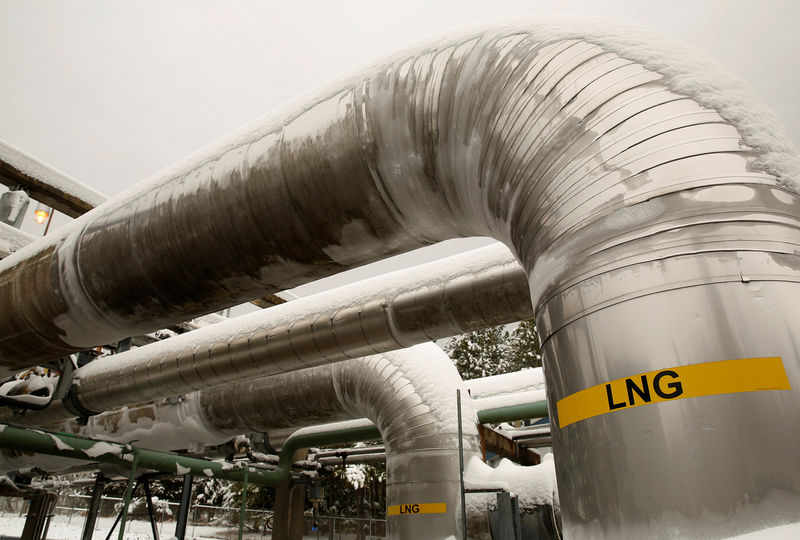


Traders are circling LNG again because the market has stopped looking comfortably oversupplied. Reuters reported that U.S. LNG exports fell in May as maintenance reduced available volumes, while Asia took a larger share of the cargo mix. At roughly the same time, Reuters also quoted market strategists saying LNG could stay very tight for at least the next month. That combination matters: when the U.S. export machine slows even a little, the balance between Europe and North Asia can tighten quickly.
The Japan-Korea angle makes the story more tradable. Japan’s METI said on May 19 that Tokyo and Seoul agreed to deepen cooperation on LNG and crude oil stockpiling and broader energy security. That is not just diplomacy. It signals that two major importers are treating supply resilience as a policy priority, which tends to support freight, utility hedging activity, and a higher sensitivity to any weather or geopolitical shock.
Europe is the third leg of the setup. If Asia is willing to absorb more U.S. cargoes while U.S. maintenance keeps feedgas lower, Europe may have to defend storage economics with firmer bids later in the summer. Reuters also reported record U.S. crude exports in May as conflict around Iran tightened global oil supply routes. Oil and LNG are not the same trade, but together they point to one message: energy flows are being repriced around security, not just around simple seasonal demand.
For traders, that creates a broader map than just front-month gas. U.S. natural-gas futures, LNG-linked shipping names, Asian utilities, European gas-sensitive industrials, and even FX tied to imported energy bills can all start responding to the same impulse. The interesting part is that this is not a clean bullish story for every energy asset. A tighter LNG market can lift some commodity-linked names while squeezing chemicals, power retailers, airlines, and manufacturers that cannot pass through fuel costs quickly.
My view is cautious but clear: LNG has moved back from a background input into a cross-asset signal. If maintenance issues linger, summer heat intensifies, or another geopolitical disruption hits shipping lanes, traders will probably keep paying up for optionality. But if U.S. export capacity normalizes fast and Europe rebuilds comfort on storage, the current anxiety can cool just as quickly. This looks more like a volatility trade than a one-way trend.
Sources: Reuters on May U.S. LNG exports and Asia’s rising share; Reuters via Investing.com on the tight near-term LNG market; METI on Japan-Korea energy-security cooperation; Reuters on record U.S. crude exports and tighter global energy routes.
Risk notice: This article is for market commentary only, not investment advice. Energy markets are volatile, policy-sensitive, and vulnerable to sudden geopolitical and weather shocks.
原创文章,作者:financial transaction,如若转载,请注明出处:https://www.fanbi.net/archives/168