


The auto trade is shifting again. Traders are spending less time on the old EV-volume argument and more time on a harder question: which manufacturers can localize production fast enough to survive tariffs, content rules, and political pressure without crushing returns? That is why autos increasingly look like a localization trade rather than a simple demand story.
The European signal is blunt. Reuters reported on June 12 that Europe’s top carmakers were urging policymakers to adopt simple “Made in Europe” rules. That matters because it tells you the debate is no longer just about consumer subsidies or EV targets. It is about industrial ownership, supply-chain geography, and who gets to keep margin when governments want domestic factories, domestic jobs, and more visible strategic control over battery and vehicle production.
Japan’s angle is just as revealing. Reuters reported on June 25 that Japanese carmakers welcomed a North America trade deal but still saw U.S. export curbs as a live risk. In other words, trade relief does not remove the core market concern. For Toyota and other Japanese manufacturers, the real issue is whether they can keep using global scale while proving enough local commitment to stay politically acceptable in their biggest overseas markets.
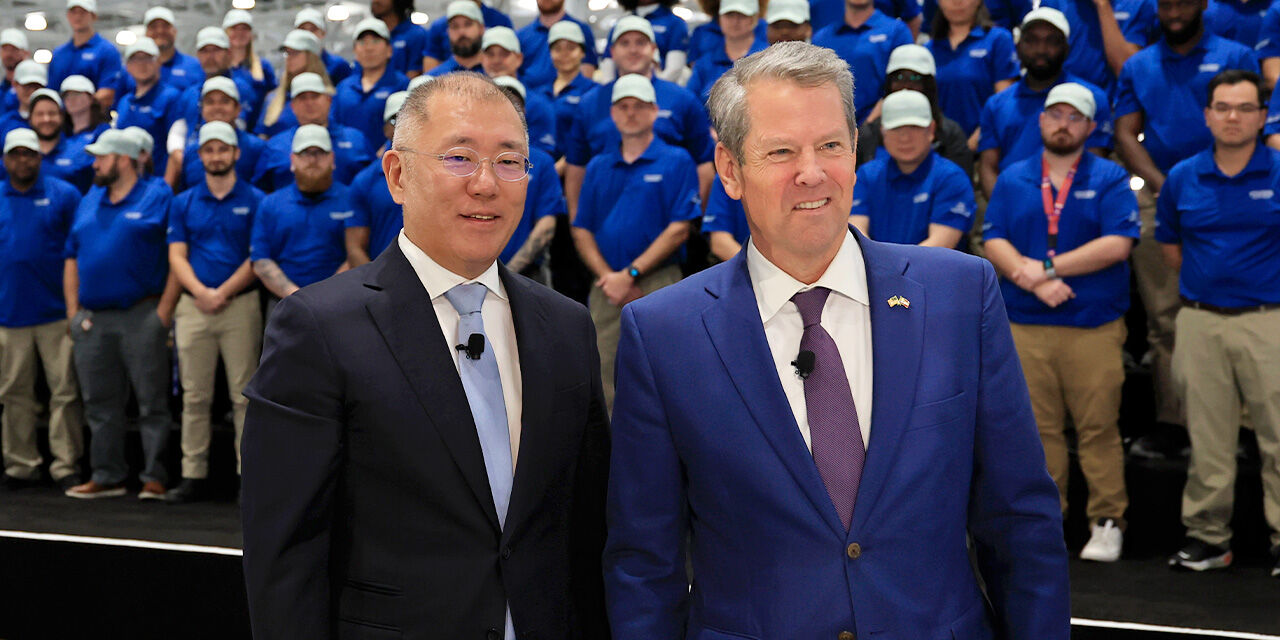
Korea is already responding through physical footprint. Hyundai Motor Group said in March that its Metaplant America grand opening would support a deeper U.S. manufacturing base. Toyota separately announced a $1 billion investment in its Kentucky and Indiana plants. These are not cosmetic headlines. They show that the companies most likely to hold up better are the ones willing to spend for local assembly, batteries, and logistics even before the next policy tightening arrives.
Europe is making the same argument in its own language. Volkswagen’s ID. EVERY1 preview was explicitly framed as an entry-level electric model “from Europe for Europe.” That phrase matters because it captures the new market logic. In autos, branding alone is not enough. Investors increasingly want proof that a company can match its sales geography with its production geography.
My cautious view is that this theme is real, but it is not a free bullish pass for every automaker. Localization can protect pricing power and policy access, but it also raises capex, complexity, and execution risk. The likely winners are not simply the biggest names. They are the groups that can localize without letting factory spending, battery sourcing, and regional political demands eat the balance sheet.
Sources
Reuters via Yahoo Finance: Europe’s top carmakers urge simple ‘Made in Europe’ rules
Reuters via Yahoo Finance: Japan car makers welcome North America trade deal, but U.S. export curbs a risk
Hyundai Motor Group: Metaplant America grand opening
Toyota: $1 billion investment in Kentucky and Indiana plants
Volkswagen: ID. EVERY1 preview
Risk notice: This article is for market commentary only, not personal investment advice. Auto, battery, and supplier shares can move sharply on tariffs, subsidy changes, plant delays, labor costs, currency swings, and weaker-than-expected vehicle demand.
原创文章,作者:financial transaction,如若转载,请注明出处:https://www.fanbi.net/archives/491