
The more interesting aviation trade right now is not another airline-demand story. It is the quiet repricing of sustainable aviation fuel, or SAF, as a feedstock and compliance market. Traders are starting to notice that the real bottleneck is not branding, and not even aircraft technology. It is waste-oil collection, refinery conversion, credit support, and who can secure enough certified supply before mandates tighten.
The freshest catalyst came from Japan on June 5, 2026. Reuters reported that Japan is stepping up efforts to collect used cooking oil because the country wants sustainable sources to cover 10% of airline fuel by 2030, yet domestic output is still tiny relative to the target. Reuters said current domestic SAF output is around 30,000 kilolitres, or only 0.3% of jet-fuel use, and that airlines and refiners could end up paying more for imported feedstock or imported SAF if local collection and investment lag. That is why this matters for markets: the story is shifting from a climate promise to a margin and procurement problem.
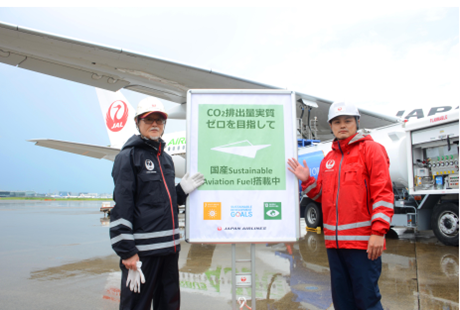
Japan’s listed and quasi-listed ecosystem is already reacting to that reality. JAL’s SAF program says the airline is collecting household used cooking oil, investing in next-generation SAF through the oneworld Breakthrough Energy Ventures fund, and building domestic supply chains with dozens of partner companies. ENEOS says it has already imported SAF molecules and supplied SAF to more than ten airlines in 2024 while preparing larger domestic production capability. Read together, that tells me Japan is no longer treating SAF as a symbolic pilot program. It is trying to build a real fuel chain, and that gives traders a more practical lens for airlines, refiners, engineering firms, and logistics players.
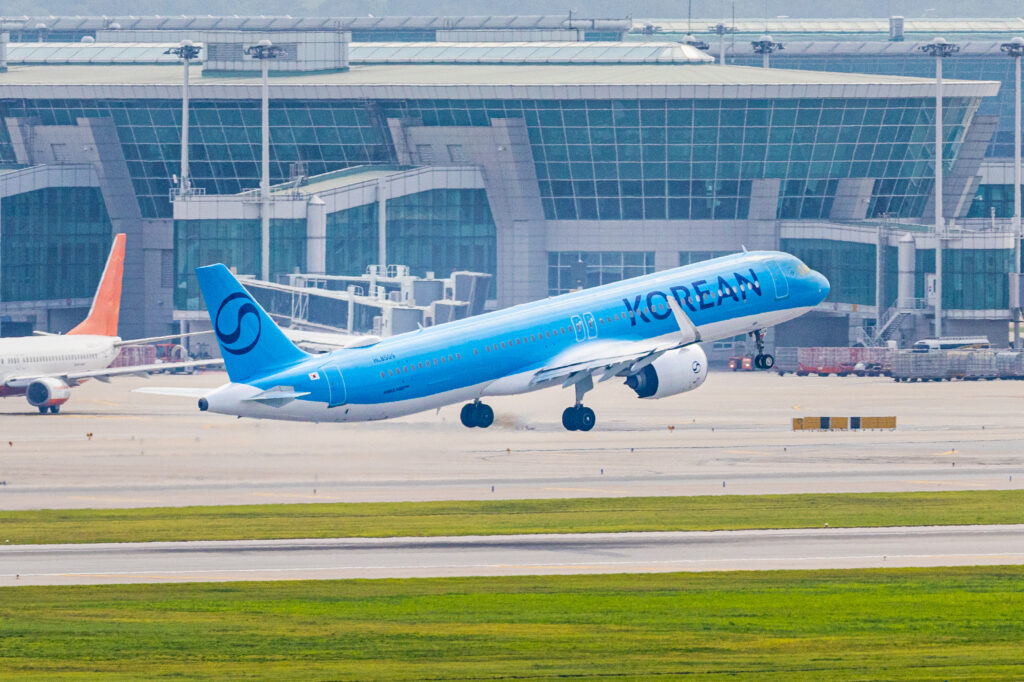
Korea offers the same signal from a different angle. Korean Air said it expanded the use of domestically produced SAF on commercial routes to Kobe and Osaka using fuel supplied by Korean refiners and made from used cooking oil. The percentage is still small, but the market signal is clear: Korea is trying to tie airline decarbonization to domestic refining and supply-chain capability instead of relying only on imported green credentials. In other words, SAF is starting to look like an industrial-policy trade as much as an airline trade.
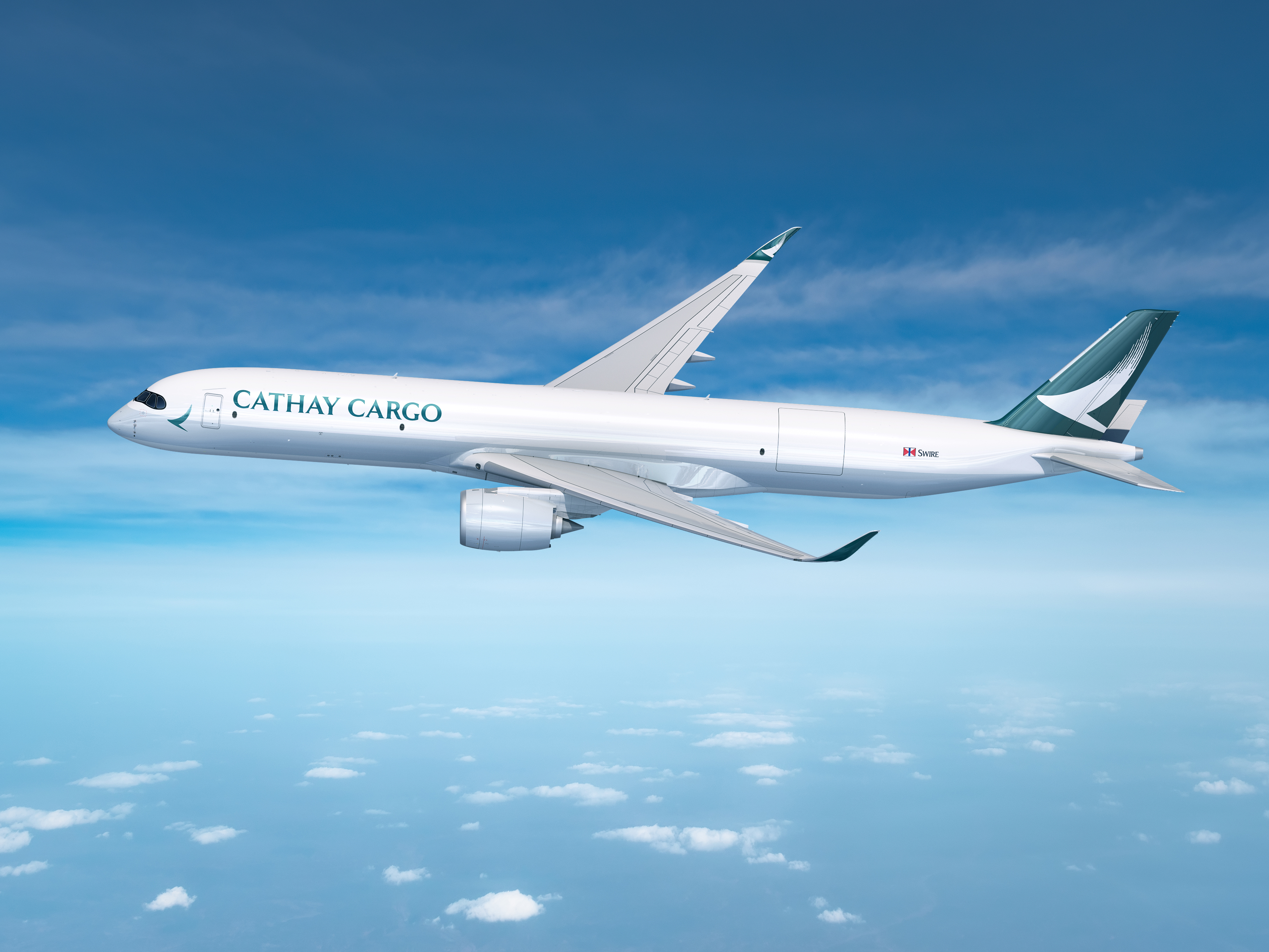
Europe is reinforcing the compliance side. Airbus said at its 2026 annual press conference that Europe is already operating under a SAF mandate this year and faces a higher requirement by 2030. Airbus also said in its May 2026 A350F release that the freighter can operate with up to 50% SAF at entry into service. That matters because Europe is making the demand side more compulsory while OEMs make the hardware side more usable. Once mandates become real and aircraft compatibility is less of an excuse, the pressure falls back on producers, feedstock collectors, and airport fuel systems.
The U.S. angle is less about airline speeches and more about economics. XCF Global said EPA renewable-fuel settings for 2026-2027 materially improve the value stack for qualifying SAF output, estimating about $3.06 per gallon of incremental value from D4 RIN pricing as of late April. Even if that number moves around, the message is straightforward: in the U.S., SAF is increasingly a credits-and-margin trade tied to policy support and domestic energy security, not just a long-dated decarbonization aspiration.
My cautious view is that this theme is real, but it is not clean or linear. The winners may not be the loudest airlines. They may be the groups that control waste-oil sourcing, hydrogenation capacity, logistics, certification, or the balance sheets needed for refinery conversion. At the same time, this can become a crowded narrative if investors pretend mandates guarantee profits. Feedstock scarcity, weak project execution, subsidy changes, and higher conventional jet-fuel volatility can still hurt everyone in the chain. Still, the cross-market message is getting clearer: SAF is no longer just an ESG slogan. It is becoming a fuel-security, compliance, and feedstock trade.
Risk notice: This article is for market commentary only, not personal investment advice. Airlines, refiners, renewable-fuel producers, industrial suppliers, and related equities can be highly volatile and may react sharply to policy changes, input shortages, execution delays, credit-market swings, and shifts in oil and jet-fuel prices.
Sources:
Reuters on June 5, 2026 Japan’s used-cooking-oil push for SAF
JAL SAF program and domestic supply-chain overview
Korean Air on expanding domestic SAF use on Japan routes
ENEOS Holdings on SAF imports and domestic supply-chain buildout
XCF Global on 2026-2027 U.S. renewable-fuel credit economics for SAF
Airbus 2026 annual press conference on European SAF mandate context
Airbus on A350F SAF capability
原创文章,作者:financial transaction,如若转载,请注明出处:https://www.fanbi.net/archives/347

