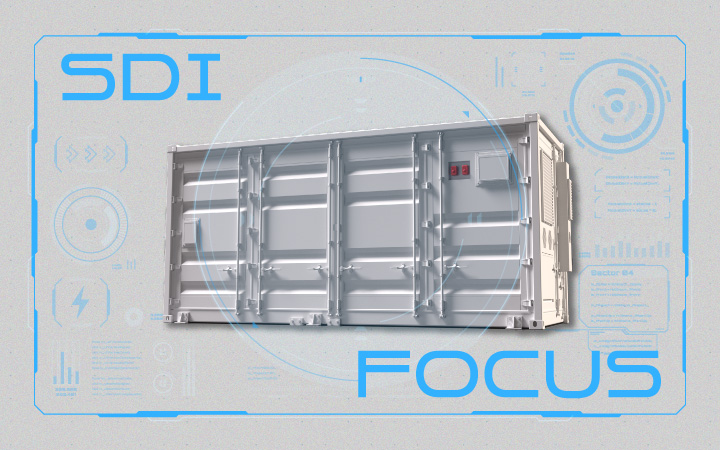
Battery storage is starting to look like the battery market’s second life trade. On June 26, 2026, Reuters reported that lithium producers including Albemarle, Ioneer, and Rio Tinto are leaning harder into stationary storage as EV demand growth cools and utilities, grids, and data centers look for more backup and balancing capacity. That matters because it shifts the conversation from unit sales of cars to the reliability economics of power systems.
The U.S. angle is not just about raw materials. Fluence’s Smartstack launch pushes a high-density 10 MWh storage format that is easier to place where land, interconnection time, and installation speed actually matter. For traders, that is a signal that storage is being sold less as a futuristic concept and more as deployable infrastructure with software, footprint, and project-timing advantages.
Europe’s contribution to this story is about bankability and safety discipline. Saft said it completed large-scale fire testing for its I-Flex battery energy storage system, which matters because Europe’s storage buildout will not be financed on megawatt headlines alone. The market increasingly rewards projects that can clear stricter safety, insurance, and permitting scrutiny.
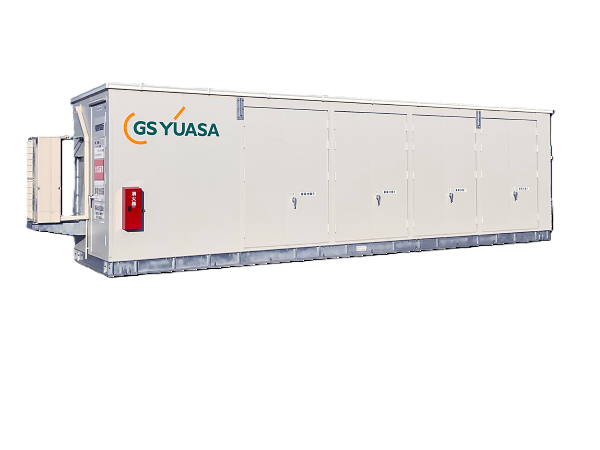
Japan and Korea add the manufacturing and optimization layer. GS Yuasa and Sustech highlighted an AI-optimized grid-scale BESS project, while Samsung SDI used its June 2026 North American ESS update to stress local production and a bigger storage footprint beyond the EV cycle. That combination says Asian battery suppliers do not want storage to remain a side business; they want it to become a core profit and demand stabilizer.
My view is that this theme is real, but traders should be careful about assuming that storage instantly replaces EV demand. The stronger signal is narrower: storage is becoming the marginal narrative that can keep lithium, batteries, and grid-facing equipment names in play even when the auto story softens. If that continues, the winners may be the companies with safety credibility, project execution, and software-enhanced dispatch economics rather than the loudest EV beta.
The risk is that storage orders can still slip on interconnection queues, local permitting, fire-code concerns, and weak lithium pricing. If AI-related power demand gets delayed or utilities slow procurement, this theme can turn from a demand bridge into another overpromised capex story very quickly.
Sources: Mining.com summary of the June 26, 2026 Reuters report | Fluence Smartstack release | Samsung SDI North American ESS article | Saft I-Flex fire-testing release | GS Yuasa grid-scale BESS announcement
Risk notice: This article is market commentary for informational purposes only. It is not personalized investment advice or a recommendation to buy or sell any asset.
原创文章,作者:financial transaction,如若转载,请注明出处:https://www.fanbi.net/archives/462