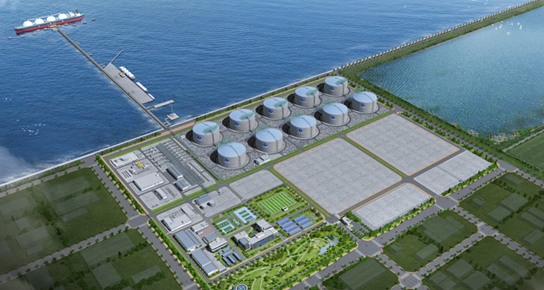
LNG is moving back into the market conversation, but not for the old reason of immediate physical panic. The more interesting shift is structural. On June 27, 2026, the European Commission said the European Union had reached a provisional political agreement to permanently stop Russian gas imports and move toward phasing out Russian oil. Traders now have to ask a harder question: how much replacement flexibility Europe can buy without pulling too much optionality away from Asia.
That is why this story matters beyond Europe. When the policy direction hardens, the market stops treating gas as a local utility issue and starts treating it as a spread trade again across TTF-linked European pricing, JKM-linked Asian LNG demand, and U.S. export capacity. The cleanest bullish argument says Europe will need more non-Russian molecules, which is supportive for exporters, shipping, and flexible LNG portfolios. The cleaner bearish counter is that much of the market already expects this shift, and fresh supply is arriving at the same time.
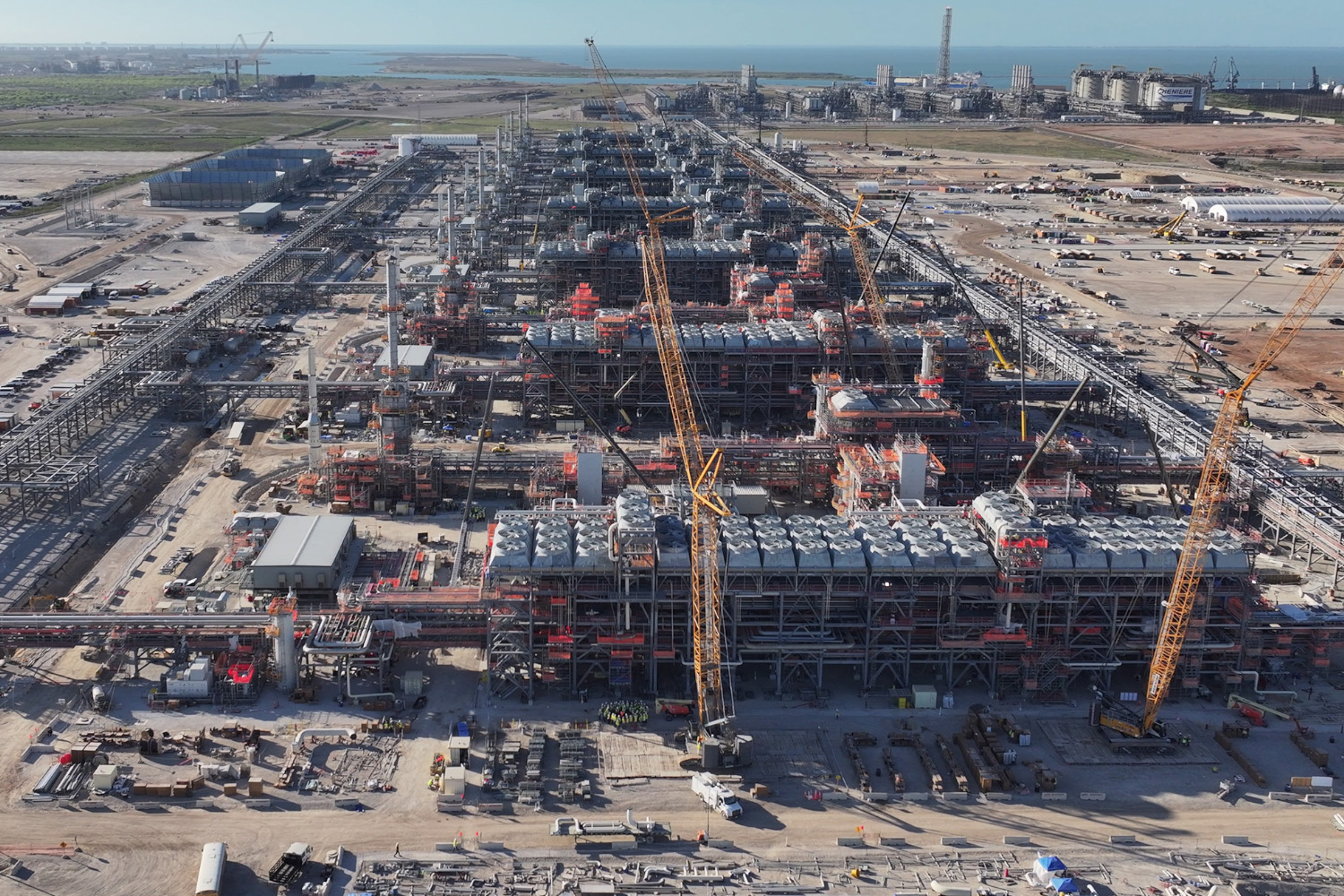
The United States is the key buffer. Cheniere said on June 10 that Train 6 at Corpus Christi Stage 3 had reached substantial completion, a reminder that U.S. LNG capacity is still expanding even as Europe hardens its energy-security stance. That matters because extra liquefaction capacity can soften the shock that would otherwise flow straight into European and Asian prices. In other words, this is not a simple scarcity trade. It is a capacity-and-routing trade.
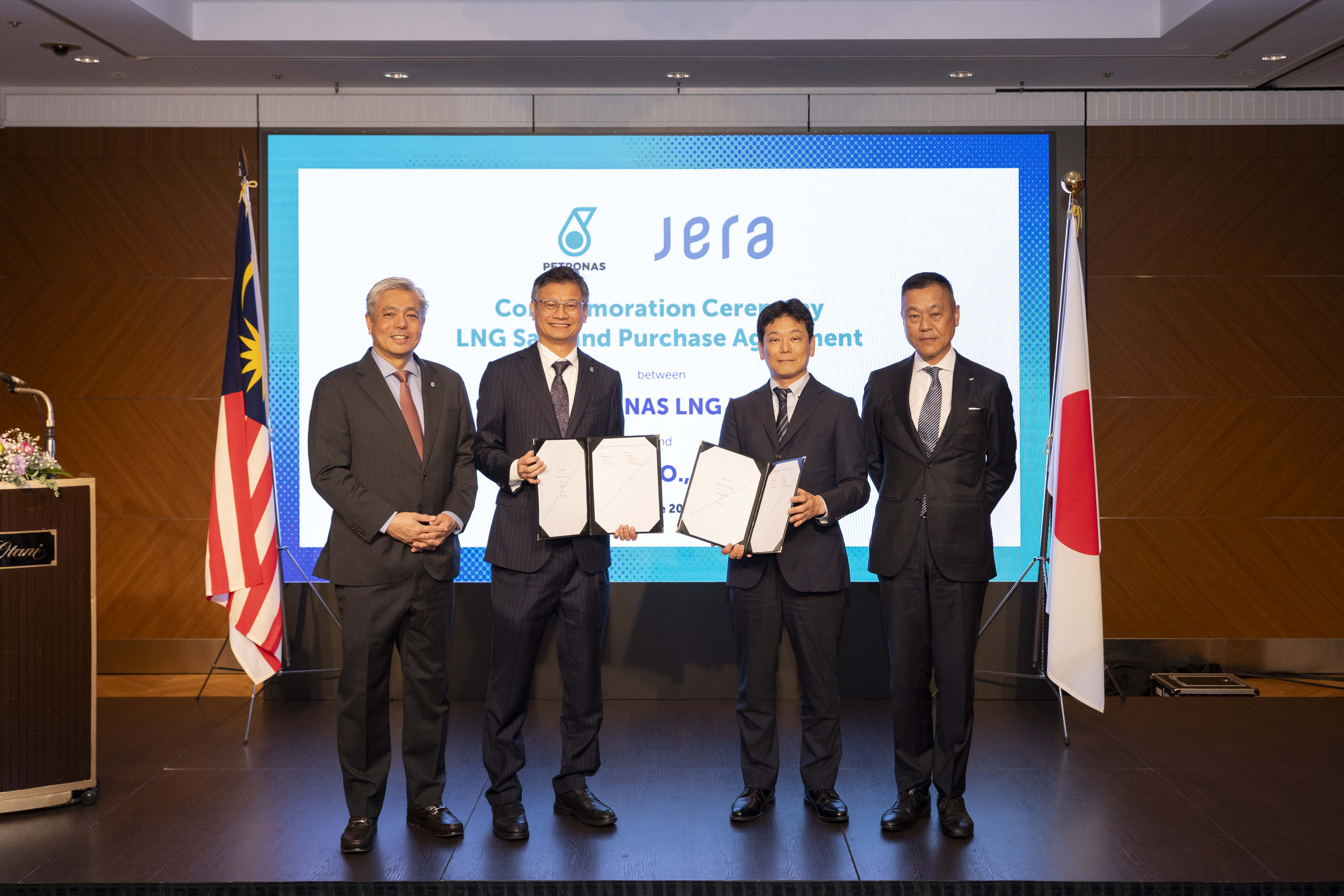
Japan and Korea make the cross-market signal clearer. JERA announced on June 10 that it signed an LNG sale-and-purchase agreement with PETRONAS LNG, reinforcing Tokyo’s preference for contract security before the market gets noisy again. Korea’s KOGAS terminal network underlines the same logic from a different angle: storage and receiving flexibility are strategic assets when Europe is rewriting the import map. If Europe pulls more Atlantic-basin LNG toward itself, Asian buyers with strong contracting and terminal optionality are in a better position than buyers who rely too heavily on the spot market.
My cautious view is that traders are right to take this seriously, but wrong if they treat it as an automatic replay of the 2022 energy shock. Europe’s political decision is real, yet the market backdrop is different now. U.S. export growth is broader, Asian buyers are more disciplined about contracts, and the infrastructure base is stronger. That should keep this from becoming a straight-line panic bid. But it can still raise basis volatility, shipping premia, and the value of flexible portfolios.
The practical signal is that LNG is trading more like optionality again. Europe is trying to buy security, the United States is trying to sell flexibility, Japan is trying to lock in reliability, and Korea is trying to preserve receiving-room and storage leverage. That mix can keep LNG-linked equities, shipping names, and gas-sensitive futures spreads in focus, even if outright prices do not explode.
Risk notice: This article is for market commentary and information only. It is not investment advice, not a recommendation to buy or sell any asset, and not a guarantee of future results. Stocks, futures, commodities, currencies, and crypto-linked assets can be volatile, and energy markets can react sharply to policy changes, weather, shipping disruptions, and supply-demand surprises.
Sources:
European Commission: EU agrees to permanently stop Russian gas imports and phase out Russian oil
Cheniere: substantial completion of Train 6 at Corpus Christi Stage 3
JERA: LNG sale-and-purchase agreement with PETRONAS LNG
KOGAS: LNG terminal network overview
原创文章,作者:financial transaction,如若转载,请注明出处:https://www.fanbi.net/archives/457