New crypto traders often ask which market is best: spot, futures, or perpetual futures. The better question is what job the trade is supposed to do. Binance Academy describes spot trading as buying and selling crypto for immediate delivery, while futures markets use contracts tied to future price exposure. Coinbase explains that perpetual futures let traders speculate on crypto price movement without owning the underlying asset and without an expiration date.
Spot is usually the cleanest workflow for users who want direct exposure, withdrawals, on-chain use, or a simpler risk profile. The trade can still lose money, but there is no funding payment, forced liquidation from leverage, or contract expiry to manage. The main operational checks are pair liquidity, fees, custody choice, deposit and withdrawal status, and whether the asset can actually be transferred on the network the user needs.
Traditional futures are contracts with expiry or settlement mechanics. CME’s bitcoin futures materials emphasize regulated futures and options as tools for managing bitcoin exposure. This structure can suit hedgers, institutions, or traders who want standardized contract terms, but it adds contract size, margin, calendar, and roll considerations. A trader must know when the contract settles and whether the position is meant to be held, rolled, or closed before expiry.
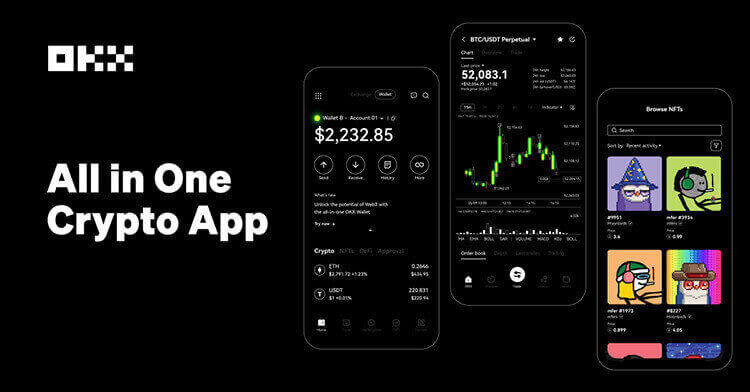
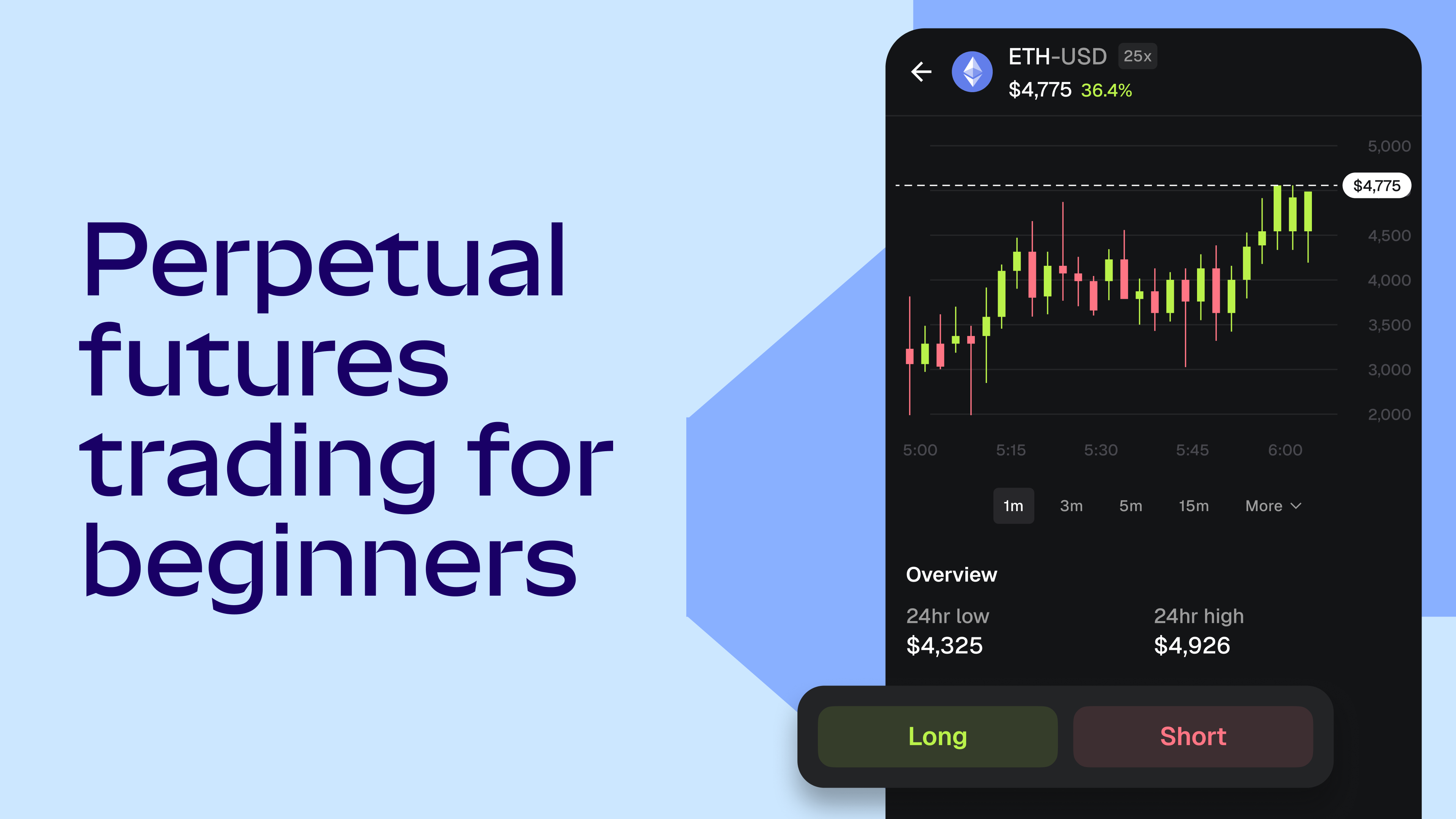
Perpetual futures are the crypto-native middle ground: no expiry, easier long or short access, and often high leverage. The extra flexibility comes with funding rates, mark price mechanics, liquidation thresholds, and margin management. OKX and Coinbase education pages both stress that perps provide price exposure without owning the asset. That is useful for hedging or short-term speculation, but dangerous when a trader treats leverage as extra buying power rather than borrowed risk.
A simple decision tree helps. Use spot when you need ownership, transfers, or lower operational complexity. Consider dated futures when you need a regulated contract, a hedge over a defined time window, or institutional-style exposure. Use perpetuals only when you can monitor margin, funding, liquidation price, and order controls. If those terms are unclear, the product is probably too complex for the next trade.
Risk notice: Futures and perpetual contracts can magnify losses and may liquidate positions quickly. Spot crypto also remains volatile and can lose substantial value. This guide is educational and does not recommend opening any specific trade.
Sources: Binance Academy spot trading guide; Coinbase Learn on perpetual futures; OKX Learn on perpetual swaps; CME bitcoin futures overview; MetaMask beginner perps guide.
原创文章,作者:financial transaction,如若转载,请注明出处:https://www.fanbi.net/archives/901