Before a trader chooses 3x, 5x, or 20x leverage, the more important question is often cross margin or isolated margin. The setting controls which collateral can be used to support a crypto futures or perpetual position, and it changes how a bad trade affects the rest of the account.
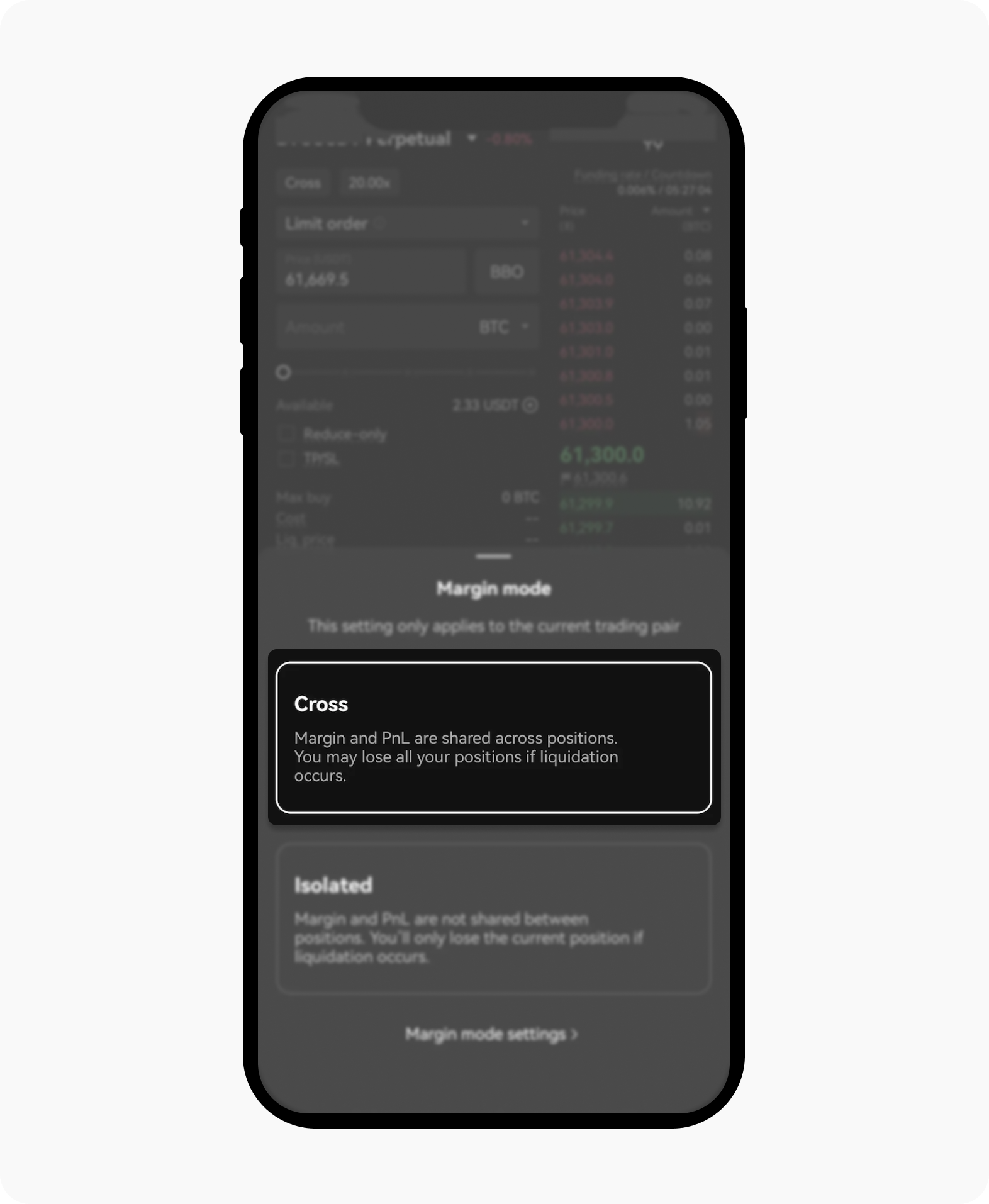
OKX explains cross margin as a mode where positions under the same margin asset share a unified margin balance. That can make capital use more flexible and may help a position survive ordinary volatility, because available margin is pooled. The trade-off is that losses from one position can reach more of the account balance tied to that margin asset.
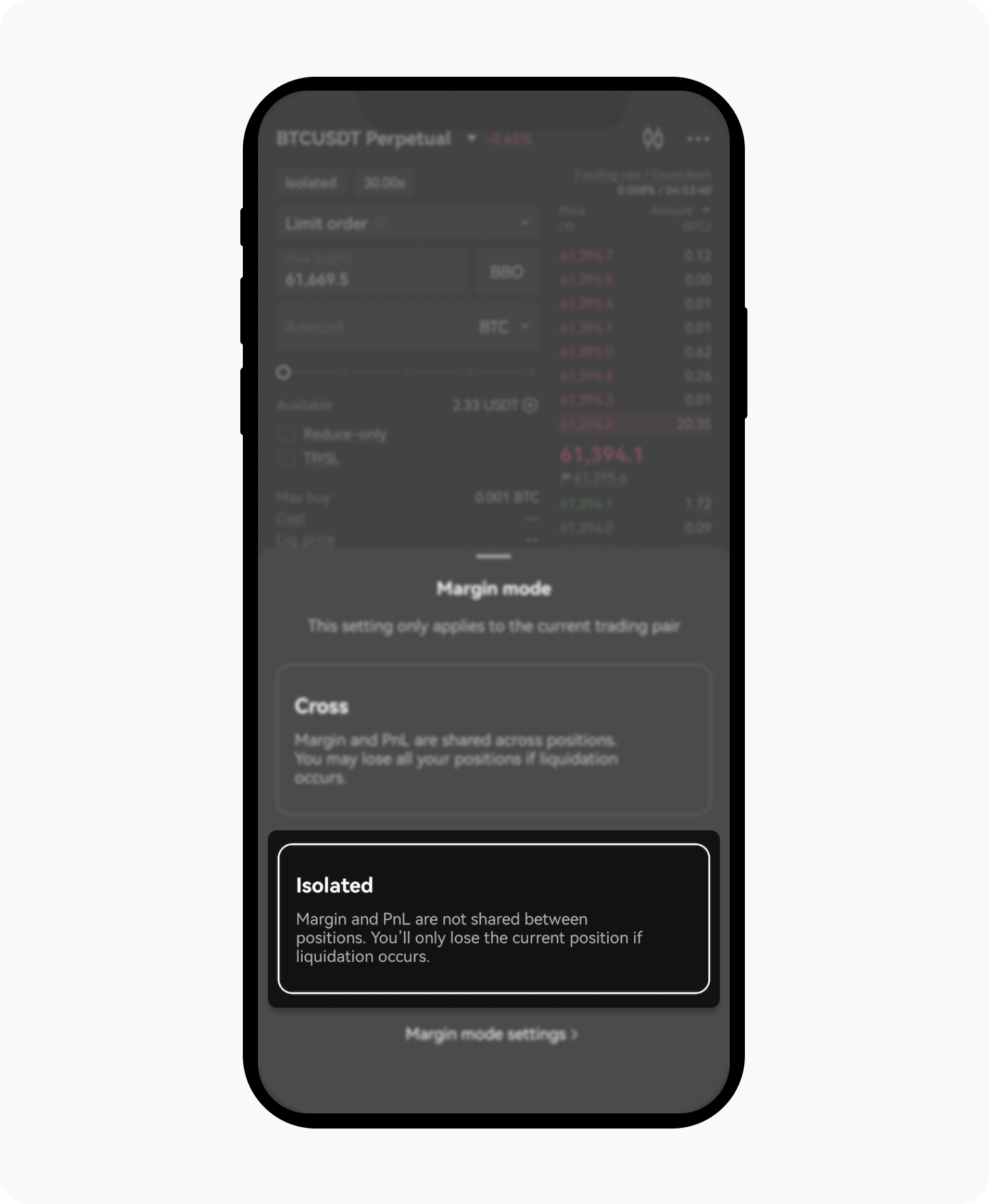
Isolated margin works differently. OKX describes isolated mode as limiting the position margin to the assets allocated to that position. During liquidation, the maximum loss is confined to the margin of that specific position. For newer traders, that boundary can be useful because a single trade is less likely to consume collateral meant for other trades.
A practical decision rule is this: use isolated margin when the setup is experimental, event-driven, small-cap, or likely to gap; consider cross margin only when you actively monitor the account, understand correlation between positions, and want shared collateral to reduce accidental liquidation from normal noise. Cross margin is not automatically safer; it is more flexible and more connected.
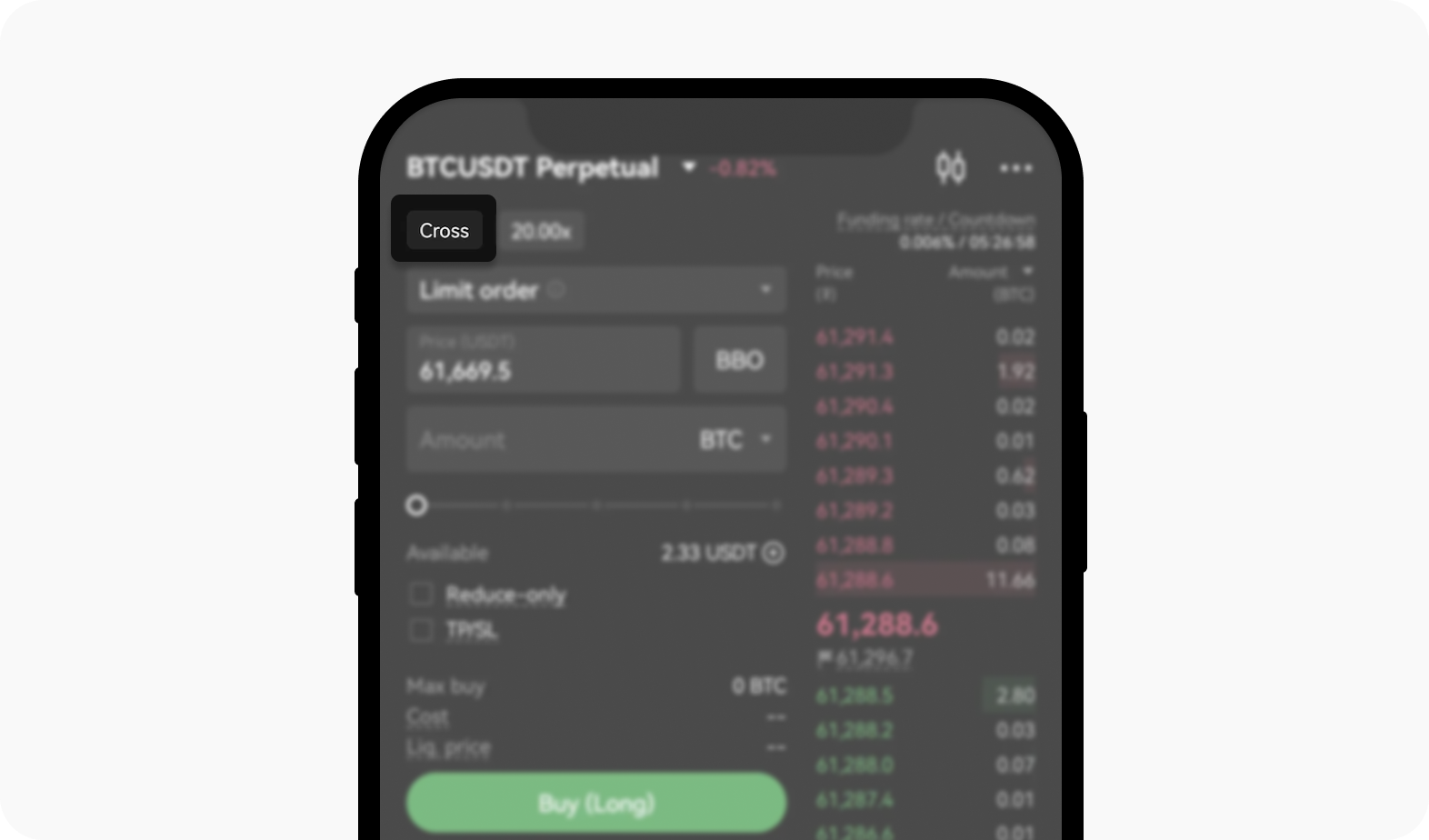
The app workflow should be slow on purpose. Open the futures or margin trading screen, locate the current margin-mode label, choose cross or isolated, set leverage after the margin mode is correct, then review order type, size, reduce-only status, TP/SL, and liquidation estimate. If a position is already open, many platforms do not allow switching mode directly, so the setting should be checked before entry.
Three common mistakes deserve attention. First, traders pick high leverage and only later notice the position is cross margin. Second, they hedge multiple contracts that are actually correlated, so cross margin spreads the same market shock through several positions. Third, they add collateral to delay liquidation without reducing the invalid trade idea. Margin mode helps control damage, but it does not fix a bad entry.
A disciplined checklist is simple: decide the maximum account percentage at risk, choose isolated for defined-risk trades, keep cross margin for portfolios you actively manage, avoid stacking correlated positions, set reduce-only exits, and write down the price where the idea is wrong. The goal is not to avoid every loss; it is to stop one loss from becoming an account-level problem.
Risk notice: This article is educational and is not investment advice or platform support. Futures and perpetual swaps use leverage and can cause rapid losses or liquidation. Always confirm the exact margin rules in your own exchange account before trading.
Sources: OKX guide to cross and isolated modes; Binance explanation of isolated and cross margin; MetaMask guide to cross versus isolated margin in perps.
原创文章,作者:financial transaction,如若转载,请注明出处:https://www.fanbi.net/archives/893