:max_bytes(150000):strip_icc()/TrailingStop-21d9b90828874e13ada7282217d8244d.jpg)

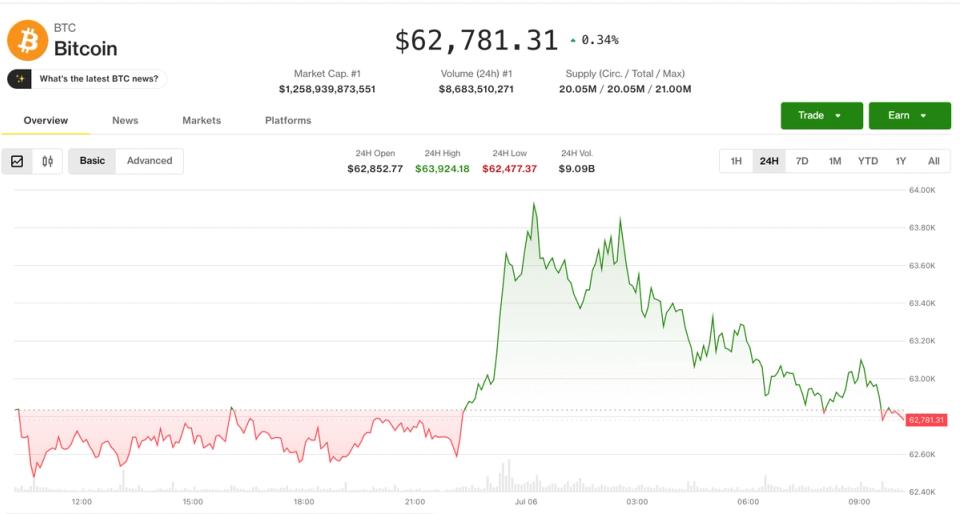
After a volatile crypto bounce, many spot traders face the same problem: they want upside exposure, but they do not want to stare at the app all day. This is where OCO and trailing-stop orders become useful. Binance Academy describes an OCO order as a linked pair of orders: one limit order for the profit-taking side and one stop-limit order for the risk-control side. If one executes, the other is canceled.
A practical OCO workflow starts with the position you already hold. For a spot long, set the take-profit limit above the current market and set the stop trigger below the current market. The stop-limit price should usually leave some room below the trigger, because a fast market can trade through a tight limit before the order fills. The mistake to avoid is placing two unrelated orders manually and forgetting to cancel the second one after the first fills.
Trailing stops solve a different problem. Binance’s trailing-stop FAQ says the trigger follows the market when price moves favorably, then stops moving if price reverses. Investopedia similarly frames trailing stops as a way to protect gains while allowing a trend to continue. The trade-off is sensitivity: a trailing delta that is too tight can be triggered by normal noise, while one that is too wide can give back too much profit.
Decision checklist: use OCO when you already know both your target and invalidation level; use a trailing stop when the market is trending and you want the exit to adjust as price improves; use a simple limit order when you only want a defined entry or take-profit. Always check the exchange’s exact order rules, minimum sizes and supported pairs before submitting the order.
Sources: Binance Academy OCO glossary; Binance Spot Trailing Stop FAQ; Coinbase Learn OCO explainer; Investopedia trailing-stop explainer; Binance.US OCO help-center article.
Risk notice: Order tools can reduce manual errors, but they do not remove market risk. Stop-limit orders may not fill in fast markets, trailing stops can trigger during normal volatility, and exchange outages or liquidity gaps can affect execution.
原创文章,作者:financial transaction,如若转载,请注明出处:https://www.fanbi.net/archives/966