
The AI trade is quietly widening again. After a week in which chip sentiment turned more fragile, the infrastructure argument did not disappear, it simply moved one layer down the stack. The new question is not only who gets the GPUs, but who can cool them, power them, and defend the economics of running them at scale. That is why data-center cooling, liquid-loop systems, and water-efficiency claims are starting to matter more to traders than they did a few months ago.
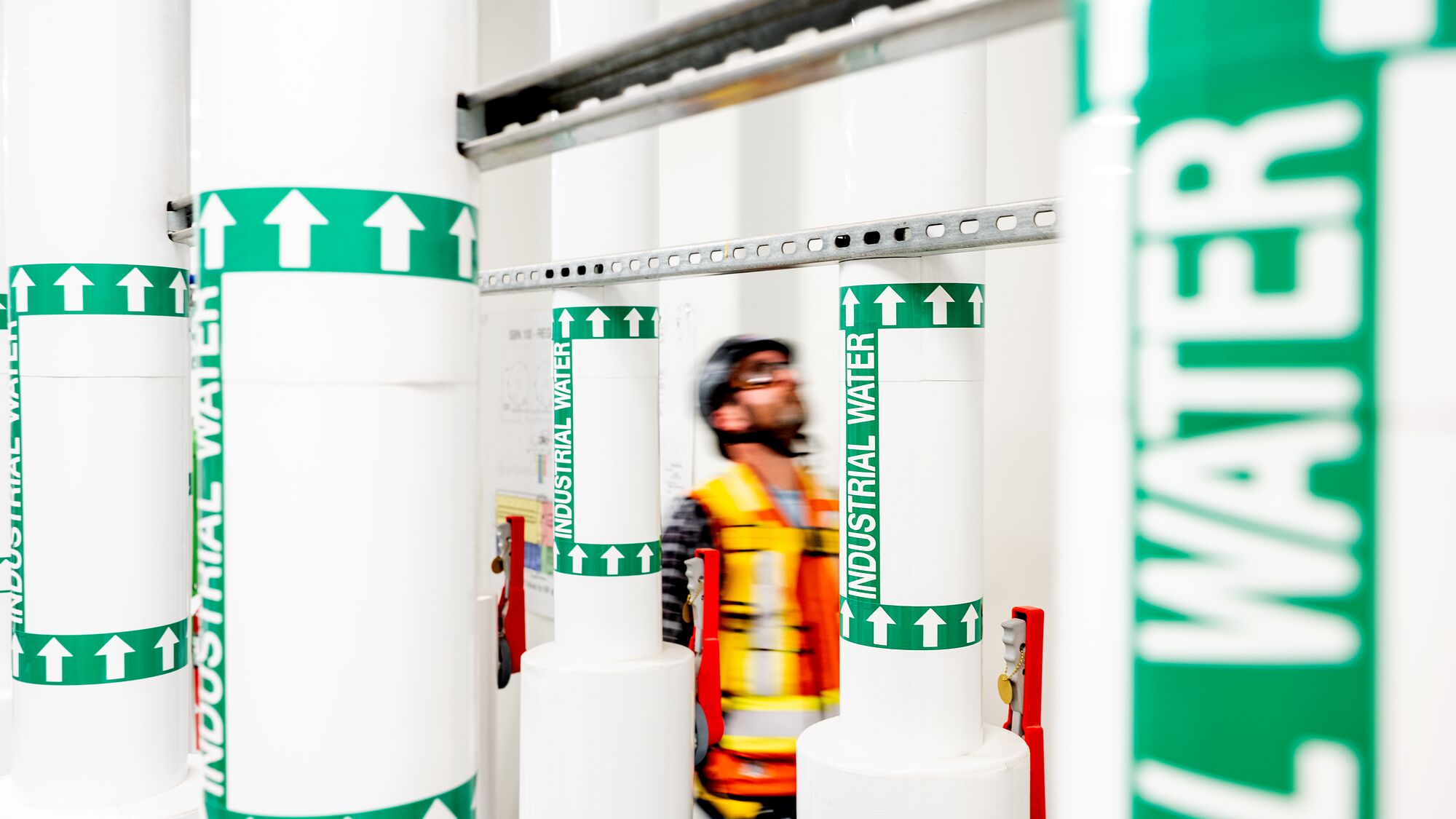
The freshest proof came on June 11, 2026, when Amazon published new water-use figures for its data centers and argued its fleet is seven times more water-efficient than the industry average. That is not a trivial sustainability footnote. It is an admission that the market and regulators now understand heat rejection and water draw as balance-sheet issues for AI infrastructure, not just engineering details. When hyperscalers feel compelled to quantify cooling efficiency in public, the message to the market is that thermal management is moving into the valuation debate.
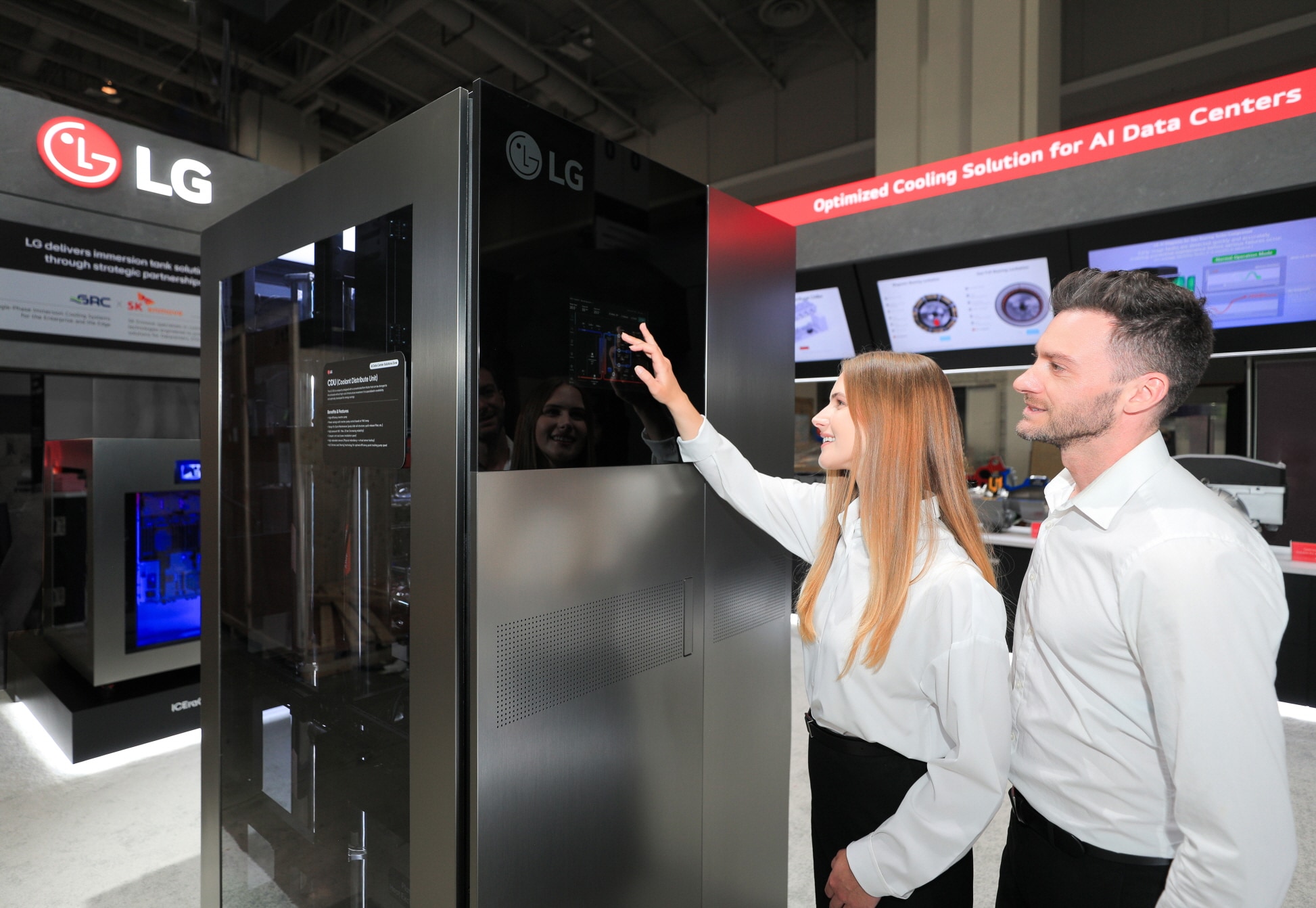
Korea and Japan are leaning into that shift from the equipment side. LG’s April Data Center World release showed it is selling a full chain that runs from direct-to-chip cooling to power-management software and DC-grid design, explicitly aimed at high-density AI facilities. Panasonic’s March launch in Europe took the same message in a more industrial form, opening orders for liquid-cooling CDUs and free-cooling chillers for generative-AI data centers. Daikin, meanwhile, used its April Frankfurt preview to frame cooling as a reliability and lifecycle question, not just an HVAC sale. Put differently, listed names in Korea and Japan are trying to capture the less glamorous but potentially stickier part of the AI capex cycle.
Europe matters here because it is where energy efficiency and operating constraints are being treated as a design requirement rather than a nice-to-have. Free-cooling, lower-GWP refrigerants, and tighter control systems fit the European policy environment, but they also create a cross-market signal for U.S. investors: if AI keeps scaling, the winners may not be only the chipmakers and cloud landlords. Some of the better risk-adjusted upside may sit with the companies selling the pumps, chillers, controllers, and cooling architectures that allow those expensive servers to stay productive.
My view is that this is one of the more credible second-leg AI trades because it is tied to physics, not just narrative. Compute density keeps rising, and heat does not care about stock-market storytelling. That does not mean every cooling name becomes a clean winner. It does mean traders should stop treating thermal management as a side note. Across the U.S., Europe, Japan, and Korea, the market is beginning to price an uncomfortable reality: the AI boom does not scale smoothly unless cooling, water, and power losses improve at the same time.
Risk notice: This article is for market commentary only, not personalized investment advice. AI-infrastructure, industrial, HVAC, utility-adjacent, and semiconductor-linked stocks can be volatile, and sentiment can reverse quickly if capex plans, energy prices, regulation, or technology choices change.
Sources:
Amazon: Amazon’s data centers are 7x more water-efficient than the industry average (June 11, 2026)
LG Electronics: AI Data Center Cooling Solutions at Data Center World 2026 (April 21, 2026)
Panasonic: Liquid Cooling Systems Business for Generative AI Data Centers in Europe (March 4, 2026)
Daikin Applied Europe: Cooling Solutions for Next-Gen Data Centers (April 8, 2026)
Reuters/Investing.com: Trading Day: When the chips are down (June 9, 2026)
原创文章,作者:financial transaction,如若转载,请注明出处:https://www.fanbi.net/archives/380