Oil traders were quick to fade the latest Middle East panic, but shipping operators are moving more slowly than futures screens. That gap is why the Strait of Hormuz story still matters for markets on June 26: crude stopped behaving like a worst-case supply shock, yet the companies that actually move barrels and containers are still talking about security coordination, vessel timing, and cautious routing.
Reuters reported this week that oil prices finished lower as investors focused on whether flows through Hormuz were holding after peace-talk headlines. In other words, the first leg of the trade was a classic relief move in Brent and WTI. But relief in futures is not the same thing as operational normality, and that distinction is where the next market signal sits.
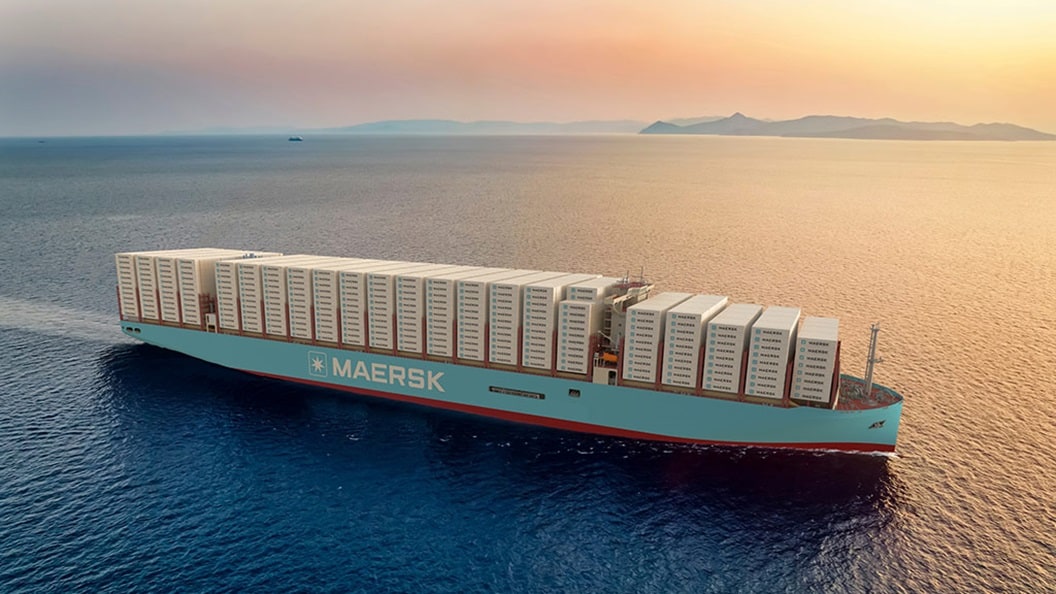
Maersk said on June 25 that the Maersk Baltimore and one time-chartered vessel successfully exited the Persian Gulf only after close coordination with security partners and detailed assessments. That is not the language of a market that feels fully repaired. Maersk’s June 26 Middle East operational update also showed emergency surcharges and contingency language still sitting in the system, which matters for Europe-facing freight expectations even if outright disruption fears have cooled.
The Korean angle says the same thing from a different direction. Yonhap, citing the maritime ministry on June 26, said eight more South Korean-operated vessels exited Hormuz, while dozens of Korean-linked ships were still in nearby waters. That sounds less like a clean reopening and more like a gradual queue unwind. For refiners, shippers, and petrochemical names, that kind of staggered normalization can keep freight and inventory decisions jumpy even when headline oil prices settle down.
Japan adds another layer. Yahoo Finance highlighted comments from MOL’s CEO that ships may avoid comfortable Hormuz transits for weeks even after the U.S.-Iran deal. That matters because Japanese energy importers and tanker operators care less about one-day oil volatility than about whether insurance, crew safety, and scheduling confidence truly return. If that confidence lags, the market impact travels beyond crude into tanker equities, refinery margins, and even inflation-sensitive transport names.
The cross-market signal is straightforward: the panic bid in oil can fade faster than the cost friction in shipping. That usually creates a more selective tape. Broad energy futures may calm down, but Europe-linked logistics operators, Asian tanker names, refiners, marine insurers, and even airline or chemical stocks can keep reacting to every incremental update on escorts, surcharges, and vessel flows. Traders are no longer asking only whether Hormuz is open. They are asking whether it is comfortably tradable.
My cautious view is that this is no longer a pure oil-spike story. It is becoming a market-structure story about how long operational fear survives after headline fear fades. If the waterway keeps functioning, the upside for emergency oil pricing should keep shrinking. But if security premiums, route hesitation, or delayed sailings linger into July, the better read-through may sit in freight-sensitive equities and margin dispersion rather than in crude alone.
Risk notice: This article is for market commentary and information only. It is not investment advice, not a recommendation to buy or sell any asset, and not a guarantee of future performance. Geopolitical headlines can reverse quickly, and shipping, energy, currency, and equity markets may react in ways that are sudden and nonlinear.
Sources:
Yahoo Finance: Tanker Giant Expects Weeks Before Ships Comfortably Cross Hormuz Again
Maersk: Maersk Baltimore and time-charter vessel exit the Persian Gulf
Maersk: Middle East Operational Update 37
Yonhap: 8 more S. Korean-operated vessels exit Strait of Hormuz
原创文章,作者:financial transaction,如若转载,请注明出处:https://www.fanbi.net/archives/440