Small modular reactors are starting to trade like a real supply-chain theme instead of a distant energy-policy promise. The immediate catalyst this week was the June 3 follow-up from Seoul, where South Korea and the United States discussed a timeline for further nuclear cooperation talks, including uranium enrichment, spent-fuel reprocessing for peaceful purposes, and Seoul’s nuclear-powered submarine ambitions. That headline matters for traders because it keeps nuclear industrial capacity, fuel-cycle politics and export controls on the screen at the same time.
The more interesting signal is that Europe and the Anglo-American side are no longer talking only in abstractions. Britain formally signed its contract with Rolls-Royce SMR in April to start technology design for the UK’s first small modular reactors, and Rolls-Royce SMR said on May 27 that it had lined up Skoda JS and Doosan Enerbility for key nuclear-island component work. That is the kind of detail equity markets tend to respect: named suppliers, long-lead components, and manufacturing-readiness language instead of generic promises about decarbonization someday.
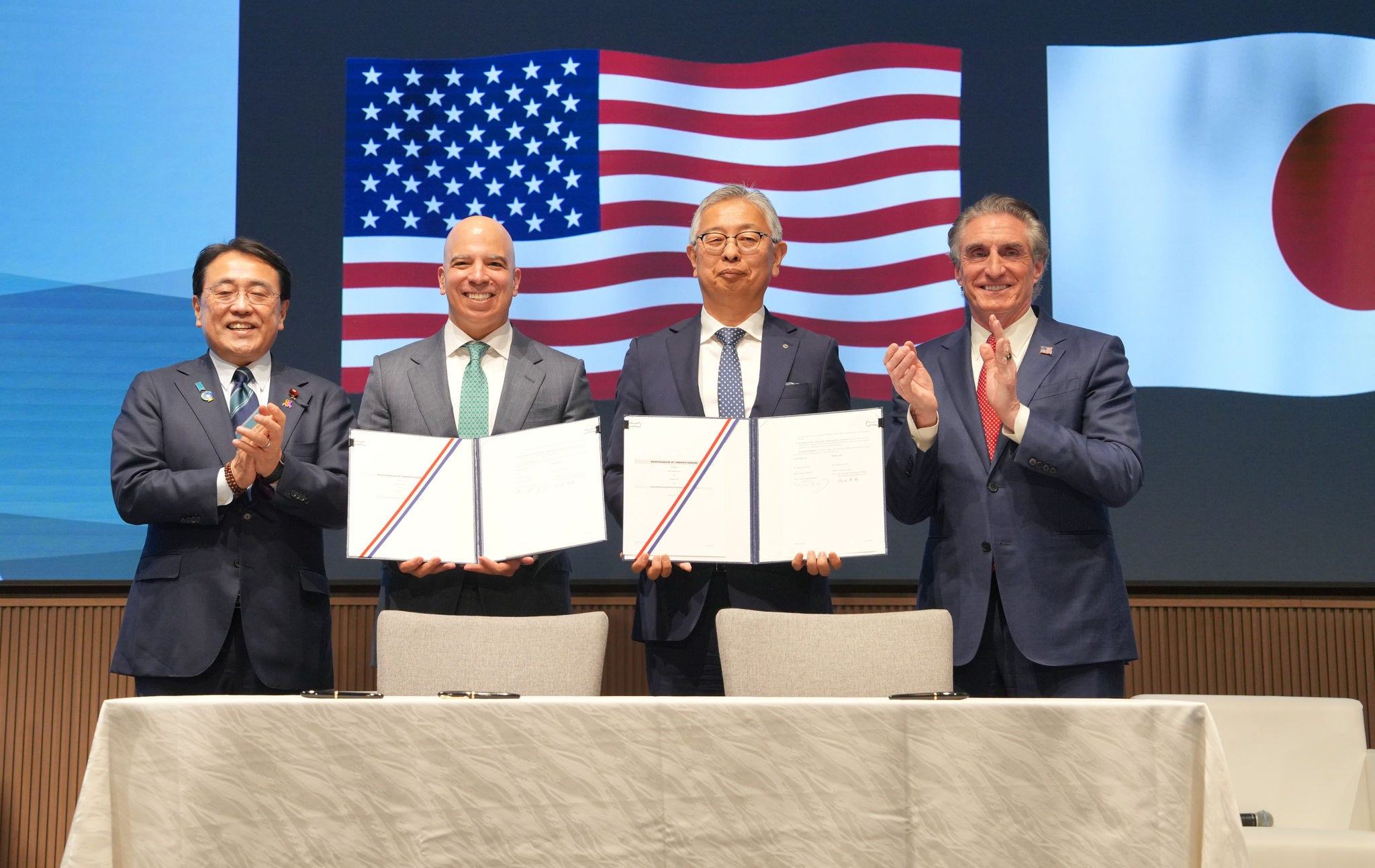
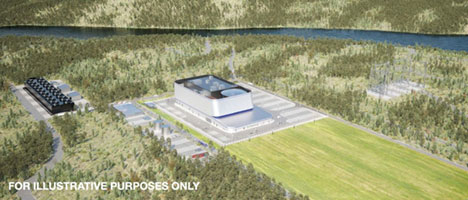
Japan’s role gives the theme more depth than a single UK stock story. Hitachi and GE Vernova said in March that they would explore BWRX-300 deployment opportunities while incorporating qualified Japanese suppliers, and the U.S. Nuclear Regulatory Commission says TVA’s Clinch River BWRX-300 application remains under active review with a safety-review target in November 2026. Put together, that suggests the U.S. design, Japanese supplier base, Korean heavy-manufacturing capacity and European deployment ambition are beginning to connect into one tradable map.
My cautious view is that this is not yet a clean volume story, and traders should not confuse contract headlines with near-term earnings certainty. SMR valuations can still outrun the actual build schedule, licensing timelines remain long, and political sponsorship can reverse fast when budgets tighten. But the tone has changed: if the market keeps rewarding firms that sit in the reactor-vessel, turbine, controls, and project-delivery layers, it is because nuclear is being repriced as industrial capacity with geopolitical sponsorship, not just as a green-transition talking point.
Risk notice: This article is for market commentary only, not personalized investment advice. Nuclear and SMR-related stocks can be highly volatile, policy-sensitive, and exposed to licensing, cost-overrun, geopolitical, and supply-chain risks.
Sources: Reuters via MarketScreener on the June 3 U.S.-Korea nuclear talks; Great British Energy – Nuclear and Rolls-Royce SMR sign contract; Rolls-Royce SMR supplier announcement; Hitachi and GE Vernova BWRX-300 cooperation announcement; European Commission SMR strategy; U.S. NRC Clinch River application page.
原创文章,作者:financial transaction,如若转载,请注明出处:https://www.fanbi.net/archives/273