One of the most interesting developed-market trading stories this week is not a meme stock or a hot earnings beat. It is market plumbing. Reuters reported on June 26 that South Korea will move into a 24-hour won trading cycle from July 6, with banks trialing the system from Monday. That sounds technical, but traders are paying attention because currency market structure often changes capital flows before it changes headlines.
The reason this matters is simple. Korea is trying to turn the won from a domestically managed trading instrument into a currency global investors can access, hedge, and price around the clock. Reuters described the shift as part of Seoul’s push for MSCI’s coveted developed-market designation. Korea’s Ministry of Finance and Economy has been framing the same reform more broadly as foreign-exchange and capital-market reform designed to improve accessibility for global investors and support a Korean market premium. In other words, this is not a one-day operational tweak. It is a reputation project.
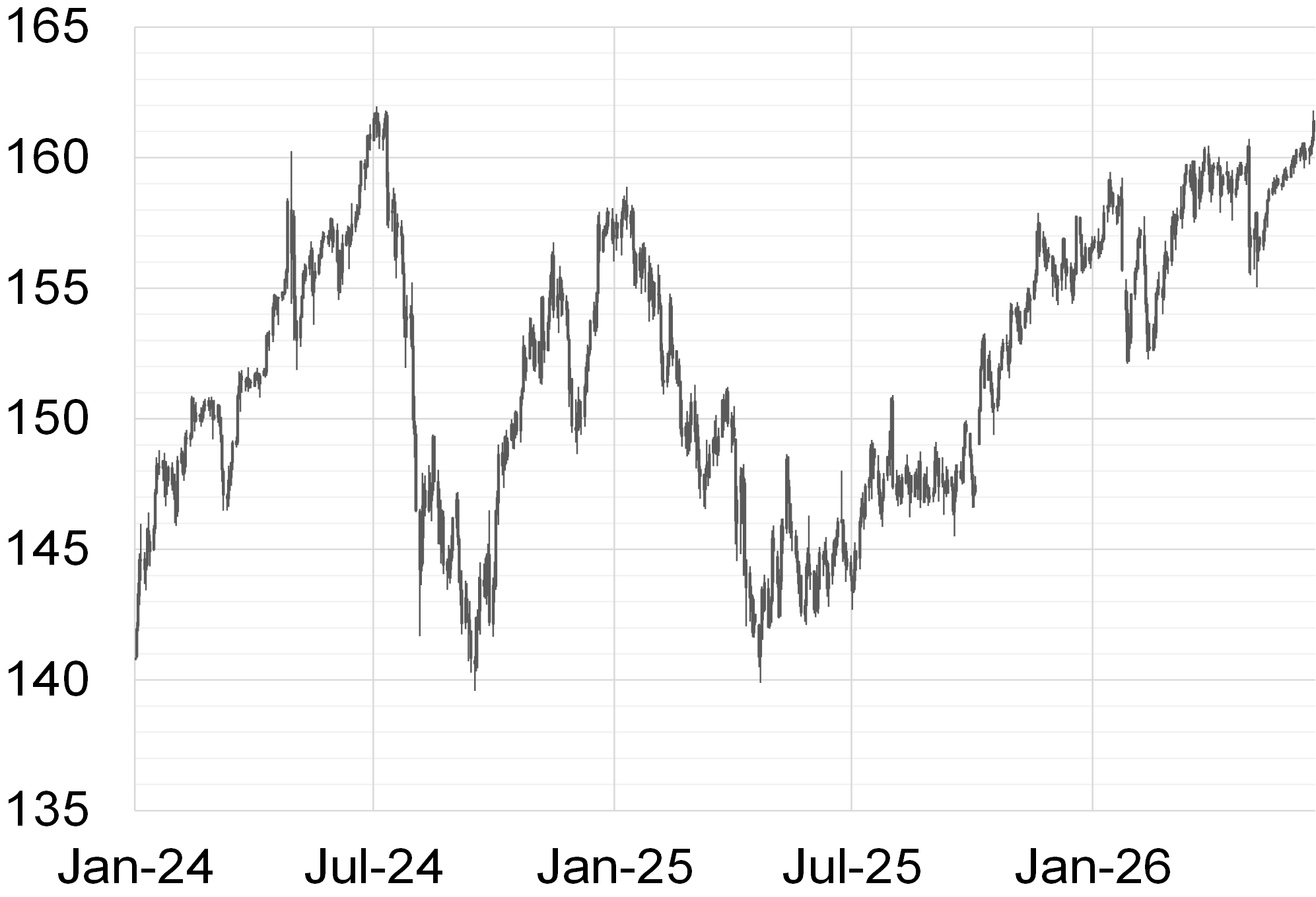
Why are traders in Japan, Europe, and the United States watching a Korea-specific FX reform? Because the timing is sharp. Reuters noted that Korea only extended won trading to 2 a.m. two years ago to capture the London market, and now it is going fully around the clock. At the same time, the yen remains a live macro signal for all Asian risk assets. MUFG’s June 22 JPY weekly note said USD/JPY moved above 160.50 after a hawkish Federal Reserve tone outweighed the Bank of Japan’s rate hike, underscoring that the dollar is still setting the rhythm for regional currencies even when local central banks tighten. The won’s new trading window arrives into that exact environment.
That is why I think the market is discussing this less as a pure Korea story and more as a test of Asia’s next layer of financial internationalization. If the won becomes easier to trade in London and New York hours, Korea equities, bonds, and index futures become easier to own for offshore funds. If overnight liquidity is thin or price action becomes disorderly, the reform could expose the gap between formal access and real market depth. Reuters quoted one market participant saying 24-hour trading could improve the liquidity scheme. That is the bull case. The bear case is that liquidity outside Seoul hours may be available just when stress is highest.
My cautious view is that this is structurally bullish for Korea’s capital-market ambitions but not automatically bullish for the won itself. A more accessible currency can attract longer-term foreign money, yet it can also transmit global shocks faster, especially when U.S. rates stay firm and the yen remains weak. Traders should watch not just headline launch dates, but also whether bid-ask behavior, offshore participation, and policy signaling actually improve after Seoul goes dark.
Risk notice: This article is for market observation only and is not personalized investment advice. Foreign exchange, bank, broker, exchange, and Korea-related assets can move sharply on central-bank policy, intervention risk, liquidity gaps, geopolitical headlines, capital-flow reversals, index-provider decisions, and sudden shifts in global risk appetite.
Sources:
Reuters via Yahoo Finance: Always-on won, dealers fret about risks in landmark shift to 24-hour trading
Ministry of Finance and Economy: Foreign Exchange and Capital Market Reform
MUFG Research: JPY Weekly, June 22, 2026
Bank of Japan: Foreign Exchange Rates (Daily)
TradingView / ForexLive: Korea confirms 24-hour dollar-won trading from July 6
TradingView community: recent USD/KRW trade ideas
原创文章,作者:financial transaction,如若转载,请注明出处:https://www.fanbi.net/archives/434