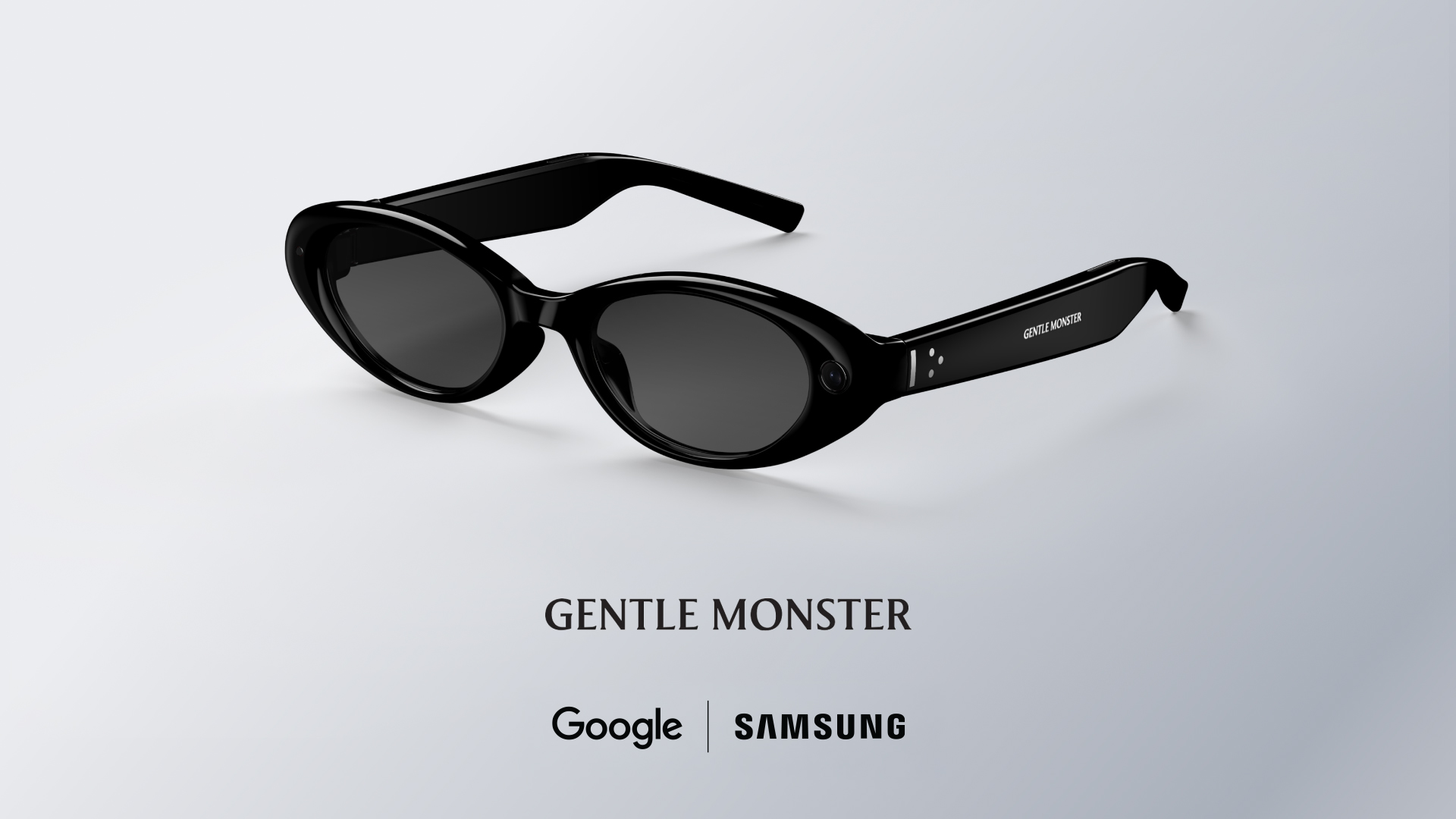
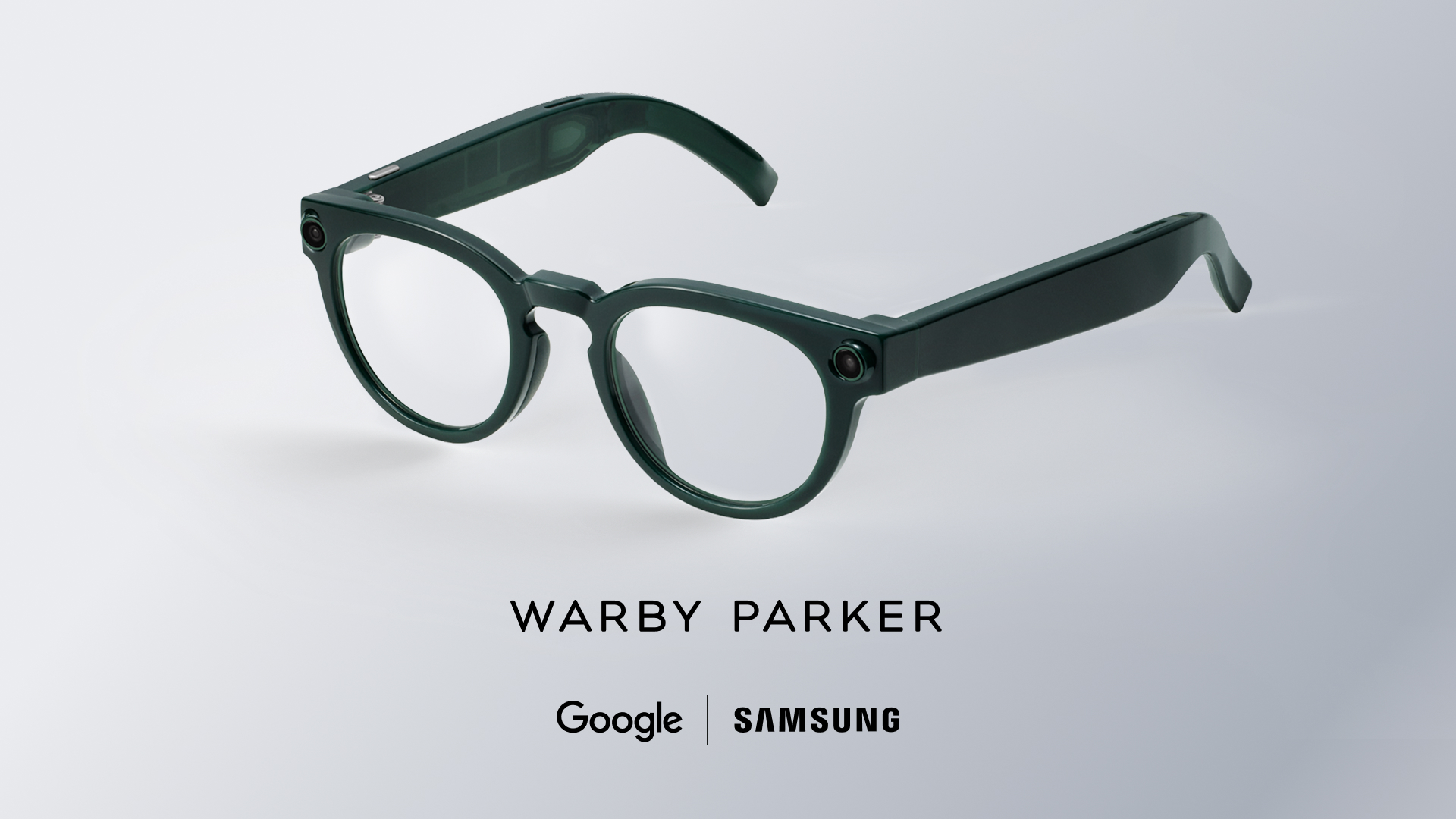

The market conversation has shifted from vague wearable-AI promises to a clearer hardware race. On May 19, Google said its Gemini-powered intelligent eyewear would launch first in audio-glasses form later this fall, and Samsung showed the first designs built with Gentle Monster and Warby Parker. The feature set is practical rather than futuristic theater: navigation, notifications, real-time translation, photo capture, and voice-driven tasks. That matters because markets usually rerate a category only after it starts to look like a real product cycle instead of a perpetual prototype.
Korea sits near the center of this trade. Samsung is the hardware anchor, and Gentle Monster gives the project a fashion partner that makes the form factor look commercially serious rather than engineer-led. The U.S. side is not just Google software; Warby Parker brings a distribution and eyewear-fit angle that helps explain why investors are talking about this as a consumer rollout, not merely an AI demo. In Europe, the conversation is turning from valuation to capacity. Reuters reported this week that EssilorLuxottica plans to start smart-glasses production in Italy by early 2027, which suggests the incumbent camp is treating the category as a manufacturing race, not a marketing experiment.
Japan is the underappreciated piece of the story. EssilorLuxottica and Meta said their AI-glasses portfolio is expanding into new regions including Japan, which means Japan is moving into the commercial footprint of this category just as Samsung and Google are trying to widen the competitive field. That gives traders a rare four-way signal at once: U.S. platform pressure, Korean hardware ambition, European production defense, and Japanese demand-side validation. The reason this is becoming ticker-relevant is straightforward. If smart glasses move from niche gadget to recurring upgrade cycle, value could spread beyond the obvious headline names into frames, optics, sensors, chips, batteries, and retail distribution.
Why is the market discussing it now? Because the competitive map is getting less concentrated. Yahoo Finance reported in late May that Samsung and Google's detailed reveal put pressure on Meta just as Apple was being framed as a coming rival, while Reuters-linked market coverage showed EssilorLuxottica shares easing as investors reassessed how defensible the current lead really is. That is the tell. Traders are no longer asking whether AI glasses exist. They are asking who captures the margin pool if the category broadens.
My view is that this is a credible next-leg AI hardware trade, but it is still early enough for sentiment to outrun unit economics. Real-time translation and hands-free AI are useful, yet usefulness does not automatically mean mass adoption. Battery life, comfort, privacy friction, pricing, and replacement cadence will decide whether this becomes a durable category or another over-owned AI accessory narrative. For now, the smarter read is that eyewear has graduated into a legitimate watchlist theme, not that every company touching the stack deserves an immediate rerating.
Risk notice: New-device categories can disappoint on adoption, margins, or regulation. This article is market commentary only and not personalized investment advice.
Sources:
Google Blog: Intelligent eyewear is coming this fall, May 19, 2026
Samsung Newsroom: Samsung and Google Give First Look at New Intelligent Eyewear, May 19, 2026
EssilorLuxottica: AI glasses portfolio expansion including Japan, May 2026
Reuters via TradingView: EssilorLuxottica to start smart glasses production in Italy by early 2027, June 2026
Yahoo Finance: Samsung and Google detail AI smart glasses, May 19, 2026
Yahoo Finance: EssilorLuxottica shares retreat as Google and Samsung step up competition, May 20, 2026
原创文章,作者:financial transaction,如若转载,请注明出处:https://www.fanbi.net/archives/390