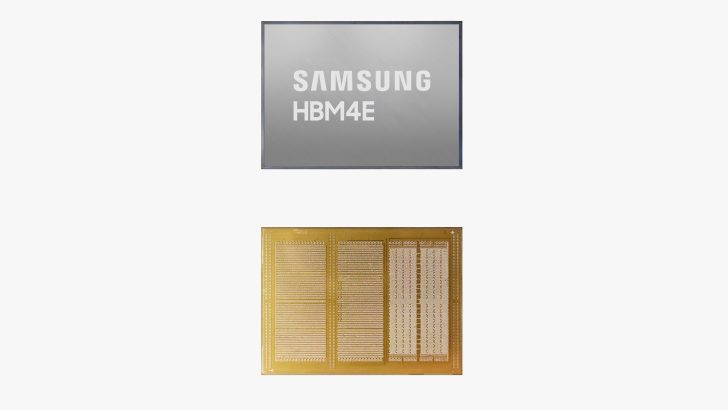
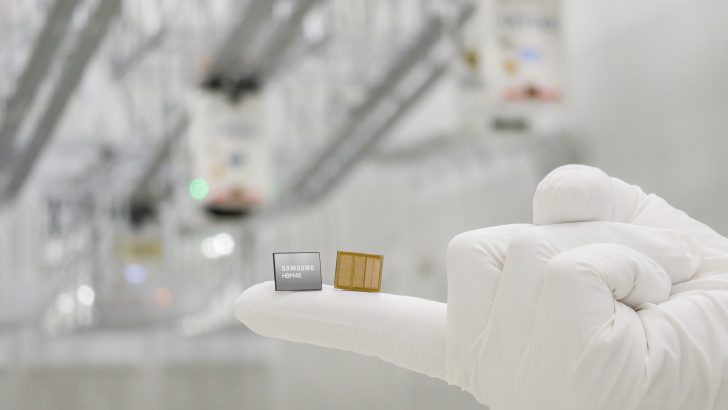

The market is sending a sharper message than the usual ‘tech is volatile’ shrug. What broke on June 8 was not the long-term AI infrastructure story itself. What cracked was the assumption that every AI-linked name could keep levitating regardless of rates, positioning, and valuation. That is a very different signal, and traders should treat it seriously.
The immediate trigger came from the United States. Reuters reported on June 8 that the Nasdaq had dropped 4.2% on Friday and semiconductor stocks took the brunt of the selling after a hotter U.S. jobs report pushed rate expectations higher. Broadcom became the psychological center of the move. Its June 3 results were not weak in absolute terms: the company said AI semiconductor revenue reached $10.8 billion in the quarter, up 143% year over year. Yet the stock still got sold hard. That usually means the market is no longer rewarding good numbers by default. It means crowding has become part of the story.
South Korea showed what that looks like when the theme is heavily concentrated. Yonhap reported that the KOSPI fell more than 8% shortly after the June 8 open, triggering a 20-minute halt, with Samsung Electronics and SK hynix leading losses. Korea has been one of the cleanest listed expressions of the AI memory and hardware trade, so when it trips the circuit breaker, traders should read that as forced de-risking rather than a random local wobble.
Japan matters for a different reason. Reuters said the Nikkei fell 3.5% in early trade as the U.S. selloff spilled across Asia. At the same time, SoftBank is still pushing the opposite side of the narrative in the real economy: on May 31 it announced plans to build 5 gigawatts of AI data center capacity in France, a commitment of up to 75 billion euros. That contrast is the whole point. Capital spending plans are still huge, but listed equity prices are starting to demand better entry points and less faith-based multiple expansion.
Europe is not outside this loop. SoftBank’s France buildout is a reminder that Europe is still competing for AI infrastructure sovereignty, while ASML said in its April 16 first-quarter release that AI demand remains a meaningful driver of customer investment and industry growth expectations. In other words, the physical buildout case is not dead. But the market is beginning to split the trade into two buckets: real capacity owners with durable bottleneck power, and momentum names that were simply riding the narrative.
My cautious view is that this looks more like an AI crowding unwind than the start of an AI collapse. The broad setup still supports data centers, advanced memory, lithography, and power infrastructure over a multi-quarter horizon. But the price action says traders can no longer pretend that ‘AI exposure’ is enough on its own. Rising yields, big upcoming IPOs, oil volatility, and stretched positioning are now part of the trade. That usually means lower-quality AI beta gets punished first, while the market starts asking who actually owns scarce capacity and who was just borrowing the story.
Risk notice: This article is for market commentary only, not personal investment advice. Semiconductor, AI infrastructure, and index-related trades can swing sharply with earnings reactions, interest-rate expectations, geopolitics, and liquidity conditions.
Sources:
Reuters on June 8 market selloff hitting Asia tech and semiconductors
Broadcom Q2 FY2026 results
Yonhap on the June 8 KOSPI trading halt
Samsung on HBM4E sample shipments
SoftBank on its France AI data center buildout
ASML Q1 2026 financial results
原创文章,作者:financial transaction,如若转载,请注明出处:https://www.fanbi.net/archives/335