
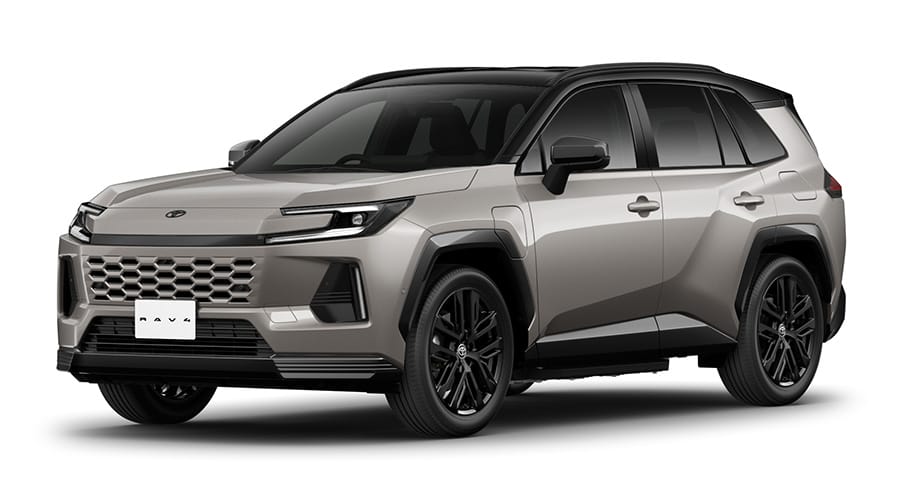
The market is circling back to a trade that looked boring during the pure-EV hype cycle: hybrids. What changed is not just consumer demand, but the way regional policy and factory decisions are starting to split the category into winners and losers. The bullish case is no longer simply “electrification.” It is that plain hybrids still look commercially durable, while plug-in hybrids are starting to face a credibility problem in Europe.
Japan remains the clearest anchor for the trade. Reuters reported on February 4 that Toyota plans to raise hybrid and plug-in hybrid output to about 6.7 million vehicles by 2028, with hybrids accounting for roughly 60% of production. That no longer looks like a defensive bridge strategy. It looks like Toyota doubling down on the powertrain mix that has kept it relevant while others chased more fragile EV volume assumptions.
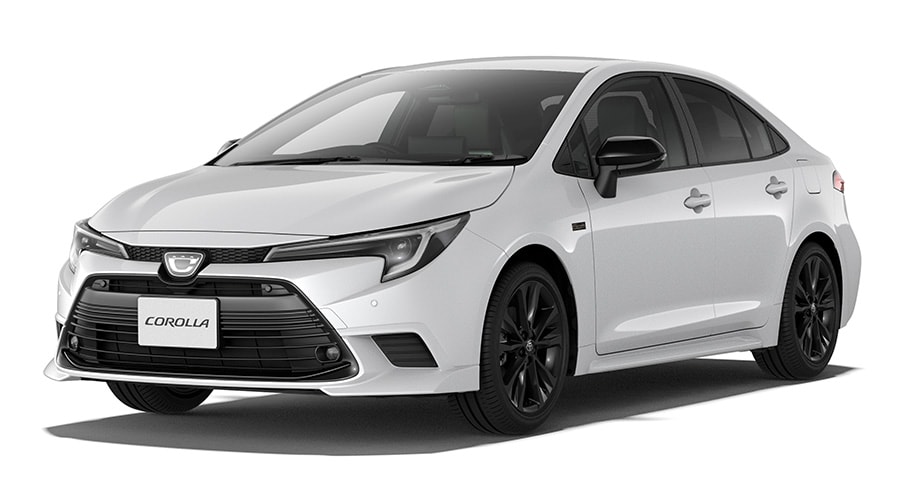
Toyota’s own May 12 release in Japan reinforces that point. The company updated Corolla Active Sport and Corolla Touring Active Sport and said its new Corolla-based driving-school vehicle is also available as a hybrid. That detail matters because it shows hybrids moving beyond halo models and into the kind of everyday fleet logic that tends to stick. When the training car is hybrid too, Toyota is signaling that the technology is operationally normal, not transitional window dressing.
The Korean and U.S. angle is just as important for traders. On June 2, Kia America and Hyundai Motor Group Metaplant America announced the start of production for the 2027 Kia Sportage Hybrid in Georgia, marking the first Kia model and the first hybrid electric vehicle built at that site. Kia’s separate June 2 Sportage release said the 2026 Sportage Hybrid is currently built in Korea while the 2027 model year begins U.S. assembly in mid-2026. That is a clear sign that Korean automakers see hybrid demand in North America as strong enough to localize, not just import.
Europe, though, is where the story gets more selective. A June 3 ICCT report found that the gap between real-world and official emissions for plug-in hybrids in Europe widened from 265% in 2021 to 400% in 2023 across manufacturers. The same report showed that official average CO2 values for new cars fell 28% between 2018 and 2023, while real-world emissions fell only 15%, with battery EVs doing most of the real work. A current Reddit discussion around the report makes the market tension obvious: investors and drivers are increasingly separating ordinary hybrids from PHEVs that may have benefited more from policy math than from real charging behavior.
My cautious view is that this is bullish for hybrid-heavy incumbents, but not equally bullish for every “electrified” label. Toyota’s position looks stronger because it never treated hybrids as embarrassing legacy tech. Hyundai and Kia also look better placed if they can keep using hybrids as a margin and localization story in the U.S. The weak point is Europe, where any future tightening of real-world emissions accounting could hit the valuation story for PHEV-heavy models harder than many investors expect. The hybrid trade is real, but it is becoming more discriminating.
Risk notice: This article is for market commentary only, not personalized investment advice. Auto shares can move sharply on tariffs, emissions rules, battery costs, fuel prices, consumer financing conditions, product recalls, and broad equity-market risk, so traders should do their own research and assess their own risk tolerance before taking positions.
Sources:
Reuters via Investing.com: Toyota plans 30% boost to hybrid output by 2028 (February 4, 2026)
Toyota Global Newsroom: Corolla Active Sport and Corolla Touring Active Sport updates in Japan (May 12, 2026)
Kia America: Start of 2027 Kia Sportage Hybrid production in Georgia (June 2, 2026)
Kia America: 2026 Kia Sportage Hybrid details and Korea-to-U.S. production shift (June 2, 2026)
ICCT report: Real-world CO2 values for cars in Europe (June 2026)
Reddit discussion: Plug-in hybrids in Europe emit five times more than officially reported (June 3, 2026)
原创文章,作者:financial transaction,如若转载,请注明出处:https://www.fanbi.net/archives/231