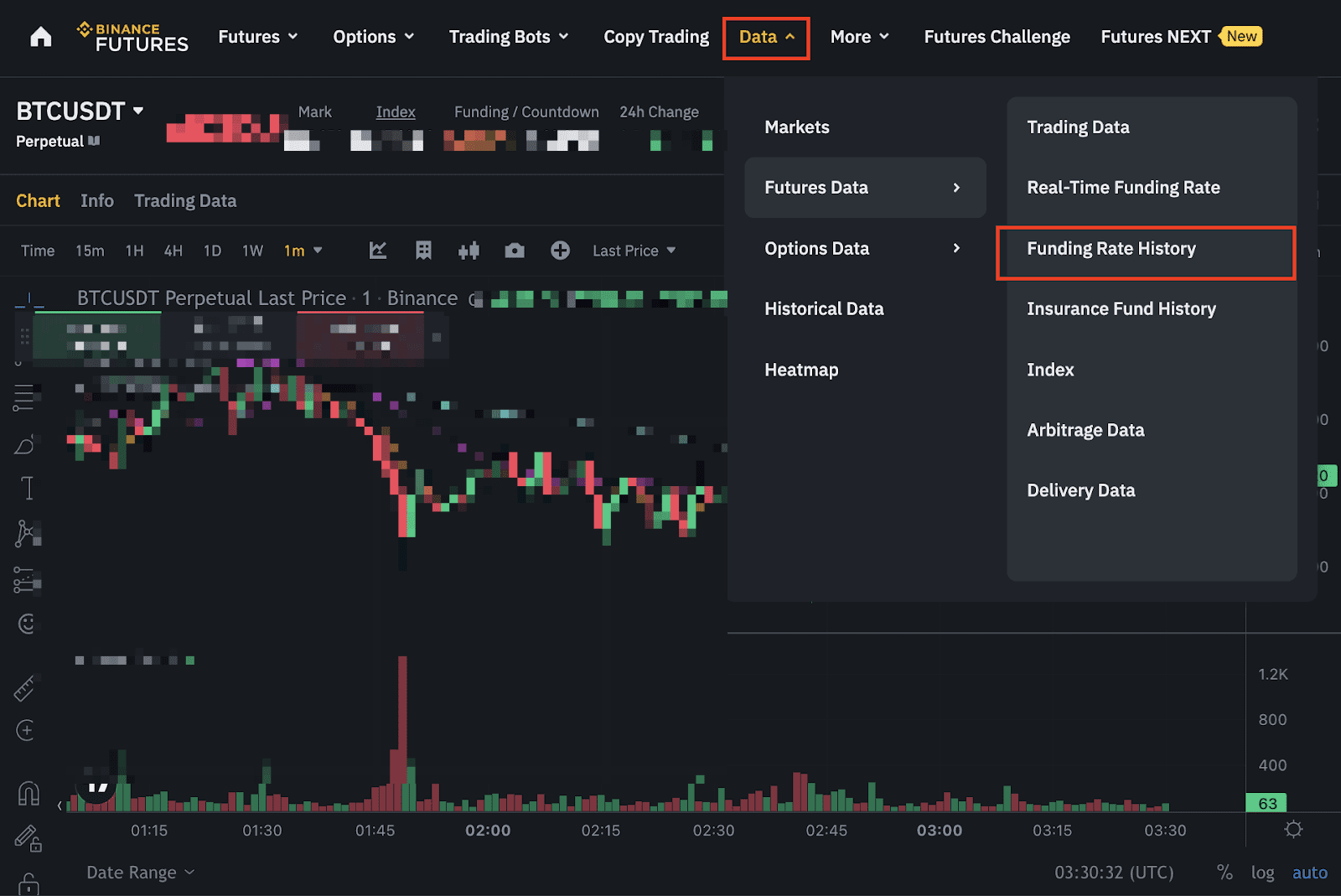
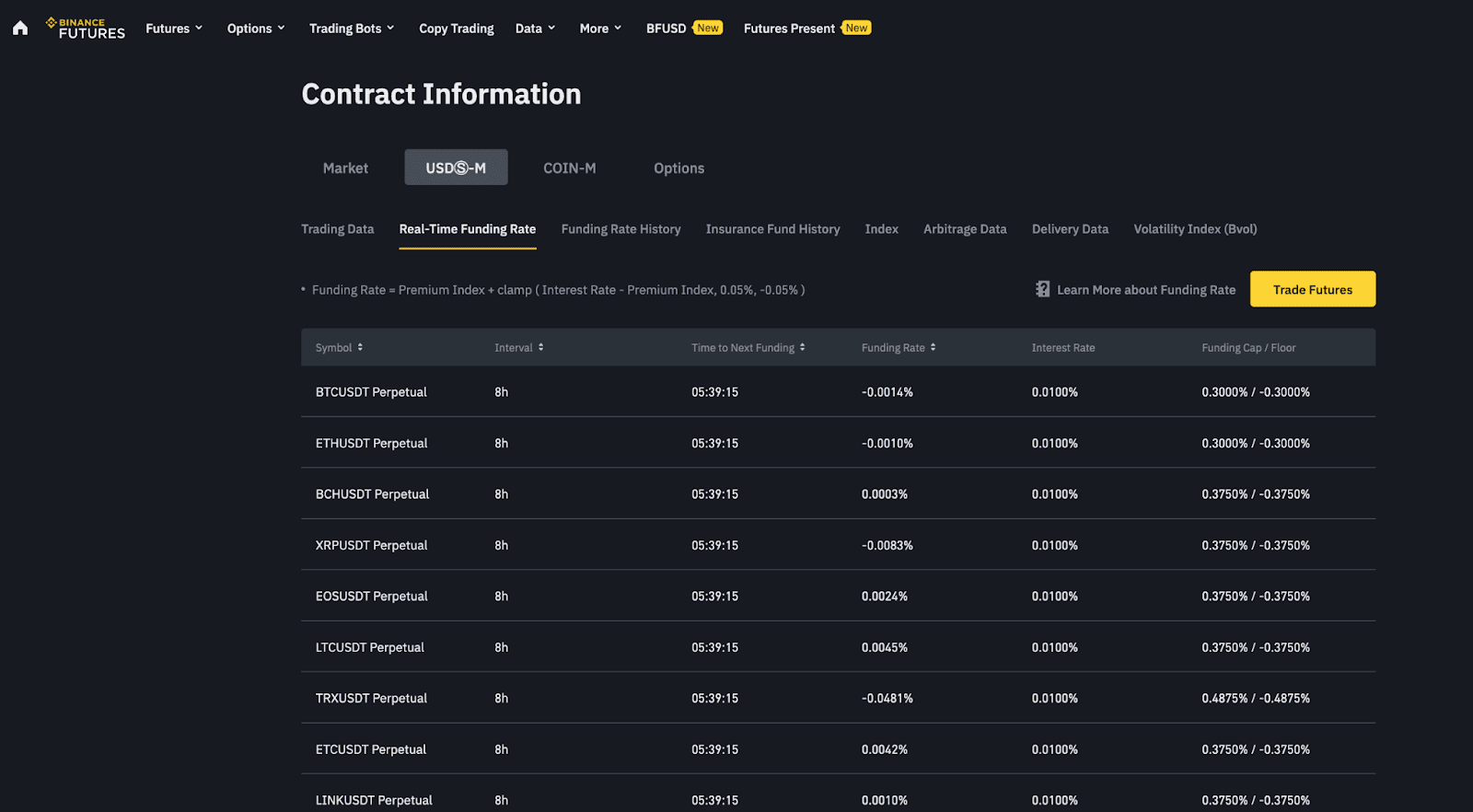
Perpetual contracts are popular because they have no expiry date and trade close to spot prices, but they are not just spot trades with extra buttons. Binance explains that funding rates are periodic payments between long and short holders, designed to keep the perpetual contract near the underlying spot index. Coinbase’s education page describes the same core idea: funding helps keep a contract without expiry aligned with the spot market.
Before opening a position, check three items. First, look at the current and next funding window. On Binance, the default funding interval is every eight hours for many contracts, and traders only pay or receive funding if they hold an open position at the funding timestamp. A position that looks profitable on price can still become unattractive if repeated funding payments are against you.
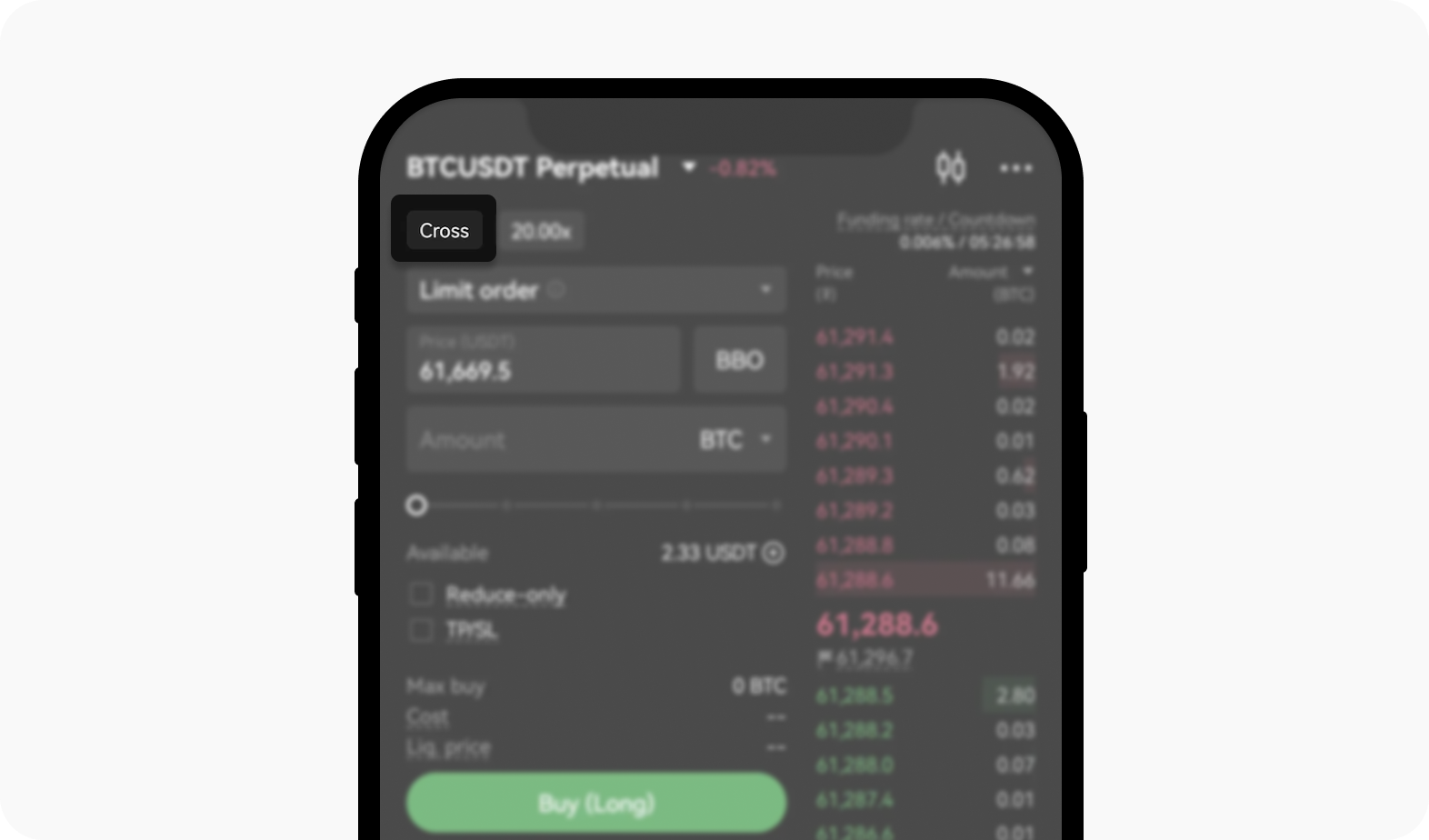
Second, choose margin mode deliberately. OKX’s help guide separates cross margin from isolated margin. In cross mode, available margin can be shared across positions, which may delay liquidation but can expose more account equity. In isolated mode, the margin assigned to one position is limited, which can contain loss but may liquidate faster if the trade moves sharply against you.
Third, treat leverage as a risk-control setting, not a target. A beginner does not need high leverage to learn contract mechanics. Start by estimating position notional, margin used, liquidation price, funding cost and the level where the trade idea is invalid. If the liquidation price is close to normal market noise, the position is too aggressive regardless of the direction view.
A simple workflow is: choose BTCUSDT or ETHUSDT first, inspect funding and mark price, use isolated margin for learning, keep leverage low, place a reduce-only exit when appropriate, and avoid holding through funding windows unless the cost is understood. The goal is not to maximize exposure; it is to make sure one wrong trade does not damage the whole account.
Sources: Binance: Introduction to Futures funding rates; Binance: real-time funding-rate page; OKX: cross and isolated margin modes; Coinbase: understanding funding rates.
Risk notice: Futures and perpetual contracts can produce rapid losses, including liquidation. This article is educational and is not personalized trading advice.
原创文章,作者:financial transaction,如若转载,请注明出处:https://www.fanbi.net/archives/954