Autonomous mobility is no longer trading like a distant concept stock basket. It is starting to trade like an execution story. The clearest new catalyst came on June 1, when Uber and Autobrains said they plan a robotaxi program in Munich built on NVIDIA DRIVE Hyperion, with Munich positioned as the first deployment city subject to regulatory approval. That matters because Europe has often looked like the slow lane for autonomy, yet Uber is now treating it like a real rollout market rather than a perpetual test bed.
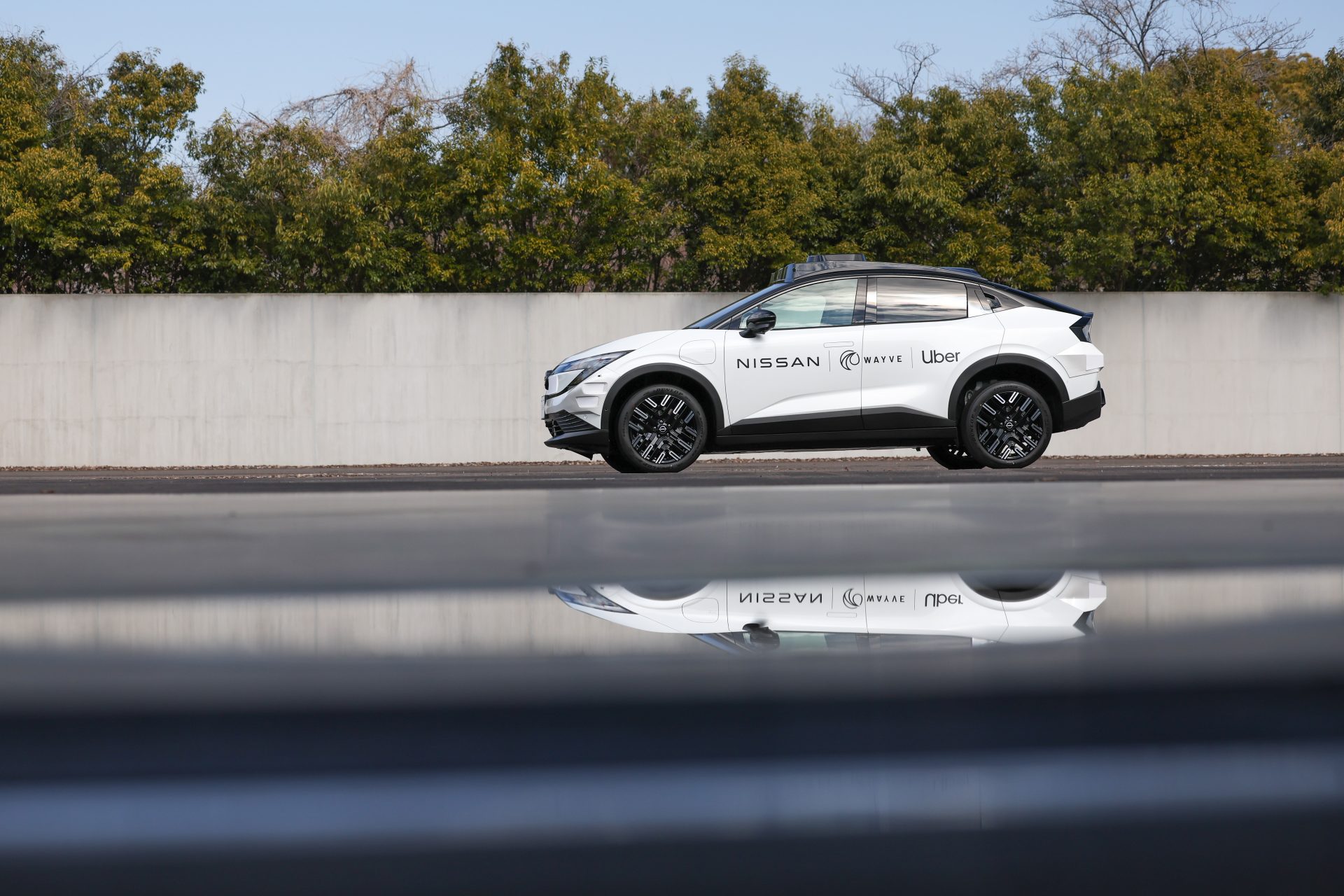
The United States already has the more commercial proof point. Reuters reported on March 13 that Uber and Hyundai-backed Motional launched a commercial robotaxi service in Las Vegas, with a fully driverless version targeted for late 2026. The same Reuters report also said Uber, Nissan and Wayve agreed on a pilot robotaxi launch in Tokyo by late 2026, marking Uber’s first autonomous-vehicle partnership in Japan. That makes the current setup more interesting than a single headline: the same network operator is building a repeatable playbook across the U.S., Europe and Japan.
South Korea fits into this cluster through the supply stack rather than the city rollout headline. Hyundai Motor Group said on March 17 that Hyundai, Kia and NVIDIA expanded their strategic partnership for autonomous driving, with the plan spanning Level 2 systems through Level 4 robotaxi capabilities at Motional. Traders should read that as a reminder that Korea is not just an EV manufacturing story anymore. It is trying to stay inside the autonomy compute-and-data loop, where the eventual margin pool may be larger than the value of the vehicle shell itself.
My read is that the market is starting to reward autonomy names less for vision decks and more for evidence that a platform can repeat city by city. Uber is emerging as the orchestration layer. NVIDIA keeps showing up as the compute standard. Nissan offers Japan a regulatory and vehicle-localization bridge, while Hyundai and Kia keep Korea tied to the Level 4 race through Motional. The bullish case is that autonomy is moving from isolated pilots to a multi-region operating template. The bearish case is that safety operators, insurance costs, regulatory pacing and low initial utilization can still keep revenue far behind the narrative. For now, this looks tradable precisely because the story has matured from pure prototype hype into visible deployment sequencing, but it is still early enough for the market to reprice winners and laggards aggressively.
Risk notice: Autonomous mobility remains a high-volatility theme. Certification delays, accidents, regulatory intervention, software failures, capital intensity and slower-than-expected rider adoption can all sharply change the outlook. This article is market commentary, not personalized investment advice.
Sources:
Uber and Autobrains Munich robotaxi program: https://investor.uber.com/news-events/news/press-release-details/2026/Autobrains-and-Uber-to-Launch-Agentic-AI-Robotaxi-Program-in-Munich-built-on-NVIDIA-DRIVE-Hyperion-2026-yMEt3xDSDA/default.aspx
Reuters on Uber and Motional Las Vegas launch plus Tokyo pilot context: https://www.investing.com/news/stock-market-news/uber-and-motional-launch-commercial-robotaxi-service-in-las-vegas-4559800
Uber, Wayve and Nissan Tokyo collaboration: https://investor.uber.com/news-events/news/press-release-details/2026/Wayve-Uber-and-Nissan-Announce-Collaboration-on-Robotaxis/
Hyundai, Kia and NVIDIA autonomous-driving partnership: https://www.hyundaimotorgroup.com/en/news/hyundai-motor-kia-and-nvidia-expand-strategic-partnership-for-next-generation-autonomous-driving-technology
Wayve and Nissan robotaxi prototype for Tokyo trials: https://wayve.ai/press/wayve-nissan-robotaxi-gtc/
原创文章,作者:financial transaction,如若转载,请注明出处:https://www.fanbi.net/archives/240