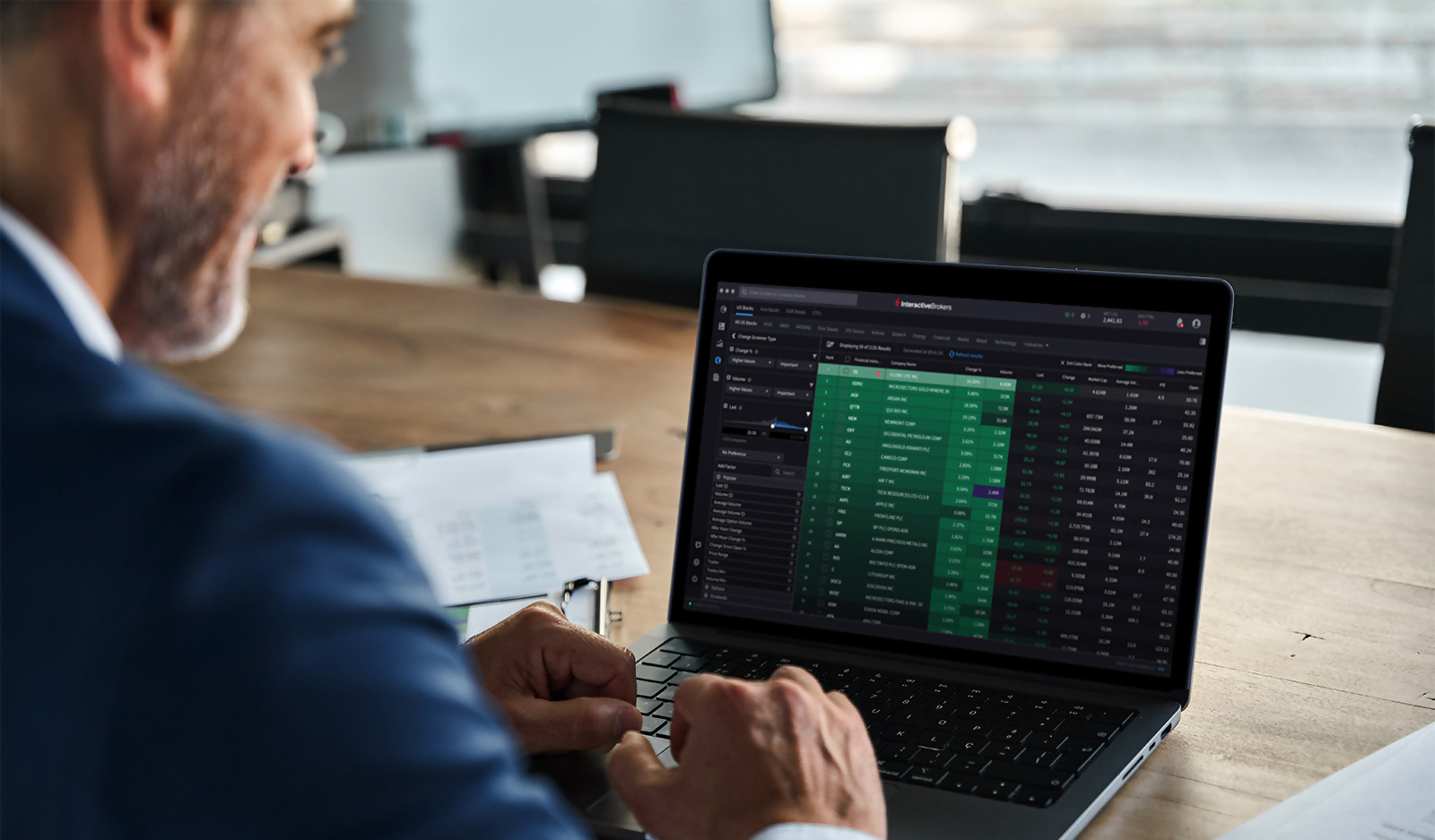
TWAP, or time-weighted average price execution, is often described as a way to spread an order across a chosen time window. Interactive Brokers’ order-type resources note that advanced order types and algos can help with timing, price improvement and execution workflow, and its TWAP material says the algo is available across several products including U.S. equities, options, futures, forex and some non-U.S. stocks.
The benefit is simple: a trader does not have to put the whole order into the market at one moment. That can reduce visible urgency and make execution less dependent on a single quote. But TWAP is not a magic liquidity source. If the market is moving quickly, the order can still chase worse prices over time. If volume is thin, smaller slices can still create slippage.
A useful TWAP checklist starts with three questions. First, is the order large relative to normal volume. Second, is the trader trying to reduce signaling risk or just avoiding a hard decision. Third, should the algo have price limits, pause conditions or a smaller total size. Without those controls, a timed order can mechanically keep buying or selling into a poor tape.
For crypto traders, the lesson transfers even when the exchange interface uses different labels. Splitting execution can be sensible, but the trade thesis, maximum loss and liquidity plan still need to be written before the order starts.
Sources: Interactive Brokers order types and algos; IBKR Campus TWAP lesson; IBKR TWAP algo glossary.
Risk notice: Algorithmic and advanced order types can still receive unfavorable fills in volatile or illiquid markets. This article is educational only.
原创文章,作者:financial transaction,如若转载,请注明出处:https://www.fanbi.net/archives/3881