OKX’s help pages describe trailing stops as an order type available from futures positions, with settings for percentage or constant variance, amount and an optional activation price. The key idea is simple: the stop level can follow a favorable move and trigger when the market reverses by the chosen distance. The execution detail is what matters.
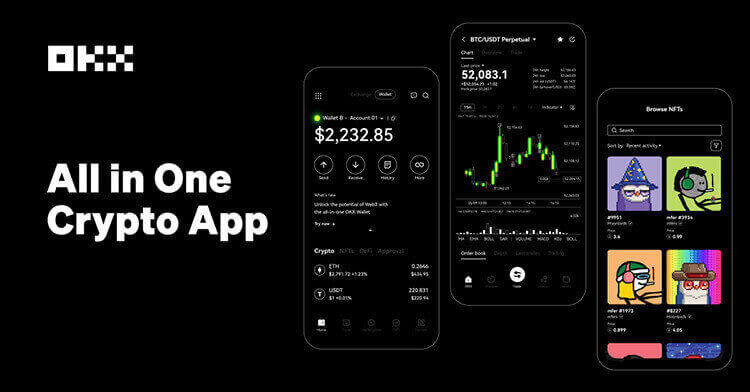
For app users, OKX describes the route as Trade, Futures, Positions, then TP SL and Trailing stop. On the web, traders can add a trailing stop from open positions. The activation price is especially important because it controls when the trailing logic starts. Without a thoughtful activation level, traders may trigger the tool too early in normal volatility or too late after the move has already faded.
The variance setting should match the market, not the trader’s hope. A very tight trail may exit during ordinary noise. A very wide trail may give back too much of the move. Futures traders should compare the variance with recent candle ranges, funding timing, liquidation distance and the size of the position.
Trailing stops are not a substitute for position sizing. In fast markets, the triggered order can still fill worse than expected, and a trailing stop placed on only part of the position changes the remaining exposure. A clean plan defines entry, invalidation, activation, partial exit and maximum account risk before the position is opened.
Sources: OKX guide to trailing stops; OKX futures TP SL guide; OKX order-type guide.
Risk notice: Trailing stops reduce some execution risk but do not guarantee a fill price. Leveraged futures can liquidate quickly during gaps or thin liquidity.
原创文章,作者:financial transaction,如若转载,请注明出处:https://www.fanbi.net/archives/3729