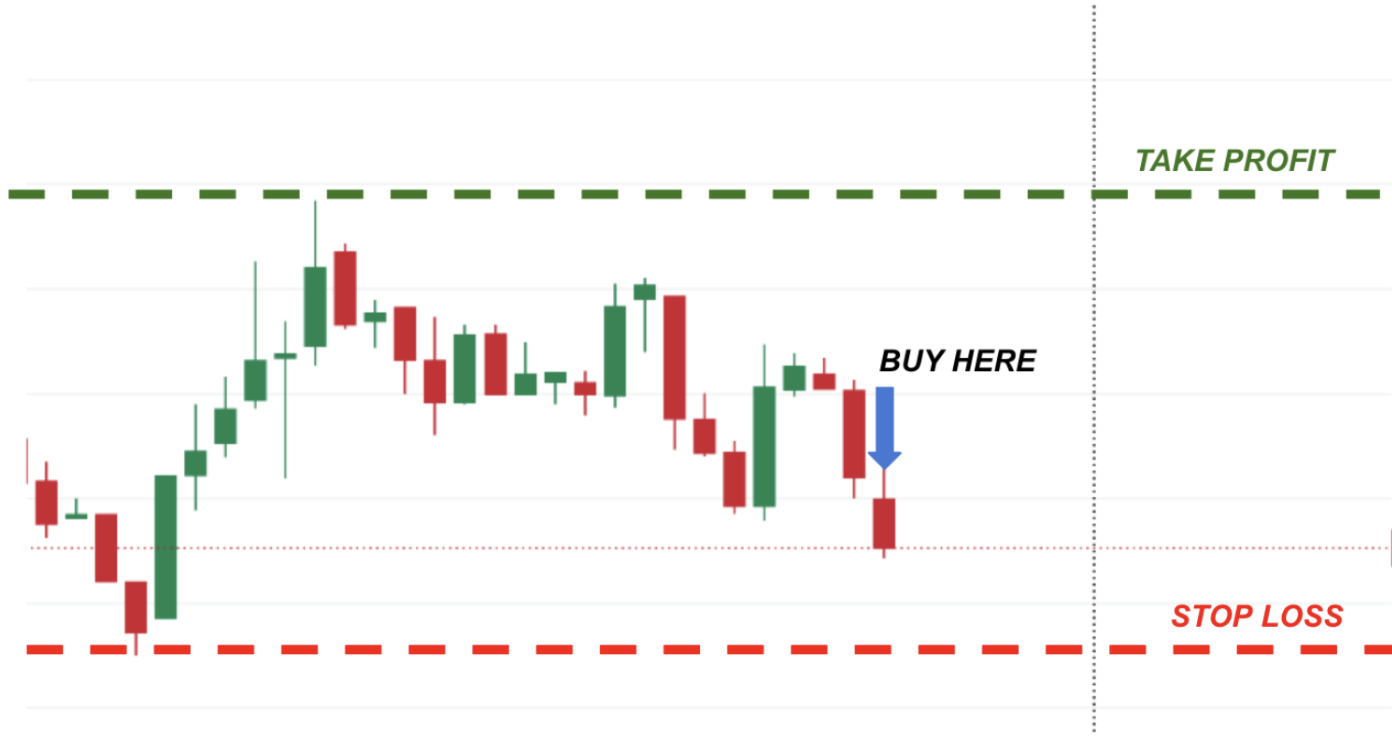

OCO and bracket-style orders are designed to connect two exit ideas: take profit if price moves favorably, or reduce loss if price moves against the position. Coinbase describes bracket orders as accepting two prices around the current price, with one side canceled when the other triggers. OKX says traders can select TP/SL and choose Conditional or OCO. Crypto.com says an OCO order places a limit order and a stop order at the same time, with only one intended to execute.
The benefit is discipline. Instead of entering a trade and deciding later where to exit, the trader defines both upside and downside in advance. This is especially useful when crypto markets trade through the night, when news can hit outside local working hours, or when a trader is managing several positions at once.
The limitation is execution. A stop side may convert into a market or aggressive limit order depending on the platform, and sharp volatility can create slippage. Coinbase explicitly warns that downside protection is not guaranteed during high market volatility. Crypto.com also distinguishes between OCO limit and OCO market structures, which can produce different fill outcomes. The label OCO does not make the order risk-free.
A practical checklist is simple: confirm whether the order is for spot, futures, or perpetuals; check whether the trigger uses mark price, index price, or last price; compare the stop trigger with the limit price; make sure the size matches the actual position; and verify whether margin mode or hedge mode changes availability. After a partial fill, review whether the attached exit size adjusted correctly.
Sources: Coinbase Help on bracket and TP/SL orders; OKX order-type guide; Crypto.com OCO order guide.
Risk notice: OCO, TP/SL, and bracket orders can reduce process errors but cannot guarantee execution price or prevent losses during gaps, outages, or thin liquidity. This article is educational and is not investment advice.
原创文章,作者:financial transaction,如若转载,请注明出处:https://www.fanbi.net/archives/2059