:max_bytes(150000):strip_icc()/GettyImages-2276773527-bf025e18d0ca420596fc7e6e9cad92c7.jpg)
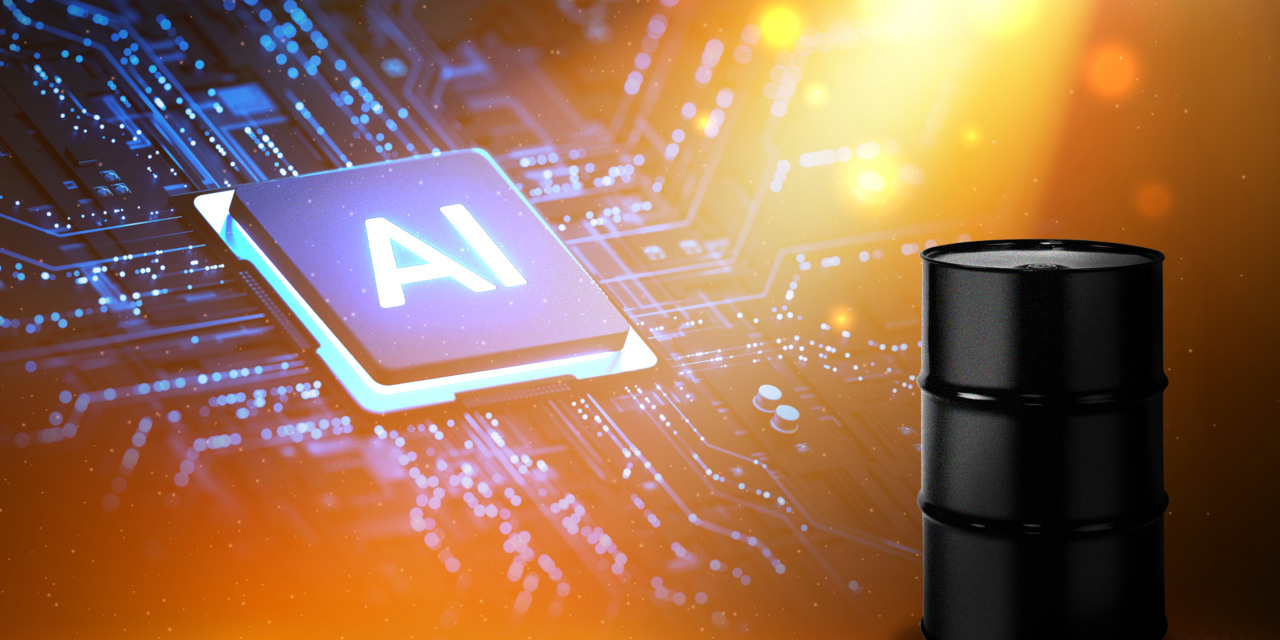
U.S. traders enter the week with more than one macro input on the screen. Investopedia flagged June inflation data, Fed Chair Kevin Warsh testimony and a heavy bank earnings calendar. MarketWatch added that the stock-market rally is increasingly tied to AI investment rather than only oil or geopolitics. That makes breadth more important than the opening tick in S&P 500 or Nasdaq futures.
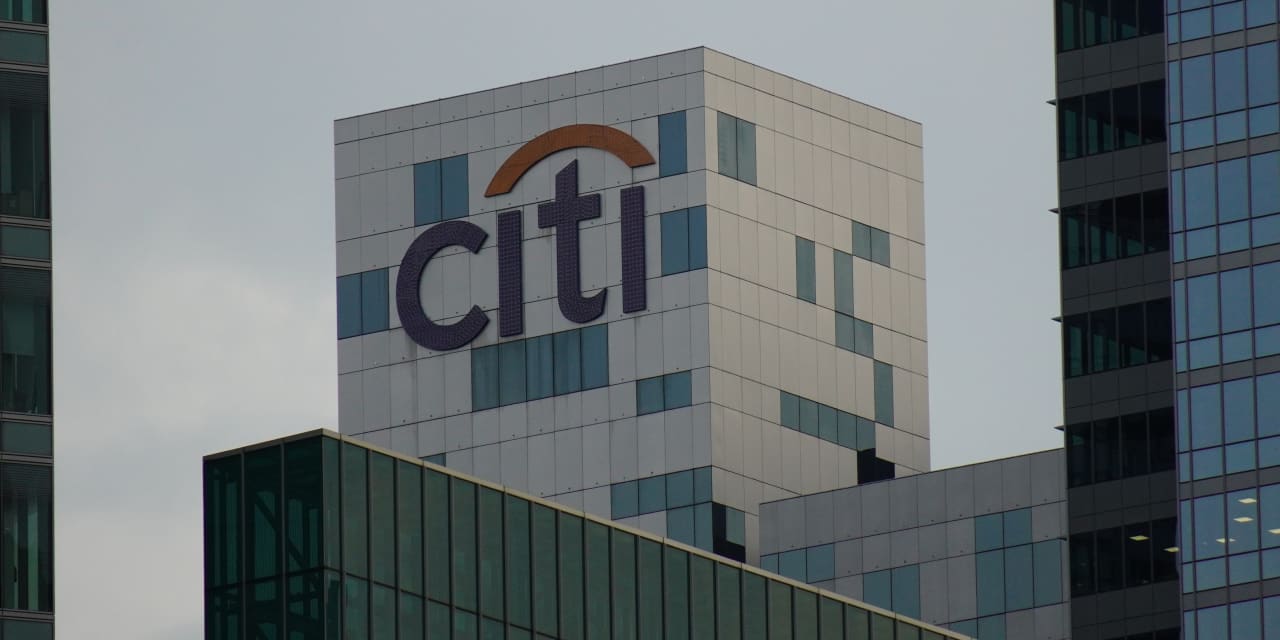
The bank reports matter because they test credit quality, deposit costs, loan demand, trading revenue and investment-banking activity at the same time. MarketWatch highlighted Citigroup as one bank to watch as several large U.S. banks report. If financials can hold up while AI-linked stocks digest high expectations, index futures have a cleaner base. If banks disappoint and megacap tech stalls, a green futures print can become fragile.
For active traders, the useful checklist is simple: compare Nasdaq futures with equal-weight indexes, watch bank ETF relative strength, track Treasury yields after inflation data, and avoid assuming that one AI earnings beat validates the whole market. Futures can price the first reaction quickly, but sector confirmation usually comes later in the cash session.
- Bullish confirmation: banks hold gains, AI suppliers avoid sell-the-news pressure, and yields do not jump sharply.
- Caution signal: Nasdaq leads alone while financials, industrials and small caps fade.
- Risk control: reduce position size before CPI, earnings releases and Fed testimony rather than widening stops after volatility arrives.
Sources: Investopedia weekly market preview; MarketWatch on AI and the stock rally; MarketWatch on U.S. bank earnings.
Risk notice: stock-index futures and equity trades can move sharply around macro data and earnings. This article is market education only and is not investment advice.
原创文章,作者:financial transaction,如若转载,请注明出处:https://www.fanbi.net/archives/2869