Stablecoin access is becoming a practical market-structure issue for crypto users in Europe. TradingView’s republication of Cointelegraph’s report says Revolut notified some users that USDT purchases would stop on July 6, 2026, new USDT deposits would stop later in July, and full delisting would be scheduled for August 31, 2026.
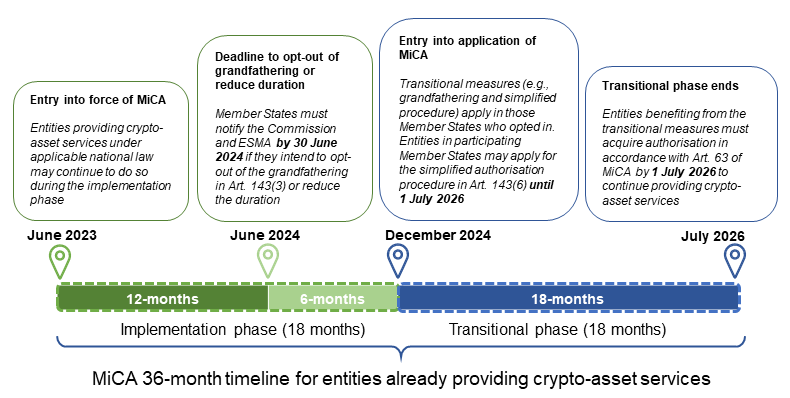
The reason matters more than the app name. Revolut cited regulatory and risk concerns, and the timing sits inside the broader European MiCA transition. ESMA’s MiCA materials show that crypto-asset service providers and issuers are moving through a tighter pan-European authorization framework. For users, that means the stablecoin available inside one app may no longer match what is available on another exchange, wallet, or offshore venue.
For spot traders, the immediate risk is operational. If an app stops accepting USDT deposits, a transfer sent on the wrong date or through the wrong route may be rejected, delayed, or forced into a conversion process. If a platform converts remaining balances into a base fiat currency after a deadline, the user loses control over timing and may face spread, tax-record, or reconciliation issues.
For futures and perpetual traders, stablecoin access also affects collateral planning. A trader who uses USDT as margin on one venue and fiat, USDC, or EUR-linked balances on another needs to understand conversion costs, settlement time, and whether cross-exchange hedges can still be funded quickly during volatility. When markets move fast, the weakest part of a trade is often not the chart; it is the transfer path.
A cautious workflow is to map balances by platform, check each app’s supported deposit networks, note delisting or conversion deadlines, and keep a small buffer in the settlement asset actually accepted by the venue being used. Do not assume that USDT, USDC, EURC, fiat balances, and bank rails are interchangeable during a regulatory transition.
My view: the Revolut notice is not a direct signal to buy or sell any token. It is a reminder that stablecoin liquidity is fragmented by jurisdiction, platform policy, and product type. Traders should treat stablecoin support as part of risk management, just like funding rates, leverage limits, and withdrawal controls.
Risk notice: This article is for market education only and is not legal, tax, or investment advice. Stablecoins can carry issuer, redemption, regulatory, platform, network, and liquidity risks. Always confirm live deadlines and supported assets inside your own app before transferring funds.
Sources: TradingView / Cointelegraph report on Revolut’s USDT delisting; ESMA MiCA overview; FinanceFeeds on the July 30 deposit stop.
原创文章,作者:financial transaction,如若转载,请注明出处:https://www.fanbi.net/archives/868