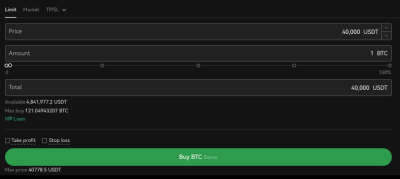
Crypto.com’s stock and ETF order-type guide separates market, limit, and stop orders by execution priority. It says market orders prioritize immediate execution at the best available price, limit orders define a price or better, and stop or stop-limit orders activate after a specified trigger level. Coinbase’s Advanced Trade documentation adds that market orders may receive partial fills at several prices and are not guaranteed to fill at the displayed buy or sell price.
That difference becomes important in fast markets. A market order can solve urgency but exposes the trader to slippage, especially in thin coins, small-cap stocks, or ETFs with weaker secondary-market liquidity. A limit order controls price but may not fill. A stop order can automate an exit, but once triggered it may become a market order or a limit order depending on platform rules, so the final result can still differ from the trader’s intended level.
One practical checklist is to decide which risk is more acceptable before entering the ticket. If missing the trade is worse than price slippage, a small market order may be acceptable in a liquid market. If price discipline is more important, use a limit order and accept non-execution risk. If protecting a position matters, understand whether the platform uses stop-market, stop-limit, bracket, or take-profit/stop-loss mechanics.
OKX’s order-type guide also shows how post-only, FOK, and IOC settings change execution behavior. These controls can reduce unwanted taker fees or prevent lingering orders, but they cannot turn an illiquid market into a liquid one. Position size, spread, depth, and volatility still matter.
Sources: Crypto.com stock and ETF order-type guide; Coinbase Advanced Trade order types; OKX basic order types.
Risk notice: Order types manage execution trade-offs but do not remove market, liquidity, gap, or platform risk. This article is educational and is not investment advice.
原创文章,作者:financial transaction,如若转载,请注明出处:https://www.fanbi.net/archives/2074