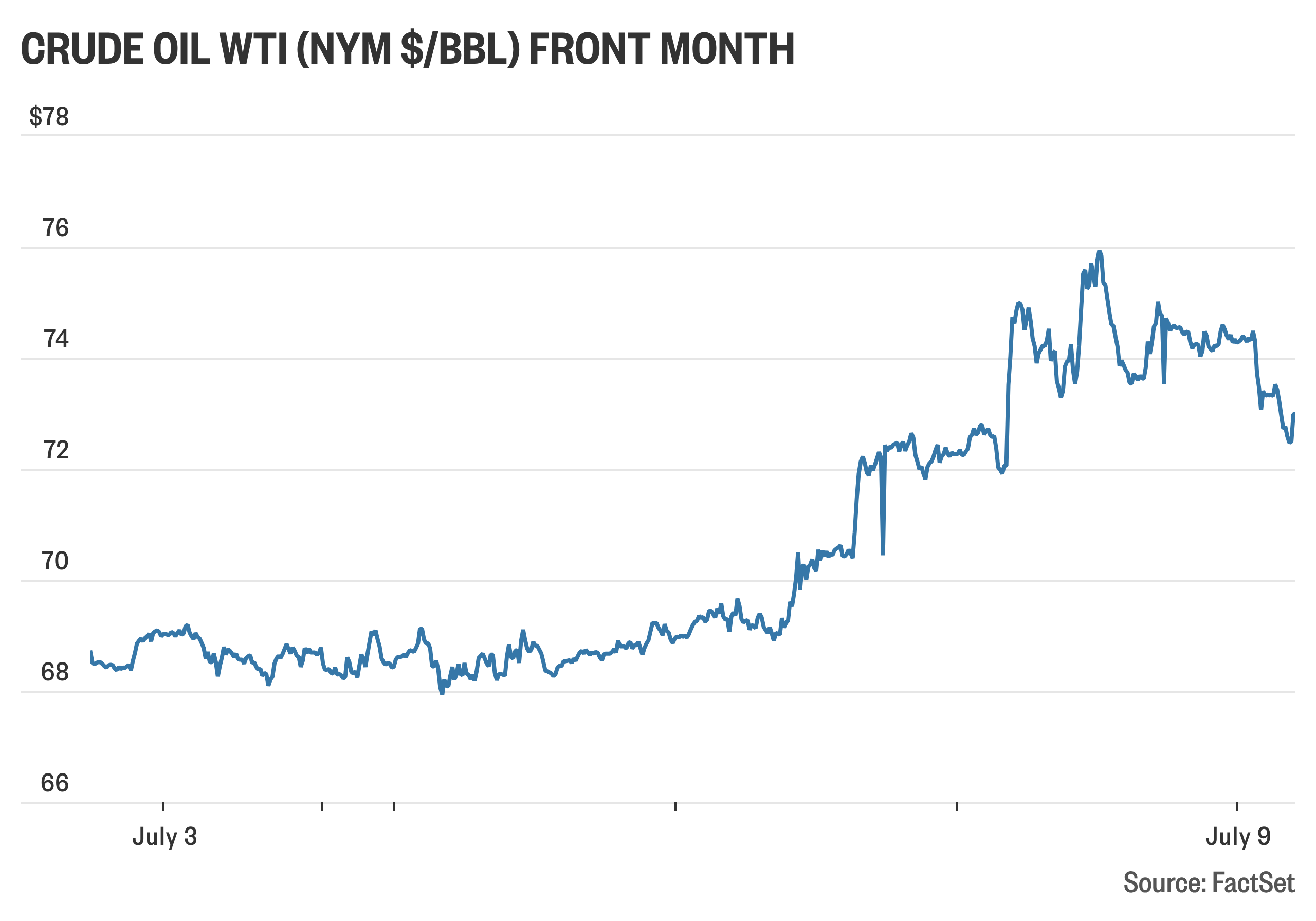
The push to make more markets trade around the clock is running into a commodity-market reality check. Financial Times reported that the CFTC plans to block CME’s attempt to fast-track a new round-the-clock oil contract, while CME’s own materials describe a planned 10-barrel WTI crude contract pending regulatory review.
The product idea is easy to understand. A 10-barrel WTI contract is much smaller than the benchmark 1,000-barrel crude future and would let active traders respond to geopolitical headlines outside traditional market hours. The concern is whether smaller access also creates thinner liquidity, wider spreads and more disorderly weekend moves.
For traders, the lesson applies beyond oil. A market can be open 24/7 and still be dangerous if depth is poor. Crypto traders already know this problem from weekend liquidity gaps; commodity traders face the same question when a contract trades during hours when physical-market information and hedging activity may be limited.
Before using any new small futures contract, check contract size, tick value, settlement method, margin, active hours, daily volume and spread behavior. Smaller notional value lowers entry size, but it does not remove gap risk, forced liquidation risk or news-event slippage.
Risk notice: Futures use leverage and may lose more than expected in fast markets. Regulatory review can delay or change product launches, so traders should confirm contract specifications directly with the exchange before trading.
Sources:
- Financial Times: regulator to block CME bid to fast-track round-the-clock oil contracts
- CME Group: planned 10-Barrel WTI Crude Oil futures
- MarketWatch: oil prices dip after latest jump on Iran war angst
原创文章,作者:financial transaction,如若转载,请注明出处:https://www.fanbi.net/archives/1885