Many futures beginners choose leverage first and margin mode second. That order is backwards. Cross margin and isolated margin decide how much account equity can support a position, so the mode determines what happens when volatility moves against the trade.
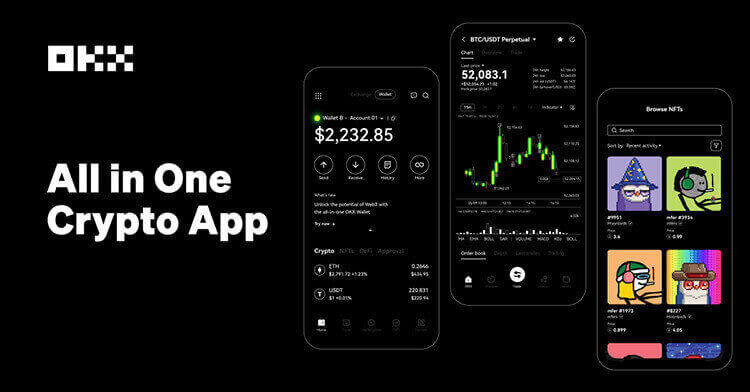
OKX describes cross and isolated modes as choices in the trading interface for futures or margin products. In simple terms, isolated margin limits a position to the margin assigned to that position, while cross margin can use broader account equity to support open positions.
KuCoin’s futures guide makes the trade-off explicit: isolated margin is easier to understand because each position has fixed position margin, while cross margin can use the whole account balance and unrealized profit and loss to improve capital efficiency. That flexibility can keep a trade alive longer, but it can also expose more of the account to one bad setup.
A practical rule is to use isolated margin when the trade idea has a clearly defined maximum loss and you do not want other balances pulled into the position. Cross margin may fit portfolio hedges or multi-leg strategies, but it needs stricter account-level exposure limits and alerts.
Before opening any leveraged position, write down four numbers: entry, invalidation level, maximum account loss, and the extra collateral you are willing to add. If those numbers are unclear, changing from isolated to cross margin does not reduce risk; it only changes where the loss can spread.
Sources:
- OKX: how to trade using cross and isolated modes
- OKX product docs: spot and margin trading
- KuCoin: cross margin futures trading
- OKX: borrowing and repaying in multi-currency and portfolio margin modes
Risk notice: Margin trading can lead to rapid losses and liquidation. Margin mode does not make leverage safe; it only changes collateral behavior and risk boundaries.
原创文章,作者:financial transaction,如若转载,请注明出处:https://www.fanbi.net/archives/1755