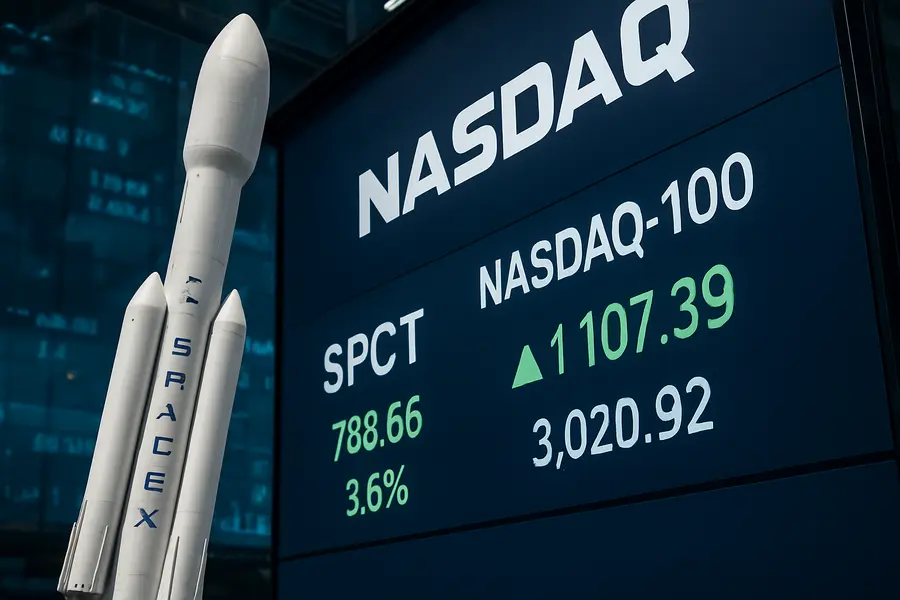
U.S. index traders are again focused on the policy path. Investing.com reported that U.S. futures dipped as traders weighed Iran tensions, Asian tech weakness and upcoming Fed minutes, while CME FedWatch still showed a relatively low probability of a July rate increase after softer employment data. The practical lesson is that the market often trades the change in rate expectations, not just the headline itself.
CME describes FedWatch as a tool that uses 30-Day Fed Funds futures prices to estimate the probability of target-rate outcomes at upcoming FOMC meetings. For stock-index futures, that probability map is useful because it connects policy expectations to the discount rate, Treasury yields, dollar direction and growth-stock duration risk.
A simple workflow starts before the headline. First, record the current FedWatch probability for the next two FOMC meetings. Second, note the 10-year yield, Nasdaq futures, S&P futures and dollar index. Third, after the minutes or data release, check whether probabilities actually moved or whether price action is only a short-term liquidity reaction. Fourth, confirm whether the move is broad or concentrated in rate-sensitive sectors such as megacap technology, banks and real estate.
Do not use FedWatch as a directional signal by itself. A low hike probability can still coexist with weak equities if earnings, geopolitics or liquidity are deteriorating. The tool is best used as a translation layer: it tells traders whether a futures move is being justified by a real repricing of the policy path or by another risk factor.
Sources: Investing.com market brief; CME FedWatch; CME FedWatch user guide.
Risk notice: This article is educational and not investment advice. Futures and options can create rapid losses, especially around macro releases and low-liquidity headline windows.
原创文章,作者:financial transaction,如若转载,请注明出处:https://www.fanbi.net/archives/1276