A withdrawal allowlist is one of the most useful security settings in a crypto app, but many users only discover it when they are already trying to move funds. That is the wrong moment to learn the workflow.
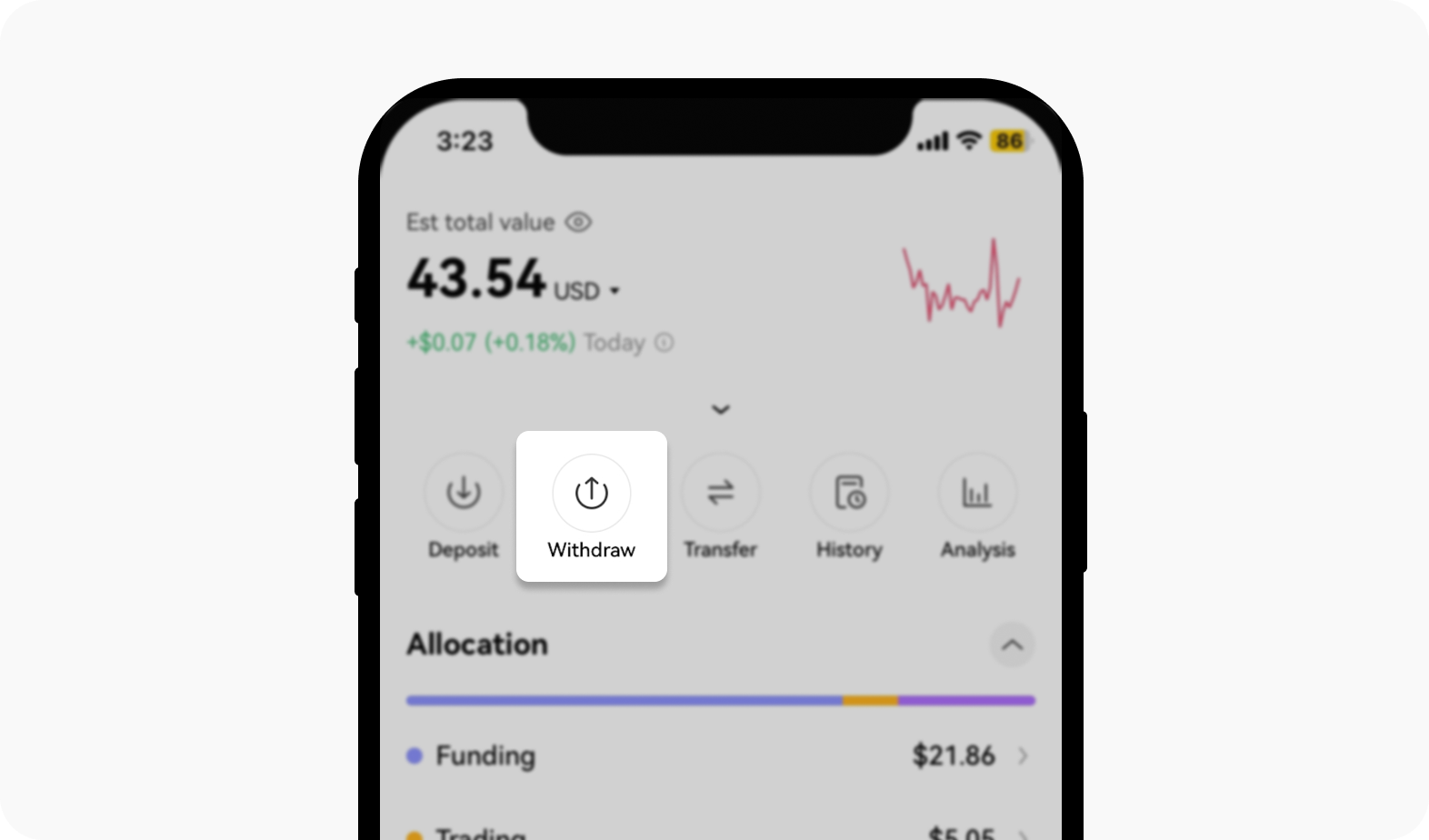
The basic idea is simple: after allowlisting is enabled, withdrawals can go only to saved and verified addresses. OKX says its app allowlist lets users withdraw only to addresses in the address book, and its new-address withdrawal lock can block withdrawals to newly added addresses for 24 hours. Coinbase’s exchange help page describes a similar address-book model with 2FA checks and a hold period for newly added addresses. Binance support also describes withdrawal whitelist limits designed to slow unauthorized withdrawals if an attacker adds a new address.
A practical setup starts before you need speed. Add your own long-term wallet addresses first, label them clearly, and confirm the coin plus network. For example, a USDT address on Tron is not the same operational route as USDT on Ethereum or another network. If the receiving platform requires a memo, tag, or payment ID, save that detail with the address and test with a small transfer before moving size.
Then turn on the allowlist or whitelist only after the address book is clean. Remove addresses you do not recognize. Check whether the app has a new-address lock, a 24-hour or 48-hour hold, or an initial window in which new addresses can be added immediately. These waiting periods are a feature, not a bug: they give you time to react if your login is compromised.
During active trading, avoid changing withdrawal security settings in panic. If you may need to move collateral between a spot account, a futures account, a cold wallet, and a second exchange, prepare those addresses while markets are calm. If the app requires 2FA, passkeys, email confirmation, or device confirmation, test that those recovery methods still work before you rely on them.
The decision point is balance. Maximum security can reduce flexibility; maximum flexibility can expose the account to phishing, malware, or a stolen session. For most users, a short list of verified personal wallets and frequently used exchange deposit addresses is more practical than leaving withdrawals open to any new address.
Risk notice: This guide is educational and is not official support from any exchange. Crypto transfers are generally irreversible. Always confirm the asset, network, address, memo or tag, withdrawal fee, minimum amount, and security hold inside your own app before sending funds.
Sources: OKX app allowlist guide; Coinbase address-book and whitelisting help; Binance withdrawal settings guide; Binance withdrawal guide and memo warning.
原创文章,作者:financial transaction,如若转载,请注明出处:https://www.fanbi.net/archives/870