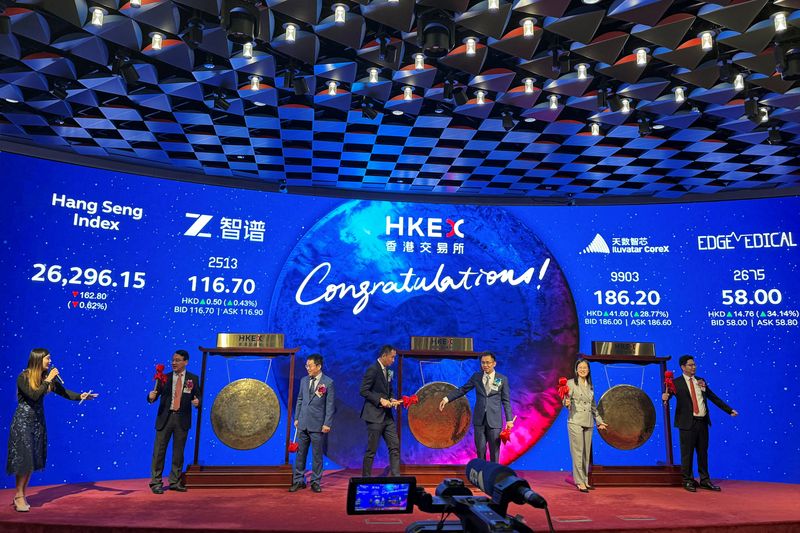
Hong Kong’s recent IPO winners face a heavy lock-up calendar. Reuters-syndicated coverage cited estimates that roughly $274 billion of locked-up shares could become tradable over the next 12 months, with July and September expected to be concentrated periods for secondary-market supply.
For stock traders, an unlock is not automatically bearish. It does not change revenue, margins, or product demand. What it can change is the supply-demand balance. When early investors, cornerstone holders, or pre-IPO backers are suddenly allowed to sell, a stock with a strong chart can need lower prices or higher volume to absorb the new float.
The practical workflow is to map the unlock date, the percentage of shares becoming tradable, the cost basis and type of the holders, recent liquidity, short-selling availability, and whether index or fund demand can absorb supply. Thinly traded names with large unlock percentages deserve extra caution.
This also matters beyond single stocks. If multiple high-profile listings face unlocks at the same time, investors may lower exposure to the wider Hong Kong IPO basket even before actual selling appears.
Sources: AOL/Reuters lock-up report; TradingView Reuters headline page; HKEX rulebook lock-up period reference.
Risk notice: This article is for market education only. Unlock schedules can change, and individual stocks may react differently from historical averages.
原创文章,作者:financial transaction,如若转载,请注明出处:https://www.fanbi.net/archives/1630