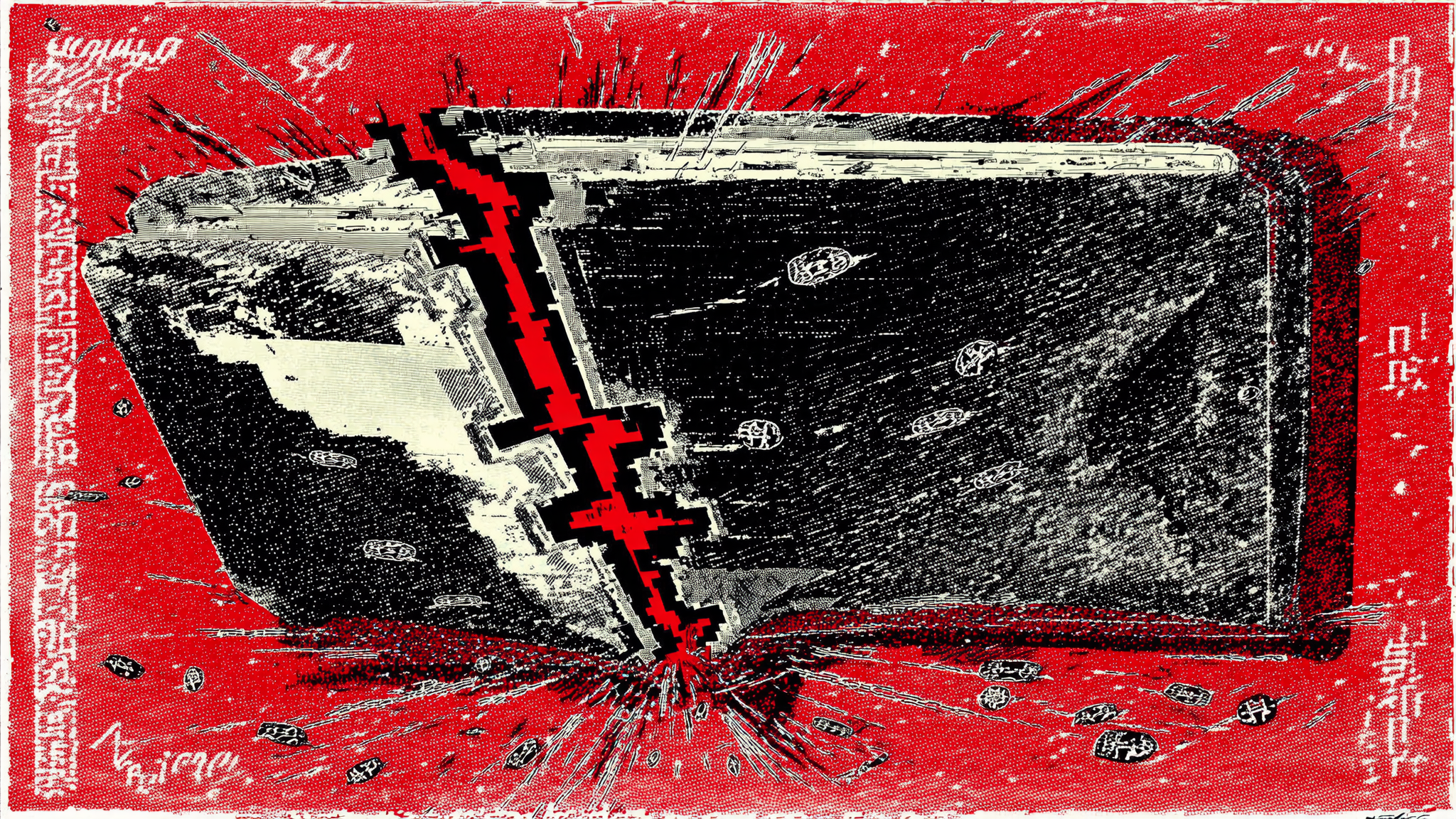
EMURGO-backed SecondFi will not return to normal operations after a Cardano wallet exploit, according to multiple crypto-security reports. For traders, the key takeaway is broader than one wallet: self-custody risk includes software generation, recovery workflows, migration timing, and the quality of official incident communication.
The Defiant reported that EMURGO told users to migrate away using the official recovery process. Protos reported that SecondFi would focus on returning assets to affected users rather than reopening normal operations. The Block previously reported that roughly $2.4 million in ADA was drained from hundreds of addresses through a wallet-generation flaw.
For active traders, wallet incidents can become market risk when they force rushed transfers. Moving funds during volatility, using unofficial recovery links, or importing seed phrases into unfamiliar wallets can create a second loss after the original exploit.
A safer checklist starts with source verification. Use only official project domains and social channels, avoid search-ad recovery links, confirm chain and address formats, test with a small transfer when possible, and separate trading wallets from long-term storage. Hardware-wallet migration should be considered when supported and when users understand the recovery flow.
The broader Web3 lesson is that wallet UX and governance credibility are now trading factors. A chain can have strong technology, but token confidence can weaken if users cannot trust common access points, recovery instructions, or ecosystem coordination after incidents.
Sources: The Defiant on EMURGO and SecondFi shutdown; Protos on SecondFi shutdown; The Block on SecondFi exploit recovery path.
Risk notice: Wallet migrations and seed-phrase recovery are high-risk operations. This article is educational; users should rely on official project instructions and never share seed phrases with support accounts or websites.
原创文章,作者:financial transaction,如若转载,请注明出处:https://www.fanbi.net/archives/1656