Crypto futures apps make it easy to open a position quickly, but the exit workflow often decides whether a trade stays controlled. The basic checklist is simple: know whether an order can open a new position, know whether it can only close or reduce an existing position, and know what happens if the market gaps through a trigger.
Bybit’s help center defines reduce-only as an option designed to strictly reduce position size. Its example shows why this matters: if a stop-loss closes a long position first, an old take-profit limit order without reduce-only could later execute and unintentionally open a short position. With reduce-only enabled, the system is designed to cancel or adjust the closing order so it does not create new exposure.
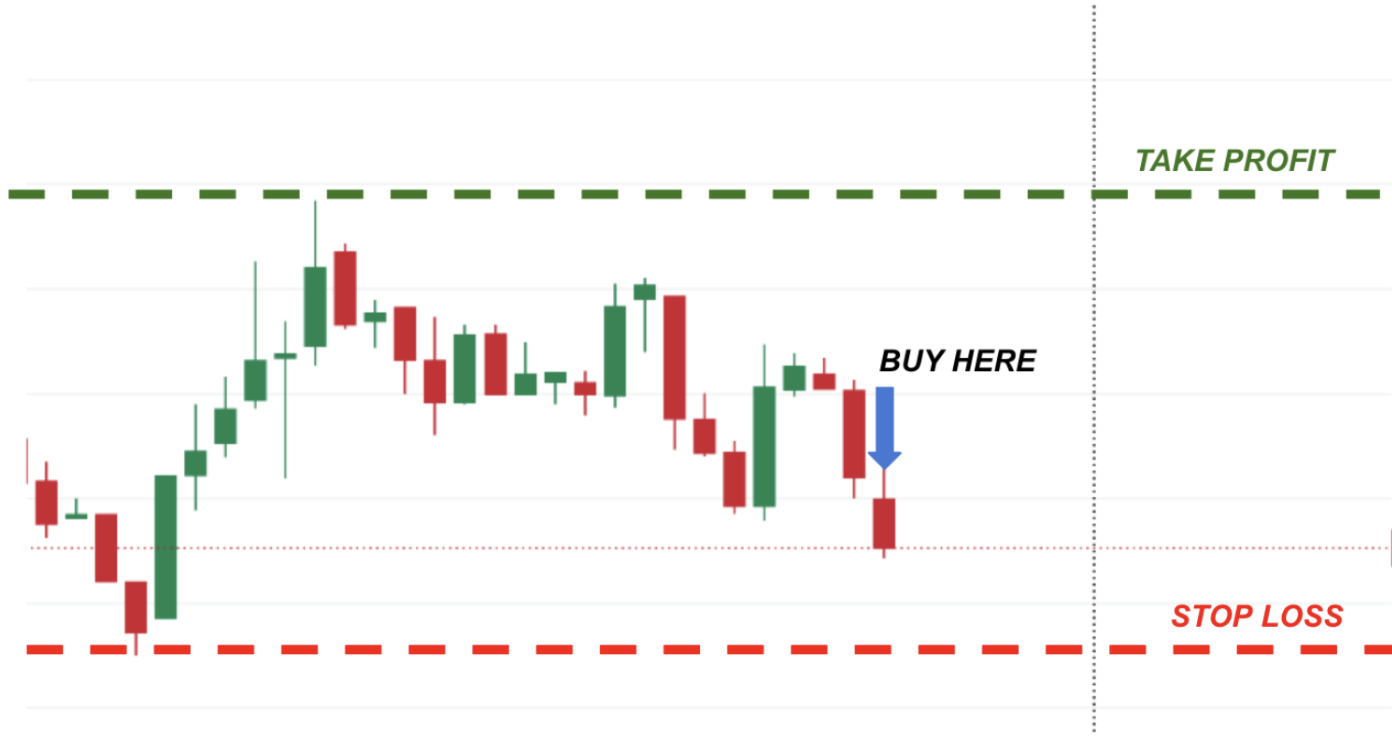
Coinbase’s order-type documentation gives the same practical lesson from another angle. A stop-limit order posts a limit order after the stop price is reached; that may help control price, but execution is not guaranteed in fast markets. Coinbase also describes bracket orders, where a take-profit side and a stop-loss side are paired and one side is turned off when the other fills. The important warning is that downside protection may not execute during high volatility.
A practical app workflow starts before entry. First, decide the invalidation price and position size, then place the entry. Second, add TP/SL or a bracket order immediately if the platform supports it. Third, use reduce-only for exit orders on futures or perpetual positions when the intention is only to close or trim exposure. Fourth, after any partial fill, liquidation, manual close or margin change, revisit open orders so old orders do not outlive the trade idea.
Traders should also understand trigger choice. Some platforms allow last price, mark price or index price triggers. Last price may react faster to traded prints, while mark price can reduce manipulation risk and is often tied to liquidation logic. The right setting depends on the venue and product, so do not assume that a stop behaves identically across exchanges.
Risk notice: TP/SL, stop-limit, bracket and reduce-only settings can reduce operational errors, but they cannot remove slippage, failed execution, liquidation or platform risk. This guide is educational and not personalized trading advice.
Sources: Bybit Help Center on reduce-only orders; Bybit Help Center on TP/SL for perpetual and futures contracts; Coinbase Help on order types; Coinbase Help on derivatives TP/SL orders.
原创文章,作者:financial transaction,如若转载,请注明出处:https://www.fanbi.net/archives/905