Crypto futures traders often compare exchanges by headline fee rates, but the real cost of a strategy depends on more than one number. Binance, OKX, and Bybit all use tiered maker/taker models, and each exchange separates product types, VIP levels, promotions, and account-specific rates. The right comparison starts with how your orders actually execute.
A maker order adds liquidity to the order book, usually through a limit order that does not fill immediately. A taker order removes liquidity, commonly through a market order or an aggressive limit order that fills at once. For scalpers and high-turnover futures traders, paying taker fees on both entry and exit can matter more than the stated leverage.
Binance’s futures fee pages and futures fee FAQ describe a tiered structure for USD-margined and coin-margined contracts, with maker and taker rates varying by user tier, product, and any active discounts. Binance also explains futures fee calculation as position value multiplied by the applicable fee rate, which is the key point many beginners miss: fees apply to notional position value, not just margin posted.
OKX’s fee pages and trading-fee FAQ similarly emphasize maker/taker status, tiering, and product categories. The FAQ example shows how a trader using 10x leverage can pay a fee based on contract notional. OKX also notes settlement and forced-liquidation fee rules, which means the cost comparison should include what happens when a trade is closed normally versus forcibly liquidated.
Bybit’s help center lists trading-fee structures across spot, perpetuals, futures, options, and pre-market products. Its maker-versus-taker explanation highlights the operational difference between adding and removing liquidity, while the futures-fee example shows taker and maker fees calculated from contract value. That is useful for traders who enter with market orders but try to exit with limit orders.
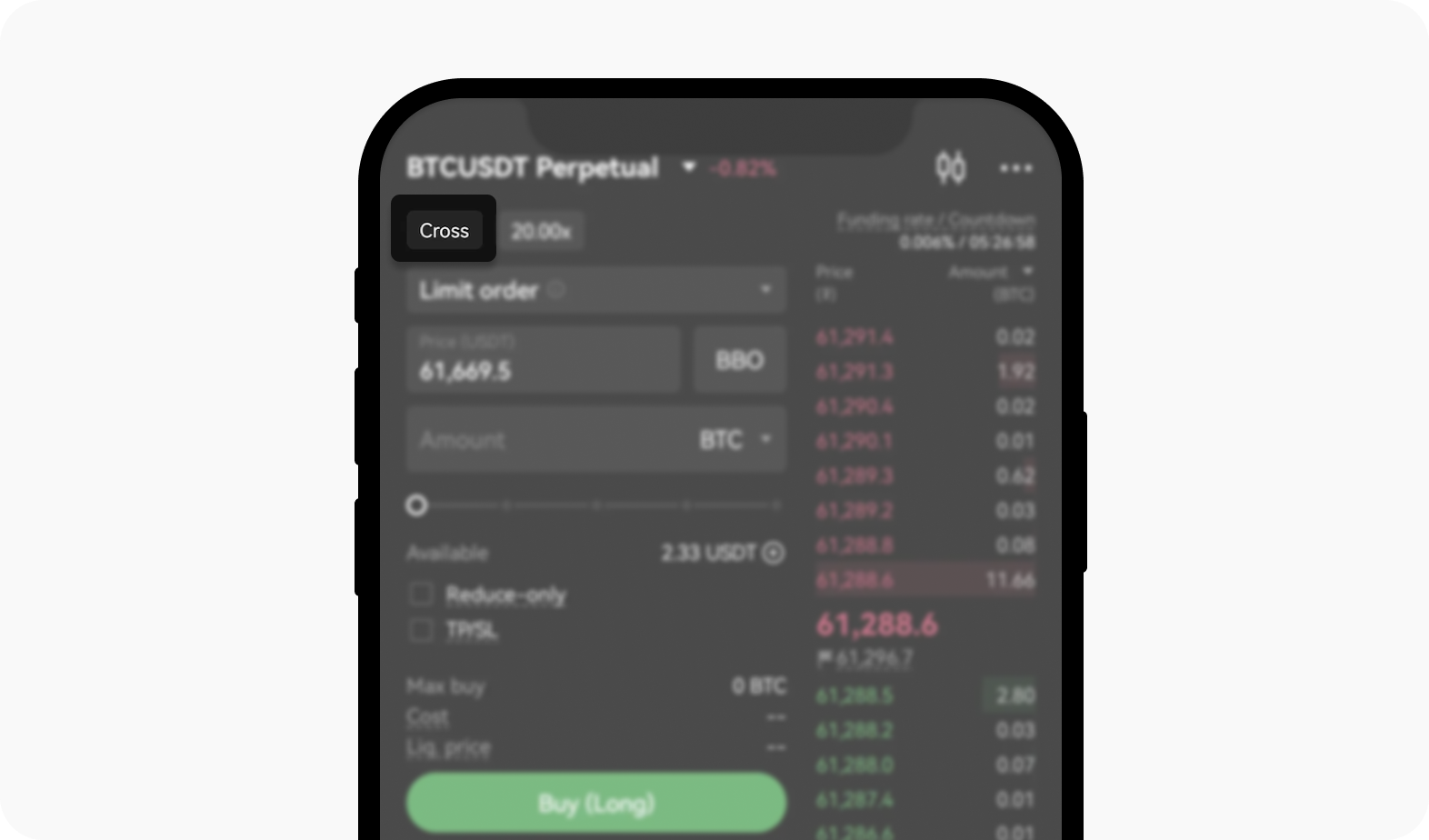
The practical comparison is not simply which exchange posts the lowest visible rate. Check five items before choosing a venue: your actual logged-in fee tier, whether you mostly use market or limit orders, average spread and depth on the contracts you trade, funding-rate behavior on perpetuals, and risk controls such as reduce-only, TP/SL, position mode, and liquidation estimates. A lower fee is less useful if the book is thin or if the app workflow causes execution mistakes.
For beginners, the safest workflow is to calculate a round trip. Estimate entry fee, exit fee, expected spread, possible funding, and slippage on the actual order size. Then compare that total with the planned stop distance. If the total trading cost is already a large percentage of the stop, the trade needs a smaller size, a wider setup, or no trade at all.
My view: Binance, OKX, and Bybit can all be viable for futures users, but the best fit depends on product access, liquidity in the exact contract, local availability, interface comfort, and risk tooling. Fee tables are the starting point; execution quality and discipline decide whether the strategy survives.
Risk notice: This article is educational and not investment advice. Futures and perpetual swaps involve leverage, funding costs, slippage, platform restrictions, and liquidation risk. Always confirm the latest fees inside your own account before placing orders.
Sources: Binance USD-margined futures fee page; Binance futures fee calculation FAQ; OKX fee schedule; OKX trading-fee rules FAQ; Bybit trading-fee structure; Bybit futures fee explanation.
原创文章,作者:financial transaction,如若转载,请注明出处:https://www.fanbi.net/archives/895