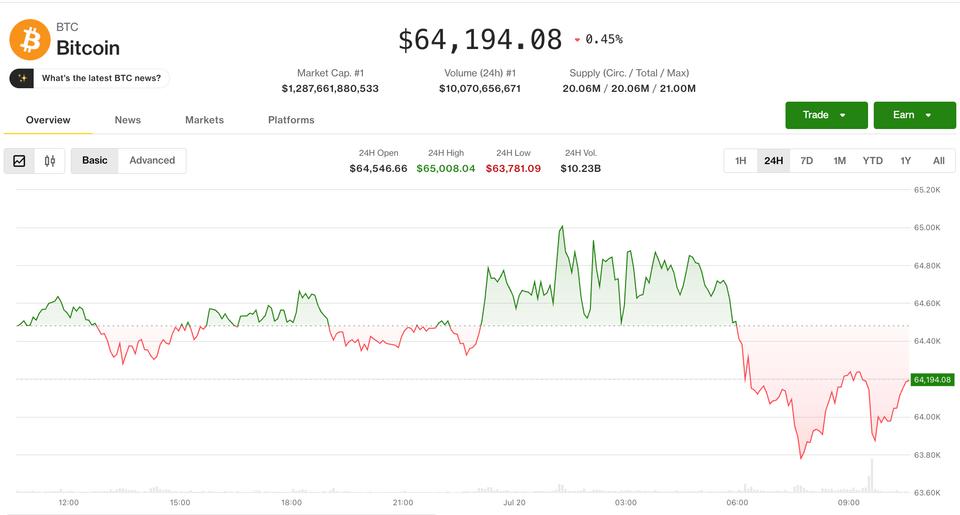

CoinDesk’s July 20 market update noted that PUMP drew attention from social-media chatter while the broader crypto market slipped. That is exactly the kind of setup where traders need to slow down. A token can trend on attention while the rest of the market is weak, but attention does not guarantee order-book depth or clean exits.
The first check is spread. If the difference between best bid and best ask is wide, a market order starts at a disadvantage. The second check is depth. If only a small amount is available near the quoted price, the order may walk through several levels and fill far worse than expected. Binance Academy’s order-type guide is useful here because it reminds traders that market orders prioritize execution, while limit orders prioritize price.
A practical plan for social-token volatility is to size smaller, use limit orders when liquidity is uncertain, split entries, and decide the exit before entering. Traders should also avoid judging risk only from the last traded price. The last print can look calm while the next sell order faces a thin book. In fast meme or social-token markets, slippage is not an afterthought. It is part of the trade cost.
Risk notice: This article is for trading education only. Highly volatile tokens can move sharply, lose liquidity quickly and expose traders to severe slippage.
Sources: CoinDesk July 20 crypto market update; Binance Academy order types guide; Binance risk-order education blog.
原创文章,作者:financial transaction,如若转载,请注明出处:https://www.fanbi.net/archives/3993