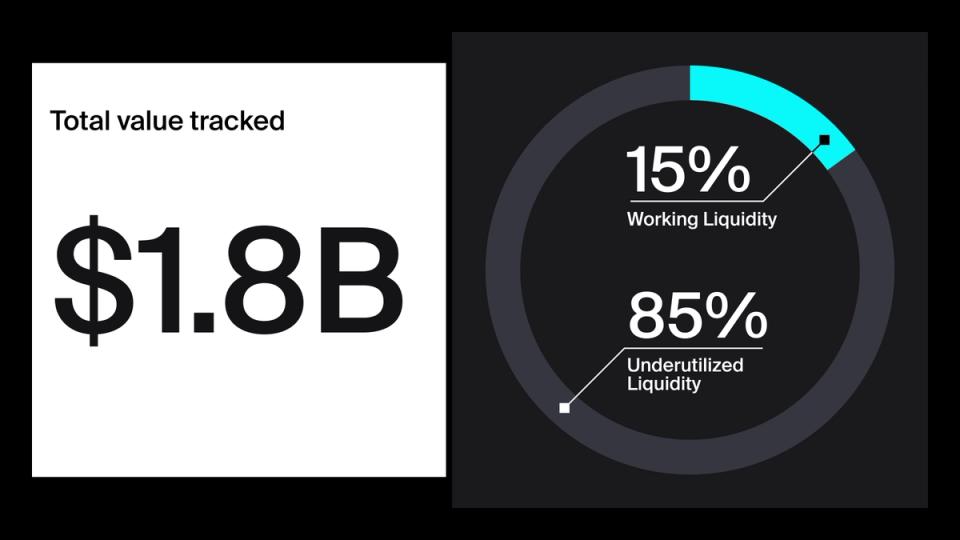
CoinDesk highlighted research showing that a large amount of DeFi liquidity sat outside active trading ranges in the first half of 2026, leaving capital underused and missing potential fee income. The lesson for traders is not that liquidity provision is broken. It is that concentrated-liquidity positions behave more like active market-making than passive deposits.
When a liquidity provider chooses a narrow range, capital can earn more fees while price stays inside that band. The same design becomes a problem when price exits the band: the position may stop earning fees, become concentrated in one asset, and still remain exposed to volatility. Rebalancing can help, but it creates gas costs, execution risk and timing decisions.
A better LP process starts with a thesis. Define the expected trading range, the maximum rebalance frequency, acceptable gas cost, and what happens if the position turns into mostly one token. For many users, wider ranges and smaller size may be more realistic than chasing the highest displayed fee return.
Risk notice: DeFi liquidity provision includes smart-contract risk, impermanent loss, execution costs and market volatility. Fee estimates are not guaranteed returns.
Sources: CoinDesk DeFi liquidity report; CoinDesk Web3 page; CoinMarketCap token unlock calendar.
原创文章,作者:financial transaction,如若转载,请注明出处:https://www.fanbi.net/archives/3901