

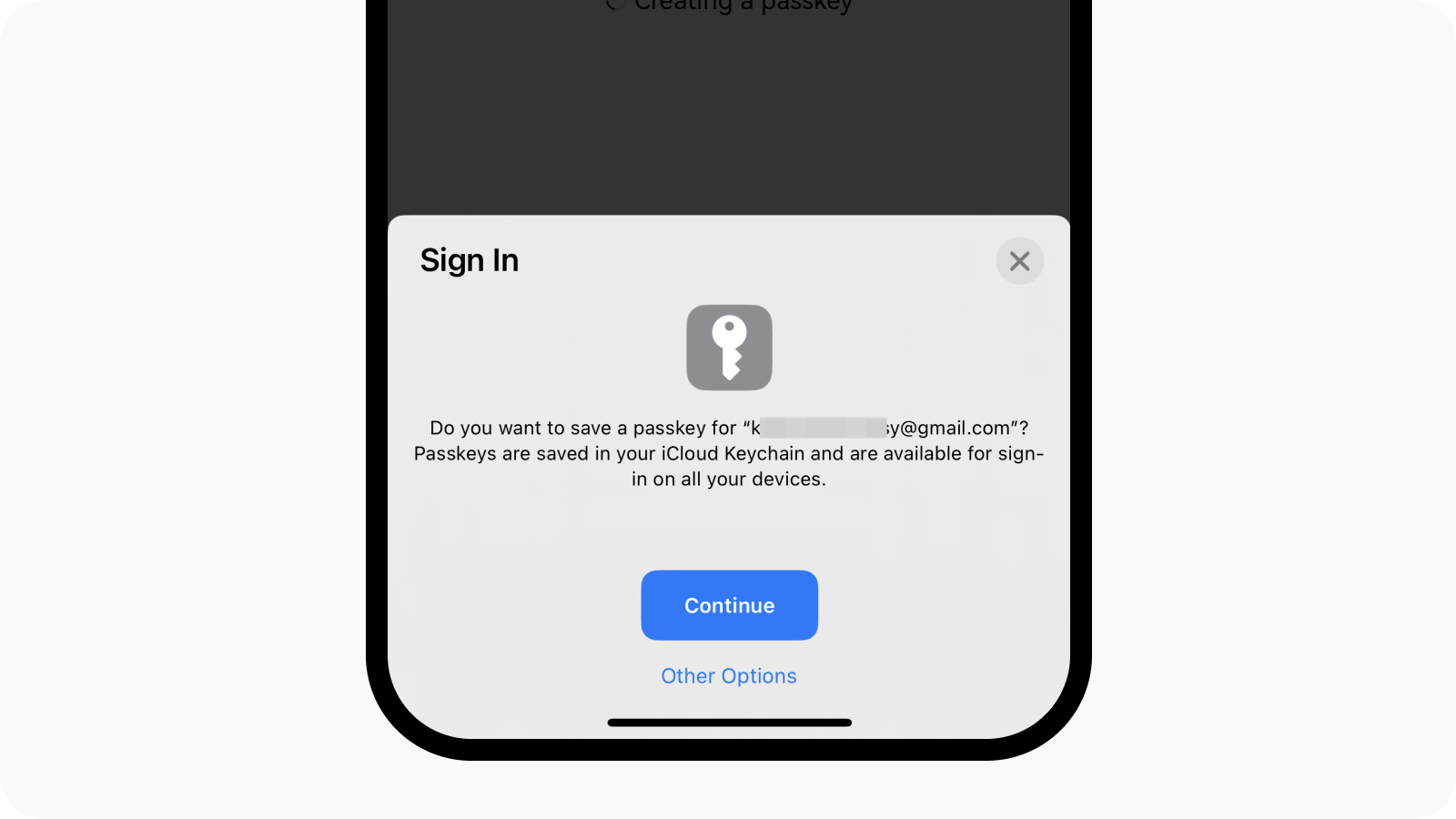
Passkeys are becoming a standard account-security feature across major crypto platforms. Kraken describes passkeys as a biometric or device-lock based sign-in method, OKX explains app and web setup flows, Coinbase has introduced passkey sign-in, and Binance includes passkeys in its account-security guidance.
The benefit is clear: passkeys reduce password reuse and phishing exposure because the credential is tied to a device or security key. For active traders, that can lower the chance that a stolen password becomes a trading-account takeover.
The risk is operational. A device-bound passkey can become a problem if a trader changes phones, loses access to a synced account, or has no tested backup method. That is why passkeys should be paired with a recovery checklist, multiple approved devices where the platform allows it, anti-phishing codes, withdrawal controls and an offline record of support procedures.
Before enabling a passkey on a high-value account, test the login path on a small balance account if possible, record which device owns the credential, add a backup method, and review how withdrawals are protected separately. Login security is only one layer; fund movement controls still matter.
Risk notice: Account-security tools reduce some attack paths but cannot remove market, custody or operational risk. This article is educational and is not official support guidance.
Sources:
- Kraken Support: What is a Passkey
- OKX Help: create passkeys in app
- Coinbase: introducing passkeys
- Binance: create a passkey
原创文章,作者:financial transaction,如若转载,请注明出处:https://www.fanbi.net/archives/3742