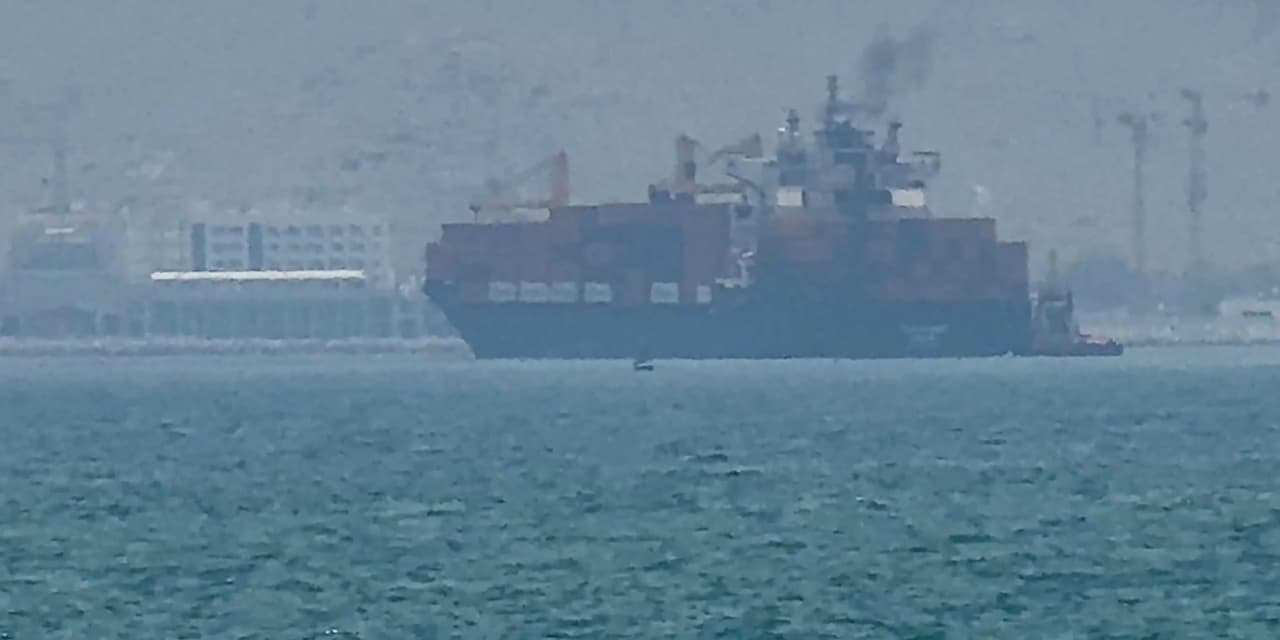
The debate over nonstop derivatives is spreading beyond crypto. The Financial Times reported that the CFTC was set to block CME Group’s fast-track attempt to list a 10-barrel mini WTI crude oil futures contract, with regulators concerned about market capacity and the consequences of moving oil risk closer to a 24/7 model. The timing is important because recent U.S.-Iran tension has already kept traders focused on weekend energy gaps and stock-index futures reactions.
This is not only a legal fight between an exchange and a regulator. It is a market-structure question. Traditional futures markets rely on defined trading sessions, clearing cycles, maintenance windows and market-maker routines. Crypto venues trained traders to expect continuous access, but continuous access can also mean thinner liquidity at odd hours, weaker order-book depth and faster liquidation cascades when news hits outside the normal institutional workday.
For active futures traders, the practical lesson is to separate access from protection. A 24/7 contract may reduce the frustration of waiting for Sunday evening or Monday morning, but it does not guarantee tight spreads, deep liquidity or orderly exits. Weekend position sizing, stop placement, option hedges, cash buffers and news-risk limits still matter. If oil markets eventually move further toward continuous trading, risk systems will have to adapt as much as trading apps do.
Risk notice: futures and leveraged products can move quickly and may produce losses greater than expected. Liquidity can deteriorate during geopolitical events or outside core trading hours. This article is educational and not investment advice.
Sources: Financial Times report on CFTC and 24/7 oil futures; MarketWatch oil and stock futures report; MarketWatch futures market data.
原创文章,作者:financial transaction,如若转载,请注明出处:https://www.fanbi.net/archives/3230