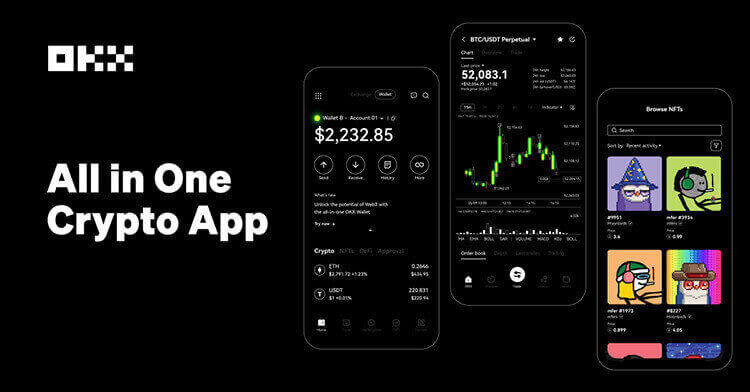
A trailing stop is useful when a trader wants an exit rule that can move with the market instead of staying fixed at one price. OKX’s help page says app users can open Trade, choose Futures, go to Positions, select TP/SL, choose Trailing stop, then set either a percentage or constant variance, amount and optional activation price before confirming.
The key decision is the callback distance. If it is too tight, normal noise can close the position before the trend has room to develop. If it is too wide, the order may protect little of the unrealized gain. Traders should choose the distance based on the market’s current volatility, the contract’s tick behavior and their planned loss limit, not by copying a generic percentage.
Activation price is the second important setting. Without an activation level, the trailing logic can start immediately. With an activation level, the order begins tracking only after price reaches the chosen threshold. That can help traders who want the market to prove momentum first, but it also means the position remains exposed until the activation condition is met.
A practical workflow is to define the invalidation level first, size the futures position so that a normal stop is affordable, then add the trailing stop only after the trade has moved into profit or after the activation level is reached. Traders should also check whether they are using isolated or cross margin, because a trailing exit does not by itself protect the rest of the account from margin pressure.
Sources: OKX trailing-stop guide; Binance Academy OCO order explainer; Good Crypto trailing-stop guide.
Risk notice: Trailing stops are conditional order tools, not guarantees. Fast markets, gaps, liquidity shortages and exchange rules can produce exits different from the displayed trigger plan.
原创文章,作者:financial transaction,如若转载,请注明出处:https://www.fanbi.net/archives/2788