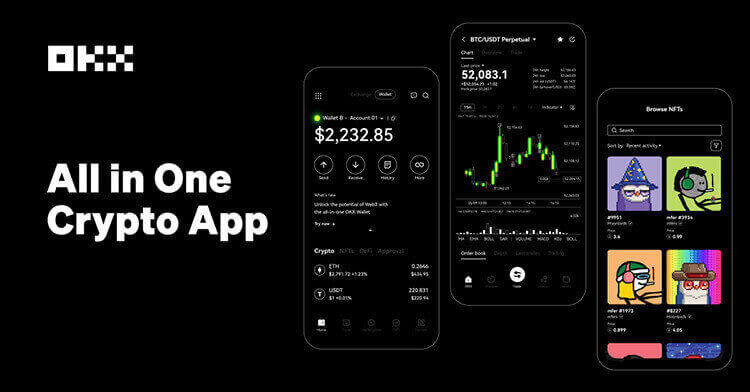
Reduce-only orders are one of the most practical controls in crypto perpetual futures. Binance’s futures order documentation describes reduce-only as a setting designed to decrease, rather than increase, an open position. OKX’s order-type guide says reduce-only behavior depends on position size and order priority, while Bybit’s help center says reduce-only orders dynamically reduce or adjust the contract quantity to match the open position.
The use case is simple. Suppose a trader is long one BTC perpetual contract and places a sell limit order to take profit. If that order remains open after the position has already been closed elsewhere, a normal sell order might open a new short position. A reduce-only instruction is meant to prevent that kind of accidental flip.
The workflow should be calm and repetitive. First confirm the current position size and mode, especially one-way versus hedge mode. Then place the exit order with reduce-only enabled where the exchange supports it. After partial fills, check whether the remaining order quantity still matches the remaining position. Finally, cancel stale exits after manually closing a trade.
Reduce-only is not a full risk system. It does not guarantee a profitable exit, prevent liquidation, or solve poor sizing. It is best used together with position sizing, stop planning, margin monitoring and an understanding of mark-price triggers. The value is operational: it reduces one common mistake when markets are fast.
Sources: Binance Futures order types; OKX basic order types; Bybit reduce-only order guide.
Risk notice: perpetual futures use leverage and can liquidate positions quickly. Platform controls reduce some operational mistakes but do not remove market risk.
原创文章,作者:financial transaction,如若转载,请注明出处:https://www.fanbi.net/archives/1989