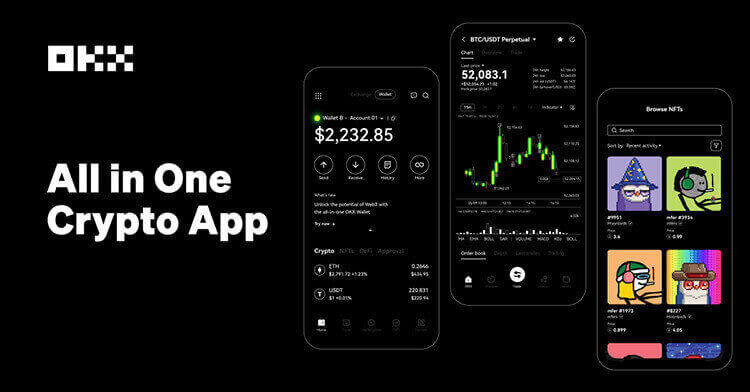
Crypto exchange sub-accounts are becoming a practical risk-control tool, not just an account-management convenience. OKX says a sub-account is a secondary account connected to the main account and can be used to diversify strategies and reduce risks across spot, margin and contract activity. Kraken’s API education similarly frames subaccounts and API keys as two different layers of separation for systematic traders.
The first use case is strategy isolation. A trader can keep long-term spot holdings in the main account, run a grid or bot in one sub-account, and test a futures strategy in another. If one strategy misfires, the loss does not automatically consume the entire operating balance. This does not remove market risk, but it makes the risk boundary easier to see.
The second use case is permission control. API keys should be scoped to the smallest required permission set, and withdrawals should stay disabled wherever possible. Sub-accounts can make this cleaner because a third-party tool or bot only sees the funds assigned to that environment. Traders should still review exchange-specific limits, eligibility rules, fee tiers and transfer restrictions before relying on the setup.
Sources: OKX explanation of sub-accounts; Kraken on subaccounts and API keys; Binance Academy sub-account guide.
Risk notice: Sub-accounts reduce operational spillover but cannot prevent market losses, liquidation, API misuse or exchange-level risk. This article is platform education, not investment advice.
原创文章,作者:financial transaction,如若转载,请注明出处:https://www.fanbi.net/archives/1997