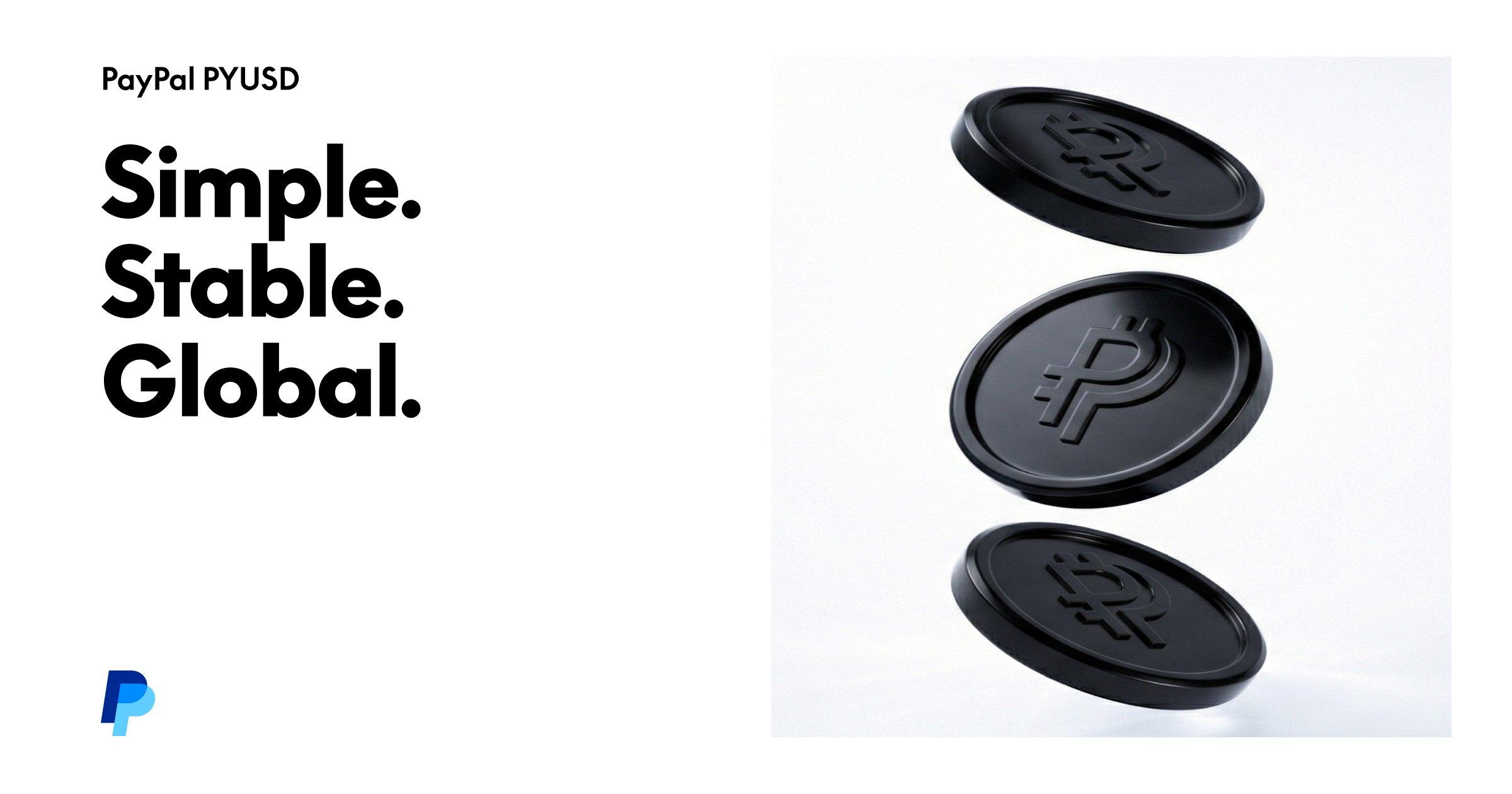
PayPal’s PYUSD expansion onto Polygon matters because it is aimed at payment routing, merchant settlement and regulated dollar access rather than a short-term token narrative. The Block reported on July 9 that PYUSD is being issued natively on Polygon and tied into Polygon’s Open Money Stack, while Polygon’s own materials frame OMS as a single API connecting fiat access, wallets, orchestration and on-chain settlement.
For traders, the useful read-through is not that every stablecoin announcement should lift related tokens. The important questions are whether issuance becomes easier to redeem, whether on-chain liquidity is deep enough for real payment flows, and whether integrations lower operational friction for businesses that need stable dollar settlement.
PYUSD still competes against far larger stablecoins such as USDT and USDC, so the market signal should be measured. A payment-focused expansion can improve distribution, but trading pairs, exchange support, redemption confidence and wallet coverage will decide whether usage translates into durable liquidity.
A practical checklist is simple: verify where the stablecoin is natively issued, confirm whether bridges are involved, compare exchange order-book depth, watch redemption and reserve disclosures, and avoid using thin liquidity pools as if they were bank deposits.
Sources: The Block; Polygon Open Money Stack; PayPal PYUSD.
Risk notice: Stablecoins can carry issuer, reserve, regulatory, smart-contract, bridge and liquidity risks. This article is educational and is not investment advice.
原创文章,作者:financial transaction,如若转载,请注明出处:https://www.fanbi.net/archives/1891